
How Long Do Veneers Last? | LYGOS DENTAL
How Long Do Veneers Last?
Most veneers last for years, not months. Porcelain veneers typically hold up for about 10–15 years, while composite veneers usually last around 5–7 years. Good bonding, daily brushing and flossing, a bite that isn’t overly heavy, and regular dental visits can extend those averages.
Table of Contents
What Veneers Are And Why People Choose Them
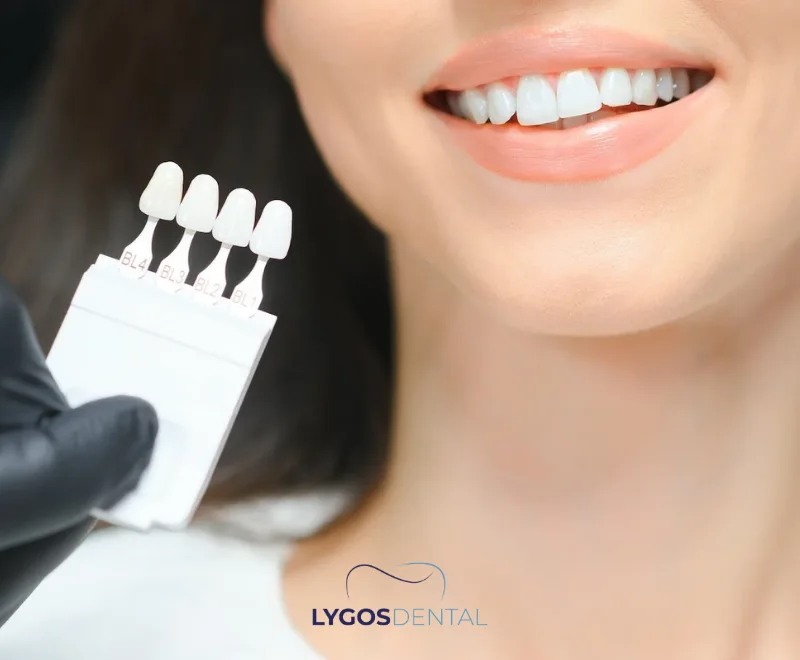
A veneer is a thin facing bonded to the front of a tooth to improve its color, shape, size, or overall symmetry. Dentists most often use porcelain (ceramic) or composite resin to create veneers, depending on the look you want and how long you expect the result to last.
Veneers are commonly chosen for cosmetic concerns such as stains that don’t respond well to whitening, small chips, gaps, mild crowding, or uneven tooth edges. In some cases, they can also help protect a worn or slightly fractured tooth surface.
- Aesthetic benefits: A brighter, more even-looking smile with natural light reflection.
- Functional benefits: A protective covering for minor chips, cracks, or worn enamel.
- Time to results: A faster cosmetic option than orthodontics for certain mild alignment concerns.
Average Lifespan Of Veneers
Veneer longevity varies based on the material, the quality of the fit and bonding, and day-to-day habits like diet and teeth grinding. The ranges below reflect typical expectations rather than a guarantee.
| Veneer Type | Typical Lifespan | Notes |
| Porcelain (Ceramic) | 10–15 years | Strong, stain-resistant, and highly lifelike. |
| Composite (Resin) | 5–7 years | More affordable and quick to apply, but wears and stains more easily. |
Some people keep well-made porcelain veneers for longer than 15 years, especially when bite forces are controlled and routine dental care is consistent. If you grind or clench your teeth, using a night guard can make a major difference.
Porcelain Vs Composite Veneers: What Lasts Longer?
Porcelain Veneers
Porcelain veneers are typically the most durable option. The material resists staining from coffee, tea, and many foods, and it keeps its surface gloss well. When the margins are clean and gums stay healthy, porcelain veneers can maintain a natural look for many years.
Composite Veneers
Composite veneers are made from tooth-colored resin, often sculpted directly on the tooth. They’re usually less expensive and can often be completed faster, but the surface can pick up stains and wear down sooner. The upside is that small chips can sometimes be repaired without replacing the entire veneer.
What Affects Veneer Lifespan?

Veneers don’t fail for one single reason. Durability is usually a mix of how the veneer was designed and bonded, your bite forces, and how well the teeth and gums are cared for over time.
- Fit and bonding quality: Precise shaping, clean margins, and strong adhesive bonding reduce the risk of debonding.
- Oral hygiene: Brushing twice daily and flossing helps prevent decay at the veneer edges and gum inflammation.
- Bite forces and bruxism: Grinding or clenching can chip veneers or stress the bonding; a night guard helps.
- Diet choices: Frequent hard foods (ice, nuts, hard candies) and acidic drinks can shorten lifespan.
- Smoking and frequent staining drinks: Porcelain resists stains, but composite and bonding edges can discolor.
- Regular dental visits: Professional cleanings and early repairs can prevent small issues from becoming replacements.
Habits That Shorten Veneer Lifespan
- Biting hard objects such as pens, nails, or ice.
- Using your teeth to open packaging or tear tape.
- Skipping a night guard if you grind or clench at night.
- Using abrasive whitening toothpaste that can dull composite resin.
- Letting small chips or rough edges go unchecked for months
Signs A Veneer May Need Repair Or Replacement
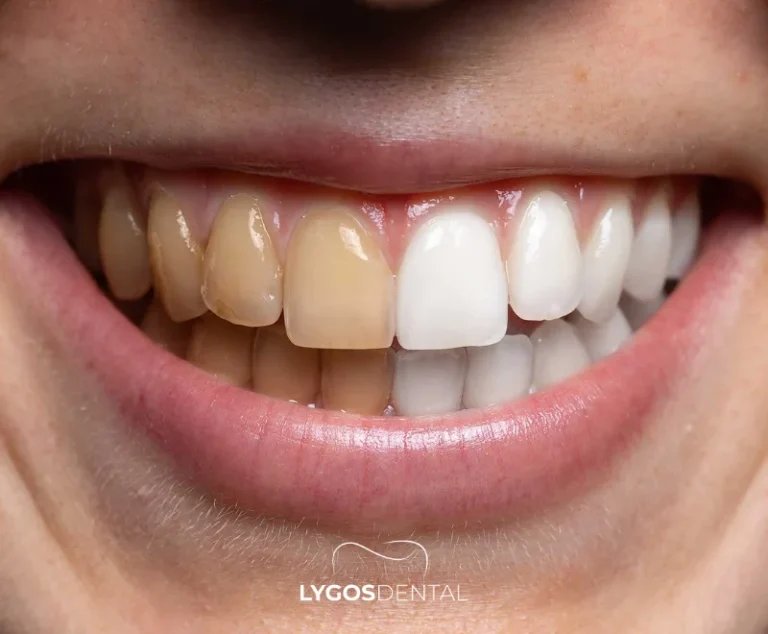
A veneer doesn’t have to fall off to be due for attention. If you notice any of the signs below, a dentist can check whether a polish, repair, rebonding, or replacement is the best option.
- Visible cracks, chips, or rough edges.
- A change in color, especially a dark line near the gumline.
- Looseness, movement, or a “high” feeling when you bite down.
- Gum recession that exposes the veneer margin or changes the look of the smile.
- New sensitivity or discomfort when chewing.
How To Make Veneers Last Longer
- Brush with a soft-bristled toothbrush and a non-abrasive fluoride toothpaste.
- Floss daily and consider interdental brushes if you have wider spaces.
- Wear a night guard if you grind or clench.
- Choose bite-friendly foods and cut very hard items into smaller pieces.
- Keep up with routine cleanings so your dentist can monitor the edges and your gums.
Request An Appointment
If you’re considering veneers or you have existing veneers that feel different, a clinical exam is the fastest way to get a realistic estimate of lifespan and next steps. You can use the form below to ask about cosmetic dentistry, dental crowns, implants, or general dentistry services.
FAQ
What are the disadvantages of veneers?
Irreversible enamel removal, possible sensitivity, chipping, gum irritation, color mismatch, and replacement costs.
What happens to veneers after 10 years?
Many remain intact; some chip, debond, or show margin staining and need replacement.
What is the 4-8-10 rule for veneers?
It means placing 4, 8, or 10 upper veneers depending on smile display.
How much do veneers typically cost?
Typically $900–$2,500 per tooth for porcelain veneers, excluding exams and add-on treatments.
What should I know before getting veneers?
Expect irreversible enamel reduction, maintenance, possible sensitivity, and future replacements; address grinding first.