
How Long Does Pain Last After a Filling?
How Long Does Pain Last After a Filling?
Most people feel mild soreness or temperature sensitivity after a dental filling for a few hours up to 1–3 days. Deeper fillings can stay tender for a couple of weeks as the tooth settles. Pain that worsens, lasts beyond two weeks, or comes with swelling, fever, or a bad taste needs a dental check.
Dental fillings repair cavities and strengthen a tooth, but it’s normal to feel a bit “off” afterward—especially when eating or drinking something hot or cold. The key is whether the discomfort is improving each day. Below is what to expect, why it happens, and how to get relief.
Is Pain After a Filling Normal?
Yes. A filling can irritate the tooth for a short period because the dentist has cleaned decay, dried the tooth, and placed restorative material. It’s common to notice temporary sensitivity to cold, heat, sweets, or biting pressure. This tends to fade as the tooth and surrounding tissues calm down.
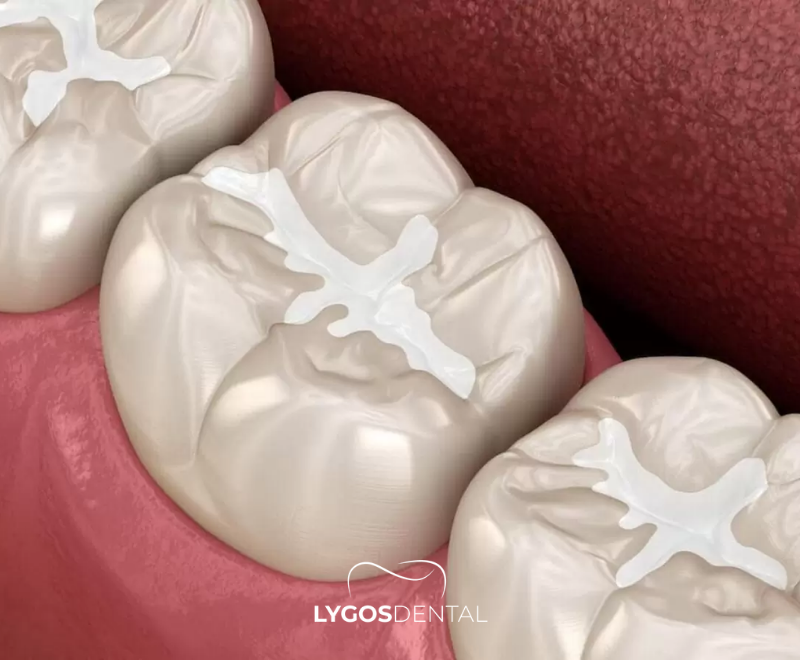
Table of Contents
How Long Does Pain Last After a Filling?
Timelines vary based on how deep the cavity was, which tooth was treated, and whether your bite feels balanced. These ranges are typical:
- Mild sensitivity or aching: often improves within 24–72 hours.
- Deep fillings (close to the nerve): can stay tender for 1–2 weeks and should gradually feel better.
- Pain that persists or gets worse: discomfort beyond two weeks, or pain that intensifies day by day, deserves a dental evaluation.
What Causes Pain After a Filling?
When pain lasts longer than expected, the cause is often mechanical (how the filling meets your bite) or nerve-related. Common reasons include:
- Filling too high: A slightly “tall” filling can create extra pressure when you chew, leading to sharp pain or jaw soreness.
- Irritation close to the nerve: If decay was deep, the nerve can stay inflamed for a while, causing lingering temperature sensitivity.
- Material sensitivity: Some people are more sensitive to certain filling materials, which can trigger short-term discomfort.
- Cracks or micro-leaks: If the tooth has tiny cracks or the seal isn’t perfect, the tooth may remain sensitive.
- New decay under the filling: Less common early on, but a poor seal can allow bacteria to create recurrent decay over time.
How To Relieve Pain After a Filling
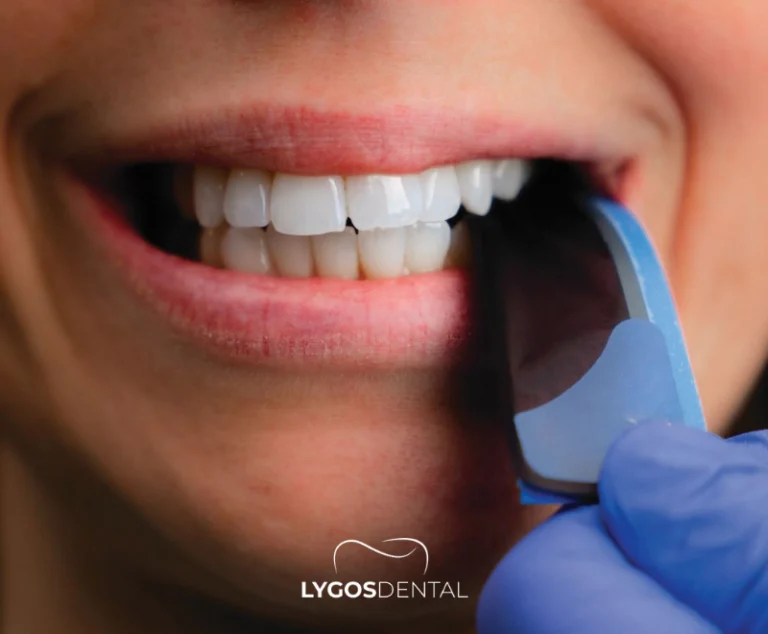
For most people, simple steps are enough while the tooth settles:
- Use OTC pain relief if appropriate: Ibuprofen or acetaminophen can help. Follow the label directions and any advice from your dentist or pharmacist.
- Avoid extreme temperatures: Choose lukewarm foods and drinks for a day or two if cold or hot triggers sensitivity.
- Chew on the other side: Give the filled tooth a short break from hard or sticky foods.
- Try a sensitive toothpaste: A fluoride or desensitizing toothpaste can reduce sensitivity with regular use.
- Get your bite checked: If chewing feels “off,” call your dentist. A quick bite adjustment often solves the problem fast.
Home Remedies For Pain After a Filling
Home care can ease mild irritation, but it shouldn’t replace professional help when symptoms are severe or worsening:
- Warm saltwater rinse: Swish gently for 20–30 seconds to soothe tender gums and keep the area clean.
- Cold compress on the cheek: Apply for 10 minutes at a time to reduce soreness.
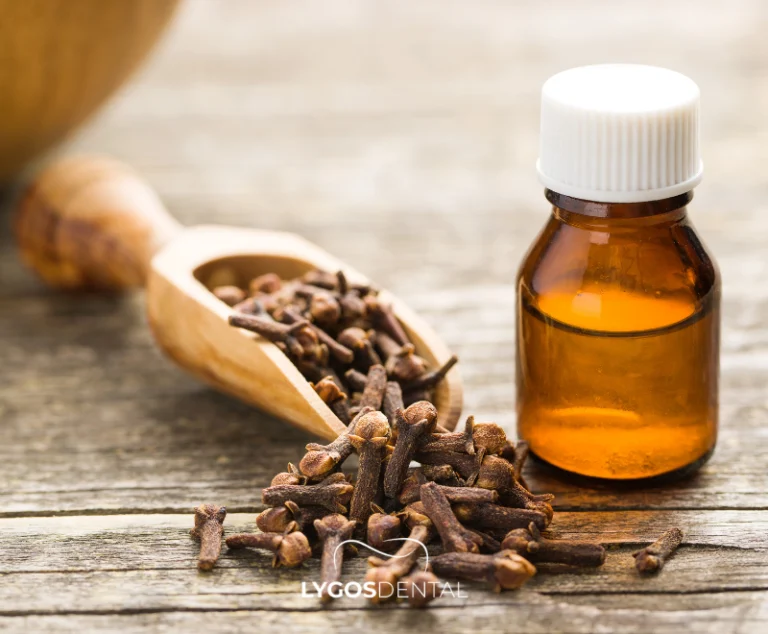
- Clove oil (use carefully): If you use it, dilute it and apply a small amount to the tooth area—not the gums. Stop if it irritates your mouth.
- Soft foods for 24 hours: Soups, yogurt, eggs, and pasta can reduce pressure on the tooth.
When Pain After a Filling Needs A Dentist
Call your dentist if you notice any of the following, especially if symptoms are not improving:
- Severe, throbbing, or worsening pain that doesn’t respond to over-the-counter medication.
- Pain when biting that feels sharp or “electric,” which may suggest a bite issue or deeper tooth irritation.
- Swelling, pus, a bad taste, or a pimple-like bump on the gum (possible infection).
- Fever, facial swelling, or trouble swallowing—seek urgent care.
- Sensitivity that stays intense for more than two weeks.
If you’re unsure, it’s better to get the tooth checked. A quick exam can confirm whether the filling simply needs time, needs a bite adjustment, or requires further treatment.
Frequently Asked Questions
How long should my tooth hurt after a filling?
Mild sensitivity should improve within 1–2 weeks; persistent or worsening pain needs dentist review.
What are the signs of a failed filling?
Persistent pain, new sensitivity, visible gaps/cracks, loose filling, food trapping, or bad taste.
What is the 3-3-3 rule for toothache?
It’s a popular mnemonic: 600 mg ibuprofen three times daily for up to three days.
How do I relieve tooth pain after a filling?
Use ibuprofen/acetaminophen if safe, avoid chewing there, and use cold compresses.
Why is my toothache getting worse after a filling?
Worsening pain suggests high bite, nerve inflammation, crack, or infection—see your dentist promptly.
Why does my filling only hurt at night?
Night pain often worsens lying down or grinding, increasing pressure on an inflamed nerve.