
How to Clean Tongue Coating?
How to Clean Tongue Coating?
Tongue coating is a layer of bacteria, dead cells, and debris trapped between the tongue’s tiny bumps. To clean it, brush or gently scrape from the back of your tongue toward the tip once a day, then rinse well. Stay hydrated and address dry mouth or smoking. If it lasts more than a few weeks or hurts, get checked.
What Tongue Coating Is
Tongue coating (sometimes called a “white tongue” or “coated tongue”) is a visible layer that can look white, yellow, or light brown. It forms when bacteria, dead cells, and food particles build up on the tongue’s surface, especially toward the back. It’s common and often improves with routine oral hygiene.
Why Tongue Coating Forms
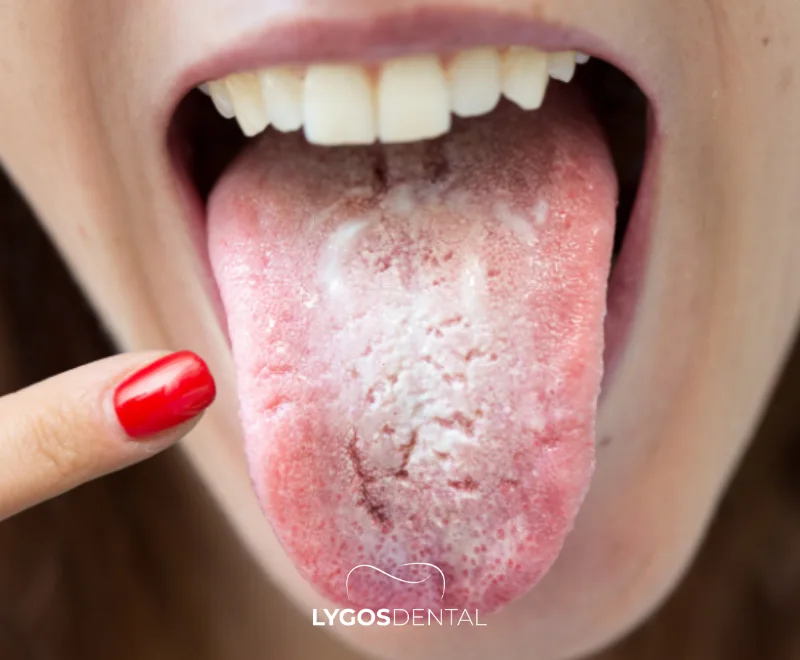
The tongue has papillae—small bumps that can trap debris. When saliva flow is low or cleaning is inconsistent, that debris sticks around and thickens into a coating. Lifestyle factors and certain health issues can also play a role.
- Not cleaning the tongue regularly as part of oral hygiene
- Dry mouth (dehydration, mouth breathing, some medications, or reduced saliva)
- Smoking or tobacco use
- Alcohol use, which can worsen dryness
- Irritation from very hot foods or a recent illness
- Oral thrush (a yeast infection) and other infections in some cases
- Digestive symptoms such as reflux may be associated for some people
Common Symptoms
- A white, yellow, or brown film on the tongue
- Bad breath (halitosis)
- A fuzzy or rough tongue texture
- A lingering unpleasant taste or reduced taste
- Dry mouth, especially on waking
Why It Matters
A mild coating is usually harmless, but it can contribute to bad breath and make your mouth feel less fresh. A persistent, painful, or worsening coating can sometimes point to an underlying issue such as dry mouth, infection, or irritation that needs targeted treatment.
Natural Ways To Remove Tongue Coating

1) Use A Tongue Scraper Or Soft Brush
Mechanical cleaning is the most direct method. A tongue scraper is designed to lift buildup efficiently, but a soft toothbrush works well for many people too.
- Brush your teeth first, then stick out your tongue.
- Place the scraper (or brush) gently toward the back of the tongue, without forcing it.
- Pull forward toward the tip with light pressure. Repeat 3–5 passes.
- Rinse the scraper/brush between passes, then rinse your mouth with water.
- Clean the tool with soap and water and let it dry.
2) Rinse With Salt Water
A warm salt-water rinse can help reduce bacteria and loosen debris. Mix about ½ teaspoon of salt in a cup of warm water, swish for 20–30 seconds, then spit. Use once daily if it feels helpful.
3) Baking Soda A Few Times Per Week
Baking soda can help neutralize acids and reduce odor-causing compounds. You can choose a toothpaste that contains baking soda, or make a thin paste with water and gently brush the tongue 2–3 times per week. If your tongue feels irritated, stop and switch back to water only.
4) Support A Healthier Oral Environment
- Drink enough water through the day to support saliva production.
- If you wake up with a coated tongue, try managing dry mouth (humidifier at night, nasal breathing, sugar-free gum).
- Consider yogurt with live cultures if you tolerate dairy, as part of a balanced diet.
- Cut back on smoking or tobacco, which commonly worsens tongue coating.
Tips For Safe Tongue Cleaning

- Be gentle. Scraping too hard can irritate the tongue and make the problem worse.
- Clean once per day for most people. More isn’t always better.
- Avoid sharp-edged tools or aggressive brushing, especially if you have sores or a sensitive gag reflex.
- Rinse your mouth afterward to wash away loosened debris.
- Keep up the basics: brush twice daily, floss, and replace toothbrush heads regularly.
When To See A Dentist Or Doctor
Book a checkup if the coating doesn’t improve with good hygiene, if it lasts longer than a few weeks, or if you have pain. Seek prompt care for symptoms such as sores that don’t heal, bleeding, fever, trouble swallowing, or swelling that affects breathing.
Frequently Asked Questions
Why Is Tongue Coating More Noticeable In The Morning?
Saliva flow drops while you sleep, and the mouth can dry out. With less saliva to wash away bacteria and debris, a coating may be more visible when you wake up.
Is Tongue Coating Only Caused By Poor Oral Hygiene?
No. Oral hygiene is a common factor, but dry mouth, smoking, recent illness, irritation, and infections like oral thrush can also contribute. That’s why persistent or painful changes are worth checking.
What Happens If You Don’t Clean Tongue Coating?
Many cases stay mild, but the buildup can worsen bad breath and taste changes. If an underlying issue is driving it, ignoring it may delay the right treatment.
What Products Work Best?
A tongue scraper or a soft toothbrush is usually enough. If you use mouthwash, choose alcohol-free options if you’re prone to dryness. For suspected infections, a clinician may recommend specific treatment.