
How to Close Gaps Between Teeth (Diastema)?
How To Get Rid Of Bad Breath
Bad breath is most often caused by bacteria on teeth, gums, and the tongue. Brush and floss daily, clean your tongue, stay hydrated, and treat dry mouth. If odor persists for more than a couple of weeks or comes with bleeding gums, reflux, or sinus symptoms, book a dental or medical check-up to find the root cause.
What Causes Bad Breath

Halitosis usually starts in the mouth, but it can also be linked to the nose, throat, or digestive system. Common triggers include:
- Poor oral hygiene: Plaque, trapped food particles, and an unclean tongue allow odor-producing bacteria to build up.
- Dry mouth (xerostomia): Low saliva makes it easier for bacteria and sulfur compounds to linger.
- Gum disease and cavities: Inflamed gums, tartar, and untreated decay can create a persistent odor.
- Tonsil stones, sinusitis, or postnasal drip: Mucus and debris can feed bacteria and cause a strong smell.
- Smoking and alcohol: Both dry the mouth and leave odor-causing residues.
- Diet and fasting: Garlic/onions, low-carb diets, and long gaps between meals can change breath chemistry.
- Reflux: Stomach acid or regurgitation can contribute to unpleasant breath in some people.
Fast Ways To Improve Breath Today
If you need a same-day reset, these steps help most people:
- Brush for two minutes, then floss (or use interdental brushes) to remove trapped debris.
- Clean your tongue from back to front with a tongue scraper or the bristles of your toothbrush.
- Drink water and rinse your mouth; repeat if you’ve had coffee, alcohol, or a dry-mouth spell.
- Chew sugar-free gum (xylitol is a good option) to stimulate saliva.
- Use an alcohol-free, antibacterial mouthwash as a short-term boost.
Daily Oral Care Routine That Prevents Bad Breath
Consistency matters more than any single product. Aim for:
- Brush twice daily: Focus on the gumline and the back molars; brush before bed without rushing.
- Floss once daily: Odor often comes from between teeth where a toothbrush can’t reach.
- Clean your tongue daily: Most odor-causing compounds come from the tongue’s surface.
- Hydrate and manage dry mouth: Sip water, limit alcohol, and ask your dentist about dry-mouth sprays or lozenges if needed.
- See a dentist regularly: Professional cleanings and early treatment of gum disease make a noticeable difference.
Home Remedies That Are Worth Trying
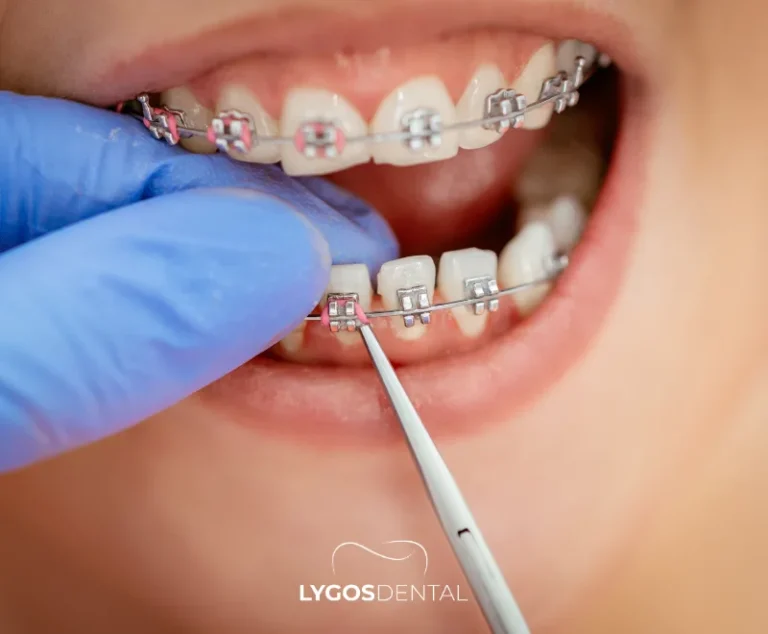
Home remedies can help as add-ons, but they won’t replace brushing, flossing, and dental care.
- Saltwater rinse: A gentle rinse can freshen the mouth and soothe irritated gums.
- Baking soda rinse: May neutralize acids and reduce odor; avoid overuse if it irritates your mouth.
- Parsley or mint: Useful for short-term freshness, especially after meals.
- Green tea: Supports oral hygiene and can reduce sulfur-like odors for some people.
- Plain yogurt or other probiotic foods: May help if digestive imbalance is contributing to odor.
Foods That Help And Foods That Make It Worse
Breath changes with what you eat and how often you eat.
Breath-Friendly Foods
- Crunchy fruits and vegetables (apples, carrots, cucumbers) to stimulate saliva and reduce plaque.
- Plain yogurt and fermented foods for probiotics.
- Water, especially between meals and after coffee.
Common Triggers
- Garlic, onions, and heavily spiced meals (odor can persist for hours).
- Sugary snacks and frequent sipping of sweet drinks (feeds bacteria).
- Alcohol and tobacco (drying effect and residue).
- Very low-carb diets or prolonged fasting (can lead to ketone-related breath).
When Bad Breath Signals A Health Issue

If you’re doing the basics well and the odor doesn’t improve, it’s worth looking beyond brushing. Possible contributors include ongoing sinus infection/postnasal drip, untreated gum disease, reflux, or poorly controlled diabetes. Serious causes are uncommon, but persistent halitosis should be checked rather than ignored.
When To See A Dentist Or Doctor
Book an appointment if you notice any of the following:
- Bad breath that lasts more than 2–3 weeks despite good oral care.
- Bleeding gums, gum swelling, loose teeth, or tooth pain.
- A coated tongue that returns quickly, or a persistent bad taste.
- Frequent heartburn, sour taste, or regurgitation.
- Ongoing congestion, facial pressure, or postnasal drip.
- Unexplained weight loss, fever, or other systemic symptoms.
Frequently Asked Questions
Is morning breath normal?
Yes. Saliva drops during sleep, so odor often increases overnight. Brushing, flossing, and tongue cleaning in the morning usually resolves it.
What’s the best natural option?
A tongue scraper plus hydration is often the most effective “natural” approach. Herbs like parsley can help short term, but they don’t remove the underlying bacterial film.
Does mouthwash cure bad breath?
Mouthwash can reduce odor temporarily, but it won’t fix cavities, gum disease, or dry mouth. Choose alcohol-free formulas if dryness is a problem.
Can stomach problems cause bad breath?
Sometimes. Reflux can contribute to odor, but most cases start in the mouth. If you have frequent heartburn or regurgitation, speak to a clinician.