
How To Fix Bad Breath Permanently
How To Fix Bad Breath Permanently
Bad breath usually comes from bacteria in the mouth, a coated tongue, dry mouth, diet, or gum disease. For lasting results, brush twice daily with fluoride toothpaste, clean your tongue, clean between teeth every day, drink water regularly, and get routine dental checkups. If odor continues after improving habits, ask a dentist or doctor to look for an underlying cause.

Table of Contents
Why Bad Breath Happens
Most persistent bad breath is linked to oral bacteria. These bacteria break down food particles and proteins, releasing odor-causing compounds. The good news is that the cause is often identifiable—and fixable—once you know where to look.
- Poor oral hygiene: Plaque and trapped food feed bacteria, especially between teeth and along the gumline.
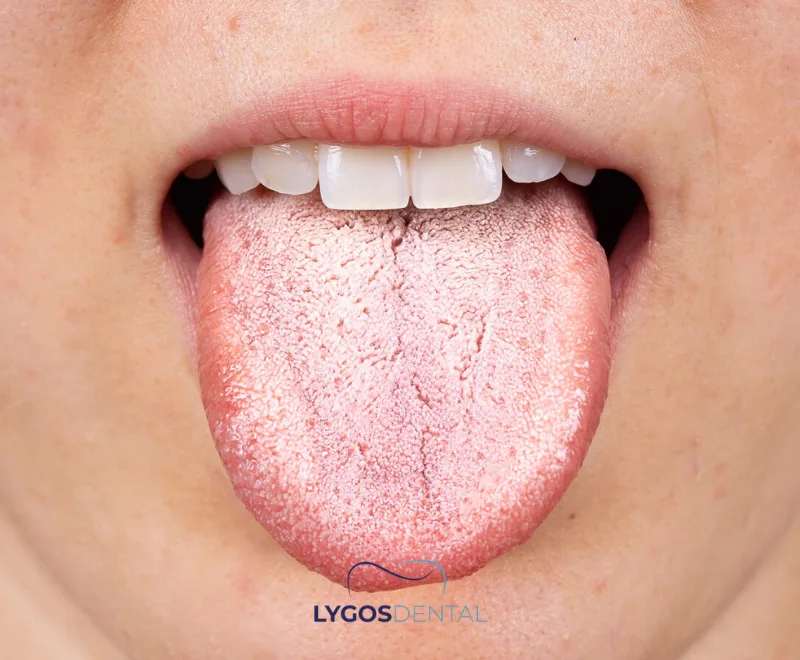
- A coated tongue: The tongue’s surface can hold bacteria and debris, creating a strong odor even when teeth look clean.
- Dry mouth (xerostomia): Saliva helps wash away bacteria. Dehydration, mouth breathing, and some medicines can reduce saliva.
- Diet: Garlic, onions, sugary snacks, and high-protein or very low-carb eating patterns can affect breath.
- Smoking and tobacco: Tobacco dries the mouth, irritates gums, and leaves a lingering smell.
- Gum disease or tooth decay: Infection and deep gum pockets can produce ongoing odor.
- Medical causes: Sinus issues, reflux, and uncontrolled diabetes are examples that may need medical care.
How To Tell If You Have Bad Breath
It’s hard to judge your own breath because you quickly get used to smells. These quick checks can help you confirm whether halitosis is an issue.
- Ask someone you trust: A straightforward check is often the most accurate.
- Wrist test: Lick the back of your wrist, let it dry, then smell it.
- Look at your tongue: A thick white or yellow coating can be a clue that bacteria are building up.
- Smell your floss: After cleaning between your teeth, sniff the floss to see if odor is coming from trapped debris.
- Notice dryness: If breath worsens after long periods without water (or after waking), dry mouth may be involved.

Daily Routine That Keeps Breath Fresh
Consistency matters more than special products. Build a routine that reduces bacteria, boosts saliva, and addresses the spots a toothbrush can miss.
Morning
- Brush for two minutes: Use fluoride toothpaste and angle the brush toward the gumline.
- Clean your tongue: Use a tongue scraper or a soft brush to remove coating from back to front.
- Rinse if needed: An alcohol-free mouthwash can help short-term, but it doesn’t replace brushing and flossing.
After Meals
- Drink water: A few sips help wash away food and keep saliva flowing.
- Chew sugar-free gum: It can stimulate saliva when brushing isn’t possible.
- Be careful with “quick fixes”: Mints mask odor, but they don’t remove the source.
Night
- Clean between teeth daily: Floss or use interdental brushes to remove plaque where odor often starts.
- Brush again before bed: Nighttime dryness makes bacteria more active, so bedtime cleaning is key.
- Keep dental appliances clean: If you wear retainers, aligners, or dentures, clean them as directed and let them dry overnight.
Two extra habits help long-term: replace your toothbrush every 3–4 months (or sooner if bristles flare), and keep up with routine dental cleanings.
Foods That Help With Fresh Breath
Food can’t replace oral hygiene, but certain choices support saliva and reduce odor-causing bacteria.
- Crunchy fruits and vegetables: Apples, carrots, and celery increase saliva and help remove debris.
- Plain yogurt: Some evidence suggests it can lower odor compounds for some people.
- Green tea: Contains compounds that may reduce odor-causing bacteria.
- Fresh herbs: Parsley and mint can freshen breath, especially after meals.
- Water: The simplest way to reduce dry mouth-related odor.
Foods And Habits That Make Breath Worse
If you’re working on long-term improvement, watch for common triggers and patterns—especially on days when breath seems worse than usual.
- Onions and garlic: Their sulfur compounds can linger for hours.
- Sugary snacks and drinks: Sugar feeds bacteria and can increase plaque buildup.
- Coffee and alcohol: Both can dry the mouth, which makes odor worse.
- Smoking or vaping: Leaves odor behind and increases gum disease risk.
- Skipping meals: A dry mouth and “empty stomach” breath can build up when you don’t eat or drink regularly.
When To See A Dentist Or Doctor
If you’ve improved your routine for a couple of weeks and breath still doesn’t improve, get checked. A dentist can rule out gum disease, cavities, dry mouth, and appliance-related issues. If your mouth is healthy, you may be referred to a medical provider for other causes.
- Bleeding gums, gum swelling, or loose teeth: These can point to gum disease and need dental treatment.
- Ongoing dry mouth: A dentist or doctor can review medicines and suggest saliva-supporting options.
- Sinus symptoms or chronic post-nasal drip: Respiratory infections and sinus problems can affect breath.
- Frequent heartburn: Reflux can contribute to persistent odor.
- A fruity, sweet breath smell with other symptoms: This can be linked to poorly controlled diabetes and needs urgent medical advice.
Book An Appointment
If you suspect gum disease, tooth decay, or dry mouth, a dental exam is the fastest way to find the cause and build a plan that works. Contact your dental clinic to schedule a checkup or cleaning, especially if your breath problem has lasted more than a few weeks.
How To Fix Bad Breath Permanently: Frequently Asked Questions
Is it possible to completely get rid of bad breath?
Yes, if underlying cause is diagnosed and treated and oral hygiene maintained.
How do I clean my gut for bad breath?
You can’t “clean” your gut; treat reflux, constipation, and diet issues medically.
Why does my breath stink even after brushing?
Because tongue coating, gum disease, dry mouth, decay, sinus issues, or reflux persist.
What drink kills bad breath?
Water reduces odors by washing debris; unsweetened green tea may temporarily neutralize odors.
What drink kills mouth bacteria?
No drink safely kills mouth bacteria; antiseptic mouthwash reduces them, but don’t swallow.
How to detox your body from bad breath?
Detox isn’t needed; eliminate bad breath by treating causes like dental disease or reflux.
Why does my breath stink so badly?
Severe halitosis often signals gum disease, infection, dry mouth, or medical illness—seek evaluation.