
How to Prevent Gum Recession in Smokers
How To Prevent Gum Recession In Smokers
Gum recession in smokers often develops quietly because smoking reduces blood flow and can hide bleeding. Prevention focuses on gentle brushing, daily interdental cleaning, professional cleanings, and early gum checks. Quitting tobacco is the biggest step: it improves healing and lowers ongoing risk, even if already-receded gums do not grow back.
Table of Contents
Why Smoking Raises The Risk Of Gum Recession
Smoking affects the gums in a few connected ways. Nicotine constricts blood vessels, so less oxygen and fewer nutrients reach gum tissue. That slows repair and makes the gums more vulnerable to ongoing irritation.
Tobacco also changes the mouth’s bacterial balance and weakens immune response. As a result, plaque hardens into tartar more easily, infections become harder to control, and gum disease is more likely to progress.
Many smokers also bleed less during brushing because of reduced circulation. That can mask inflammation and delay diagnosis, which is one reason recession may be noticed late.
Common Causes Of Gum Recession In Smokers
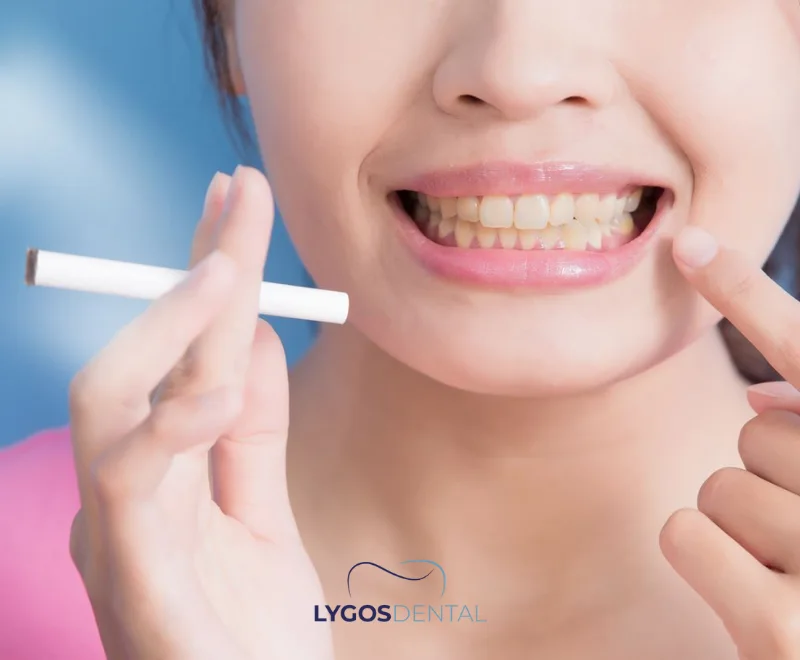
- Plaque and tartar buildup along the gumline (often worse with dry mouth).
- Gum disease (gingivitis and periodontitis) that progresses faster and responds less predictably to treatment.
- Aggressive brushing or a hard-bristled toothbrush, which can wear down the gum margin.
- Grinding or clenching, which can increase stress on the supporting tissues.
- Poorly fitting dental work or bite issues that trap plaque or irritate the gums.
Early Signs You Shouldn’t Ignore
Recession is usually gradual. If you smoke, it’s worth checking your gums regularly in good light.
- Tooth sensitivity to cold, hot, or sweet foods.
- Teeth looking “longer” or roots becoming visible.
- Notches near the gumline or a change in the way the gums hug the tooth.
- Food getting stuck more often between teeth.
- Persistent bad breath or a bad taste that returns quickly after brushing.
- Bleeding, swelling, or tenderness—even if it’s mild or occasional.
A Daily Routine That Protects Your Gums
Brush Gently, Twice A Day
Use a soft-bristled toothbrush and small circular motions at the gumline. Aim for two minutes. Hard scrubbing can make recession worse, especially if the gums are already inflamed.
Clean Between Teeth Every Day
Floss, interdental brushes, or a water flosser can remove plaque where brushes miss. Choose the option you can do consistently; technique matters more than the tool.
Use Mouthwash With A Purpose
An antiseptic mouthwash can reduce bacterial load, while fluoride rinses support enamel. If you have dry mouth, look for alcohol-free options and ask your dentist what fits your situation.
Don’t Skip Tongue Cleaning
A tongue scraper or brushing the tongue can reduce odor-causing bacteria and help overall oral hygiene.
Professional Care That Makes The Biggest Difference

Home care is essential, but it can’t remove tartar once it hardens. Regular professional cleanings help keep gum inflammation under control.
If you smoke, many dentists recommend cleanings and gum checks at least every 6 months, and sometimes more often depending on your gum measurements and tartar buildup.
If early gum disease is found, treatment may include deep cleaning (scaling and root planing), targeted antibacterial care, and a review of your brushing technique.
Quitting Smoking: What Improves And What Doesn’t
Stopping tobacco use is the strongest long-term move for gum health. Circulation and immune response improve over time, which supports healing and makes periodontal treatment more effective.
Quitting does not “regrow” gums that have already receded, but it can slow or stop further damage. If recession has created significant sensitivity or exposed roots, your dentist can discuss options such as bonding, grafting, or desensitizing treatments.
Nutrition That Supports Gum Tissue
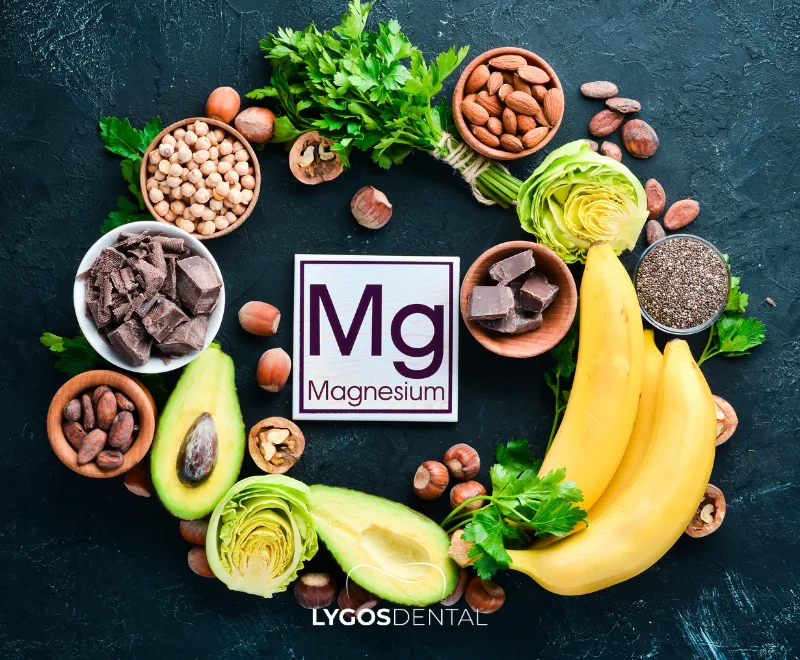
Diet won’t replace dental treatment, but it can support gum repair and immune function—especially if smoking has left the tissues irritated.
- Vitamin C: supports collagen formation in gum tissue.
- Vitamin D and calcium: support bone and tooth structure.
- Zinc: supports healing and immune function.
- Magnesium and vitamin K: support mineral balance and normal tissue repair.
If you’re considering supplements, discuss them with a clinician—especially if you take blood thinners, have kidney disease, or are pregnant.
When To See A Dentist Soon
Book an appointment sooner rather than later if you notice sensitivity, visible root surfaces, loose teeth, pus, persistent swelling, or bad breath that doesn’t improve with better cleaning. Early treatment is usually simpler and more predictable.
FAQ
Do receding gums grow back?
No; receding gums don’t regrow naturally, but grafting can restore gum tissue.
What is the best toothpaste for receding gums?
Use low-abrasive fluoride toothpaste; stannous fluoride may reduce gingival inflammation and sensitivity.
Do gums heal after quitting smoking?
Yes; blood flow improves, inflammation decreases, but recession won’t reverse.
If gums recede, will teeth fall out?
Not inevitably; risk rises if periodontal disease progresses and bone loss occurs.
How can smokers strengthen their gums?
Quit smoking, brush twice daily, floss, get cleanings, and treat gum disease promptly.