
In Which Situations Is a Bone Graft Applied? | LYGOS DENTAL
In Which Situations Is a Bone Graft Applied?
A bone graft is used when existing bone is too thin, damaged, or missing to heal on its own. It can rebuild bone after trauma, prepare the jaw for dental implants, support spinal fusion, or fill defects after tumor removal. The graft type is chosen based on the area treated and the size of the bone defect.
Table of Contents
What Is A Bone Graft?
A bone graft is a biological or synthetic material placed where bone has been lost or damaged. Its job is to act as a scaffold and support new bone growth so the area can regain strength and stability.
Depending on the case, the graft may come from your own body, a screened human donor, an animal source, or a lab‑made substitute that is designed to be compatible with bone tissue.
Why Bone Grafting May Be Needed
Bone does not always heal with full volume and strength after an injury, infection, or long‑term bone loss. When the defect is large or the bone quality is weak, the body may need extra support to rebuild the area.
Bone grafting is often used to restore structural support, improve function, and create a stable foundation for procedures such as implants, fusions, or joint reconstruction.
Common Situations Where Bone Grafts Are Used
Accidents And Trauma
High‑impact injuries can cause fractures, bone gaps, or crushed bone that cannot be repaired with fixation alone. A graft may be used to fill the defect and help the bone heal in the correct shape.
Dental Bone Loss And Implants
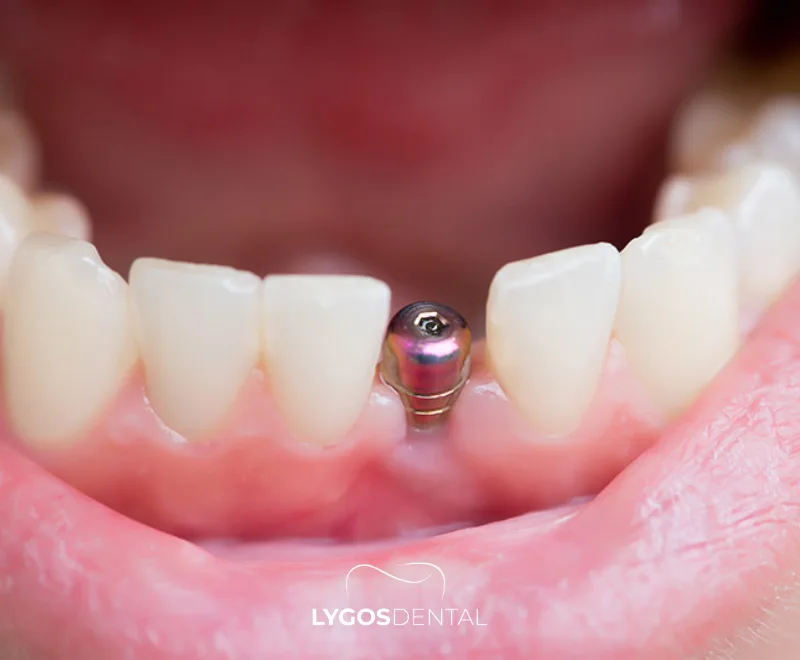
If the jawbone is too thin or too low to support a dental implant, a bone graft can rebuild the site. This is common after long‑term tooth loss, gum disease, or extractions where the bone has resorbed.
- Socket preservation after a tooth extraction
- Ridge augmentation to widen or increase jawbone height
- Sinus lift procedures in the upper jaw when the sinus floor is close to the implant site
Osteoporosis And Reduced Bone Density
In selected cases, surgeons may use grafting to support repairs when bone is fragile and healing is less predictable. The overall plan depends on fracture type, stability, and the person’s general health.
Bone Tumors And Cyst Removal
When a tumor or cyst is removed, it can leave a cavity or defect. Grafting can help restore bone volume and reduce the risk of weakness or collapse in the treated area.
Congenital Bone Conditions
Some people are born with bone deformities or areas where bone did not develop normally. Bone grafting may be used as part of corrective surgery to improve alignment and stability.
Spine Surgery
Bone grafts are commonly used in spinal fusion surgery. The graft helps two or more vertebrae grow together into one stable segment, which can reduce painful motion or correct deformity.
Joint Reconstruction
In complex joint surgery, including some knee and hip procedures, grafts can be used to rebuild areas of bone loss. This may help improve implant fit, stability, and long‑term function.
Types Of Bone Grafts
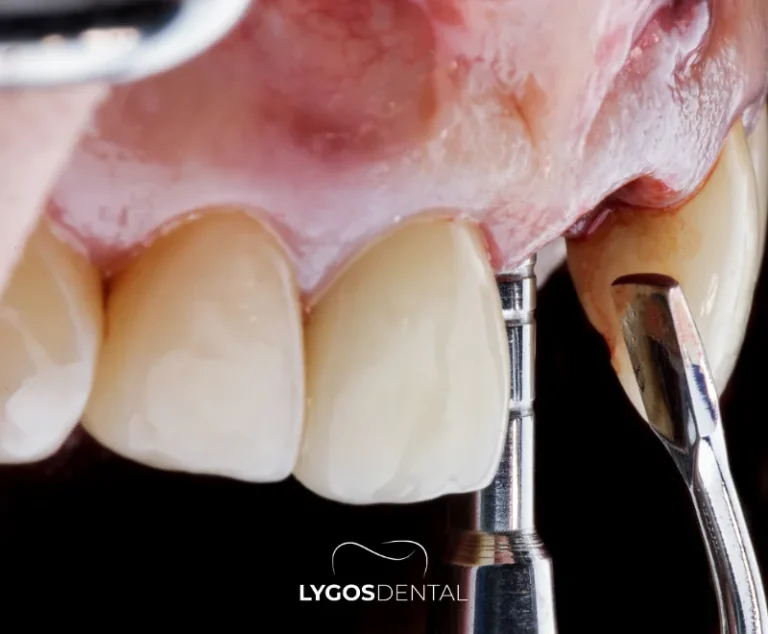
Surgeons choose the graft source based on the location, the amount of bone needed, infection risk, and medical history. Your clinician will also consider whether a second surgical site is appropriate.
Autograft
An autograft uses bone taken from your own body, often from the hip or another nearby site. Because it is your own tissue, it generally integrates well, but it may require an additional incision.
Allograft
An allograft uses processed bone from a human donor (via a tissue bank). It avoids a second surgical site, and it is commonly used in orthopedics, dental grafting, and spinal surgery.
Xenograft
A xenograft is derived from an animal source and is processed so it can serve as a scaffold for new bone growth. It is widely used in dentistry, especially for ridge preservation and sinus lift procedures.
Synthetic And Composite Grafts
Synthetic grafts are lab‑made substitutes designed to be biocompatible. Composite grafts combine natural and synthetic materials and may be used when a larger defect needs more structural support.
What To Expect Before And After Bone Graft Surgery
Before Surgery
Your clinician will evaluate the defect and plan the procedure using imaging such as X‑rays or CT scans. They will review your medical history, medications, allergies, and habits that affect healing, such as smoking.
You should receive clear instructions about eating and drinking, current medications, and how to manage pain afterward. If the graft is for dental work, you may also be advised about oral hygiene and temporary bite changes.
After Surgery
Swelling, tenderness, and mild bleeding are common in the first few days. Most people return to normal daily activities quickly, but heavy exercise may be limited for a short period depending on the site.
Follow‑up visits are used to monitor healing and confirm graft integration. In dental cases, full integration often takes several months before an implant can be placed, but timelines vary by graft size and technique.
Risks And Possible Side Effects
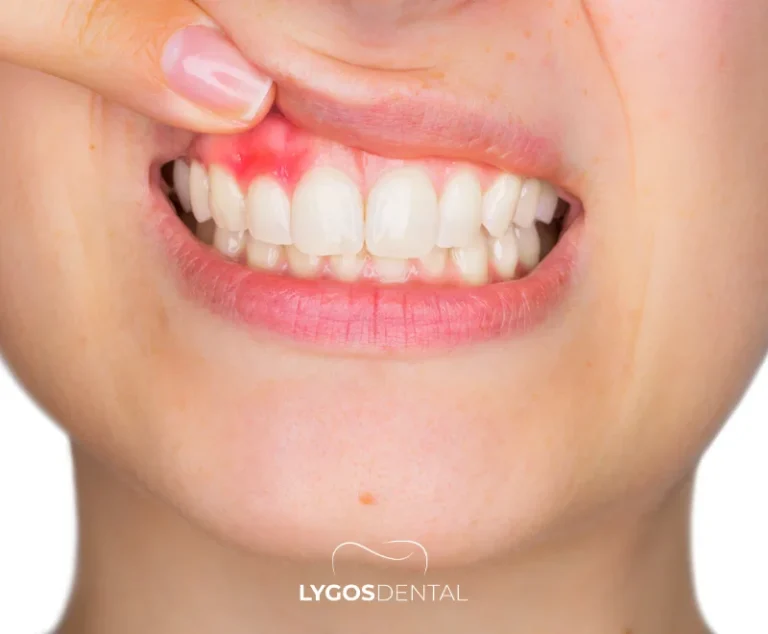
Every surgical procedure carries risks. Your care team aims to reduce these risks with careful planning and sterile technique.
- Infection
- Bleeding, bruising, or swelling
- Pain or temporary numbness near the surgical site
- Delayed healing or graft failure to integrate
- Rarely, fracture or problems related to fixation hardware in orthopedic cases
FAQ
Where are bone grafts usually taken from?
Usually from processed donor bone; sometimes from your jaw, chin, or hip.
Does smoking affect the success of a bone graft?
Yes, smoking increases infection and failure risk and delays healing.
Is a bone graft necessary after a tooth extraction?
Not always; it’s recommended when preserving ridge for future implant or esthetics.
How painful is bone graft healing?
Usually mild to moderate for a few days, controlled with ibuprofen/acetaminophen.
How painful are sinus lifts and bone grafts?
Typically moderate for several days; pressure and swelling are common, severe pain is unusual.