
Is It Possible to Treat Baby Teeth?
Is It Possible to Treat Baby Teeth?
Yes. Cavities and damage in baby teeth can be treated with fillings, small crowns, and pulp therapy (pulpotomy or pulpectomy) when the nerve is affected. Treating baby teeth prevents pain and infection, supports chewing and speech, and helps permanent teeth erupt in the right position.
Baby teeth may be temporary, but they do a full-time job: they help children chew comfortably, speak clearly, and hold space for the adult teeth developing underneath. When a baby tooth has a cavity or injury, treating it early usually means simpler care and less discomfort for your child.
Table of Contents
Why Treating Baby Teeth Matters

Leaving decay untreated can lead to pain, swelling, and infection. Infections in a baby tooth can also affect the nearby gums and, in some cases, the developing permanent tooth.
Early tooth loss may cause neighboring teeth to drift into the empty space. That can make it harder for the permanent tooth to erupt in the right place and may increase the chance of crowding later on.
When Baby Teeth Erupt And Fall Out
Most children get their first baby tooth around 6 months of age, and the full set of 20 baby teeth usually comes in by about age 3.
Baby teeth typically start to loosen around age 6. The transition to adult teeth often continues until around ages 12–13, depending on the child.
Common Signs Of Cavities Or Infection
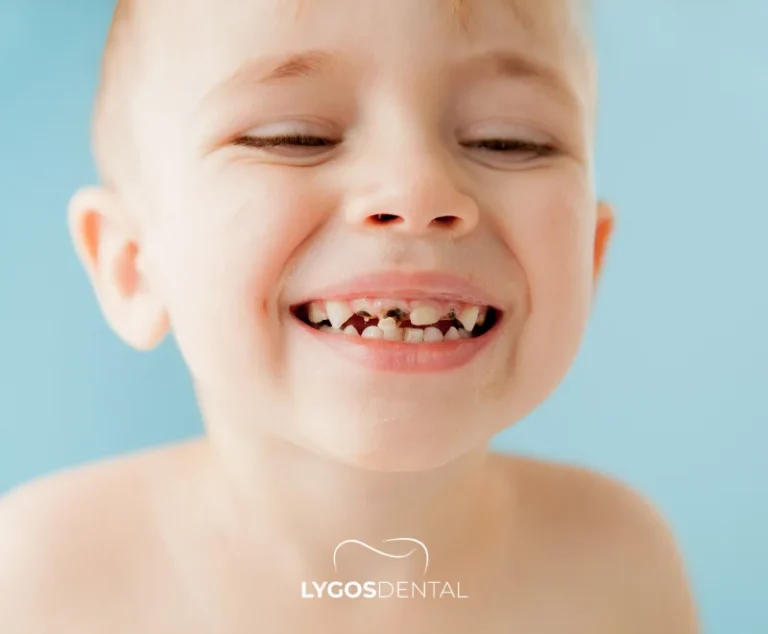
Cavities can be easy to miss early on, especially on the back teeth and between teeth that touch. Call a dentist if you notice any of the following:
- White, brown, or black spots on a tooth
- Sensitivity to cold, hot, or sweet foods
- Toothache, crying while eating, or avoiding chewing on one side
- Bad breath that doesn’t improve with brushing
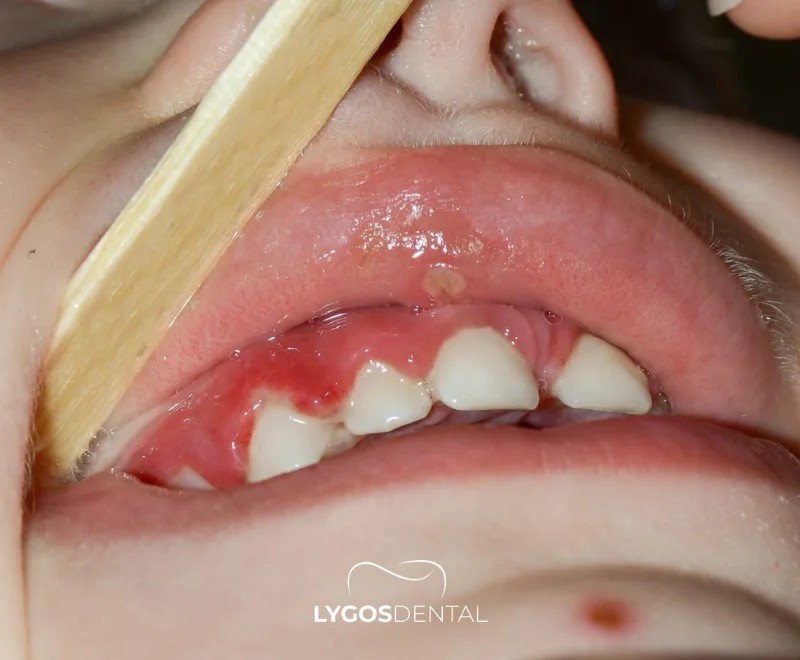
- Swollen, red, or bleeding gums near a tooth
- A pimple-like bump on the gum (possible sign of infection)
- A chipped or broken tooth after a fall
How Dentists Treat Baby Teeth
The right treatment depends on your child’s age, the size of the cavity, and whether the tooth’s nerve (pulp) is involved. A dentist may use an exam and, when needed, X‑rays to confirm what’s happening under the surface.
Preventive Care: Fluoride And Sealants
If a cavity is just starting, dentists may focus on prevention to stop it from getting worse. This can include professional fluoride, guidance on brushing, and sealing deep grooves on back teeth if they are at higher risk for decay.
In some cases, a dentist may recommend silver diamine fluoride (SDF) to help slow or stop early decay, especially when traditional treatment needs to be delayed.
Fillings For Early Cavities
When decay is limited to the outer layers of the tooth, a filling is often enough. The dentist removes the decayed area and restores the tooth with a child‑safe material, commonly tooth‑colored composite.
Local anesthetic may be used to keep your child comfortable. After the filling, the tooth can usually function normally the same day.
Crowns For Larger Cavities Or Broken Teeth
If a baby tooth has a large cavity or a weak, broken structure, a crown may protect it better than a filling. Stainless steel crowns are commonly used on back baby teeth because they are durable and cover the whole tooth.
Crowns help children chew without pain and reduce the risk of the tooth breaking again.
Pulpotomy And Pulpectomy (Baby ‘Root Canal’)
If decay reaches the nerve, the dentist may recommend pulp therapy rather than removing the tooth. A pulpotomy treats an inflamed nerve in the crown of the tooth, while a pulpectomy removes infected tissue from the crown and roots.
In primary teeth, the canals are filled with a resorbable material designed for baby teeth. The goal is to keep the tooth in place until it is ready to fall out naturally.
When Extraction Or Space Maintainers Are Needed
Sometimes a baby tooth can’t be saved—for example, if the infection is severe or the tooth is badly broken. In those situations, removing the tooth may be the safest option.
If a tooth is lost early, the dentist may recommend a space maintainer to help keep room for the permanent tooth and reduce the risk of future crowding.
When To Take Your Child To The Dentist
The American Academy of Pediatric Dentistry recommends the first dental visit by age 1 or within 6 months of the first tooth appearing. Early visits help establish a routine and catch small issues before they turn into painful problems.
Book an appointment sooner than a routine checkup if your child has tooth pain, swelling, a fever with dental symptoms, or a tooth injury after a fall.
How To Help Prevent Cavities At Home
Prevention is usually easier than treatment. These habits make a real difference:
- Brush twice a day with a soft toothbrush. For young children, an adult should do or supervise brushing.
- Use fluoride toothpaste in the right amount: a smear (about a grain of rice) for children under 3, and a pea‑sized amount for ages 3–6.
- Floss once a day when two teeth touch and food gets stuck between them.
- Limit frequent sugary snacks and drinks. Sipping juice, sweetened milk, or soda over long periods is especially hard on teeth.
- Avoid putting a child to bed with a bottle or sippy cup containing anything other than water.
- Keep regular dental checkups so small cavities are found early.
Frequently Asked Questions
Can rotting baby teeth be fixed?
Yes—dentists remove decay with fillings, crowns, or extraction, then prevent recurrence.
What is the 3-3-3 rule for teeth?
Brush 3 times daily for 3 minutes and replace your toothbrush every 3 months.
Is it worth fixing cavities in baby teeth?
Yes—treating cavities prevents pain, infection, early tooth loss, and chewing/speech problems.
What age is late for baby teeth?
After about age 13, keeping baby teeth is considered late and needs evaluation.
Do baby teeth rot over time?
No—baby teeth decay when plaque and sugars persist; time alone doesn’t cause rot.