
Jaw Exercises for TMJ Patients | LYGOS DENTAL
Jaw Exercises for TMJ Patients
Gentle jaw exercises can help many people with TMJ/TMD reduce muscle tension and improve comfortable mouth opening. Work only within a pain‑free range, move slowly, and stop if you feel sharp pain, locking, or worsening symptoms. Pair exercises with good jaw posture and simple self‑care like heat or cold as advised by your clinician.
Temporomandibular disorders (often shortened to TMD or “TMJ pain”) can make chewing, speaking, and yawning uncomfortable. Alongside professional guidance, simple home exercises may support recovery by improving control and reducing muscle guarding.
Table of Contents
What TMJ Is
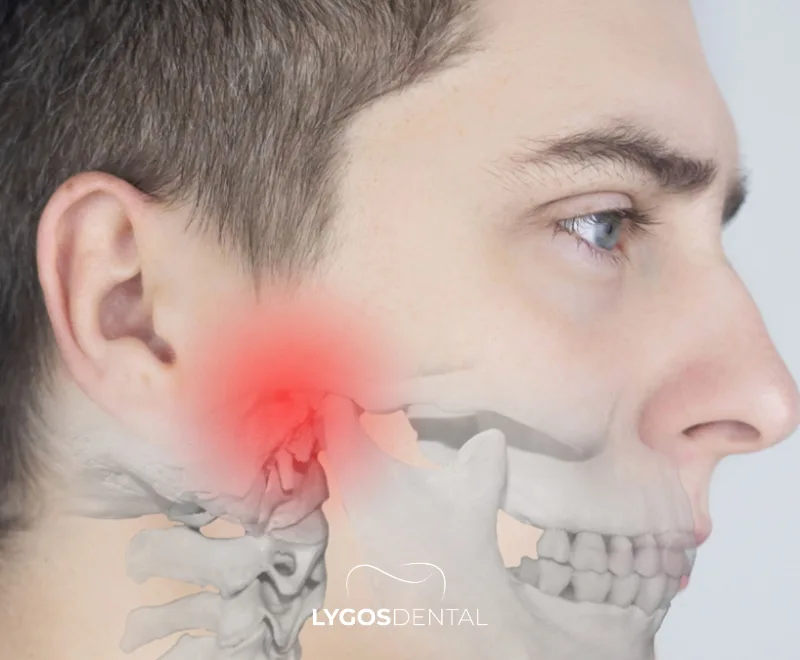
The temporomandibular joint connects your lower jaw (mandible) to your skull and works with a group of chewing muscles. When the joint itself, the surrounding muscles, or both become irritated or overworked, symptoms such as pain, stiffness, and clicking can appear.
Common Symptoms of TMJ Disorders
TMJ/TMD symptoms vary, but common signs include:
- Jaw pain or tenderness (one or both sides)
- Pain or fatigue while chewing
- Tightness in the face or jaw muscles
- Limited or uneven mouth opening
- Clicking, popping, or grinding sounds with jaw movement
- Ear-area pressure or pain (without an ear infection)
- Headaches, neck pain, or facial pain that seems linked to jaw use
How Exercises Support TMJ Treatment

For many patients, first-line care is conservative: self-care, splints/night guards when appropriate, and physical therapy. Targeted exercises may help by improving movement patterns, strengthening supporting muscles, and easing protective muscle spasms.
Benefits you may notice with consistent practice include:
- Better jaw control during opening and closing
- Less muscle tightness and fewer spasms
- Improved comfortable mouth opening over time
- Reduced sensitivity during daily activities like eating or talking
Safe Jaw Exercises You Can Do at Home
Do these exercises slowly and gently. A mild stretch or light muscle effort is okay, but sharp pain is not. Start once daily and build up to 2–3 short sessions if tolerated.
1) Controlled Jaw Opening and Closing
- Sit or stand tall with your head centered (avoid jutting the chin forward).
- Let your jaw relax and slowly open your mouth to a comfortable, pain‑free limit.
- Pause briefly, then close slowly without clenching your teeth at the end.
Suggested dose: 8–10 repetitions, 1–2 times per day.
2) Resisted Jaw Opening (Gentle)
- Place two fingers or the heel of your hand under your chin.
- Begin to open your mouth slowly while applying very light upward resistance.
- Hold the effort for 2–3 seconds, then relax and close slowly.
Suggested dose: 5–8 repetitions, once daily to start.
3) Side‑to‑Side Jaw Glides
- Keep your lips relaxed and teeth slightly apart.
- Move your lower jaw slowly to the right, then return to center.
- Move your lower jaw slowly to the left, then return to center.
Suggested dose: 5 repetitions per side, 1–2 times per day.
4) Tongue‑Up Opening (Resting Tongue on the Palate)
- Rest the tip of your tongue gently on the roof of your mouth, just behind the front teeth.
- Keeping the tongue in place, open your mouth slowly to a comfortable range.
- Close slowly and return to a relaxed jaw position.
Suggested dose: 6–10 repetitions, 1–2 times per day.
5) Relaxed Jaw Position (60‑Second Reset)
- Let your lips come together lightly.
- Keep your teeth slightly apart, with the tongue resting softly on the palate.
- Breathe slowly for 30–60 seconds and release tension from the cheeks and temples.
Suggested dose: 1–3 times per day, especially during stress or after long talking/chewing.
Safety Tips and Precautions
Exercises work best when your technique is calm and controlled. These tips help you stay safe and consistent:
- Stay in a pain‑free range. Stop if pain spikes, the jaw catches/locks, or symptoms worsen afterward.
- Move slowly. Fast or forceful stretching can irritate the joint and surrounding muscles.
- Use heat or cold if it helps (many people prefer moist heat for muscle tightness, cold for soreness after flare-ups).
- Avoid gum chewing, wide yawns, and hard or very chewy foods during flare-ups.
- Check your form in a mirror and keep your head and neck aligned.
When to See a Dentist or Doctor
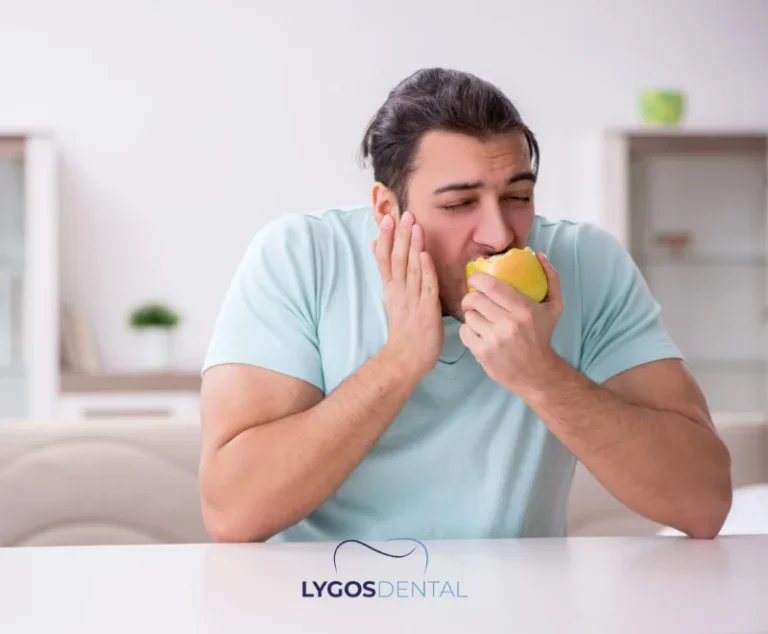
Home exercises can be useful, but some symptoms need professional assessment. Seek care if you notice:
- Severe or persistent pain that doesn’t improve with self‑care
- A sudden change in your bite or new difficulty bringing teeth together
- Jaw locking (open or closed) or frequent catching during movement
- Significant limitation in mouth opening
- Swelling, fever, trauma, or signs of infection
- Symptoms that steadily worsen over days or weeks
A dentist, physiotherapist, or oral and maxillofacial surgeon can help confirm the cause of your symptoms and tailor a plan that may include splint therapy, medication advice, manual therapy, posture work, and targeted strengthening.
FAQ
Permanently treating TMJ
Permanent cure is uncommon; manage with splints, physiotherapy, stress reduction, and treating causes.
TMJ exercises at home
Do gentle controlled opening, tongue-to-palate, and isometric holds, 5–10 reps.
TMJ exercises for jaw clicking
Controlled opening with tongue on palate and gentle lateral movements may reduce clicking.
Relaxing jaw exercise
Place tongue on palate, lips closed, teeth apart, breathe slowly for 2 minutes.
TMJ exercises before bed
Do warm compress 10 minutes, then gentle stretches and slow diaphragmatic breathing.