
Painless Teeth Cleaning with Airflow
Painless Teeth Cleaning With Airflow
Airflow teeth cleaning (also called air polishing) is a gentle professional cleaning that uses a controlled stream of air, warm water, and fine powder to lift plaque, surface stains, and biofilm. It’s often more comfortable than traditional scraping, especially for sensitive teeth, and it can brighten teeth by removing discoloration from coffee, tea, or smoking.
Daily brushing and flossing matter, but they can’t remove every stain or hardened buildup. A professional cleaning helps protect gum health and keeps breath fresher. If you’ve avoided cleanings because they feel uncomfortable, Airflow is worth asking your dentist about.
What Is Airflow?
Airflow is a modern hygiene technique used during professional cleanings. A handheld device sprays a targeted mix of air, water, and a specially designed powder to break up dental biofilm and remove extrinsic stains on the tooth surface. Because it relies on a spray rather than metal instruments alone, many patients find it more comfortable.
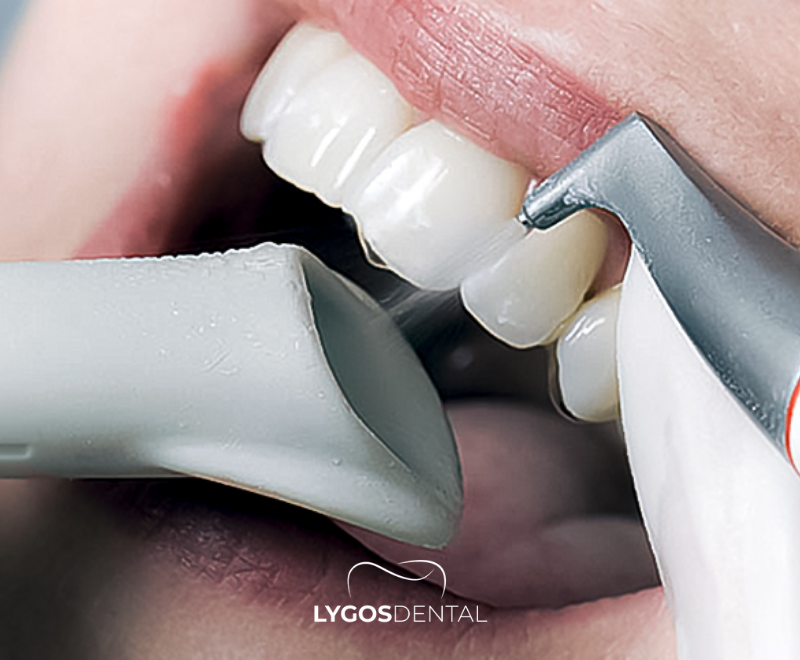
Table of Contents
How Airflow Teeth Cleaning Is Performed
Most appointments are straightforward and usually take around 20–30 minutes, depending on stain and plaque levels. A typical visit looks like this:
- Assessment: Your dentist or hygienist checks your teeth and gums and confirms Airflow is appropriate for you.
- Protection: You’ll wear protective eyewear, and a moisturiser may be applied to keep lips comfortable.
- Airflow cleaning: The spray is guided along tooth surfaces and around gumlines to remove plaque, biofilm, and stains.
- Rinse and review: Your mouth is rinsed and the clinician checks if any areas need extra attention.
- Optional fluoride: If recommended, a fluoride application may be used to support enamel strength.
Benefits Of The Airflow Method
Airflow is popular because it combines comfort with visible results. Key benefits include:
- Comfortable cleaning: Many people report less sensitivity compared with traditional scraping.
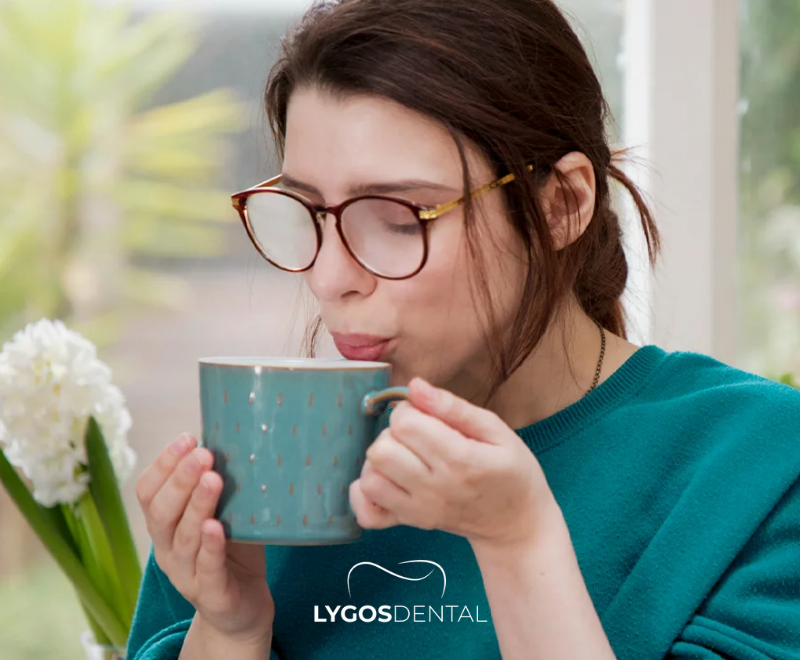
- Effective stain removal: Helps lift discoloration from coffee, tea, red wine, and smoking.
- Gentle on enamel: Designed for surface stain and biofilm removal without aggressive abrasion when used correctly.
- Gum-friendly approach: Can feel easier for people with mild gum sensitivity.
- Faster appointments: Often quicker for stain-heavy cases than polishing alone.
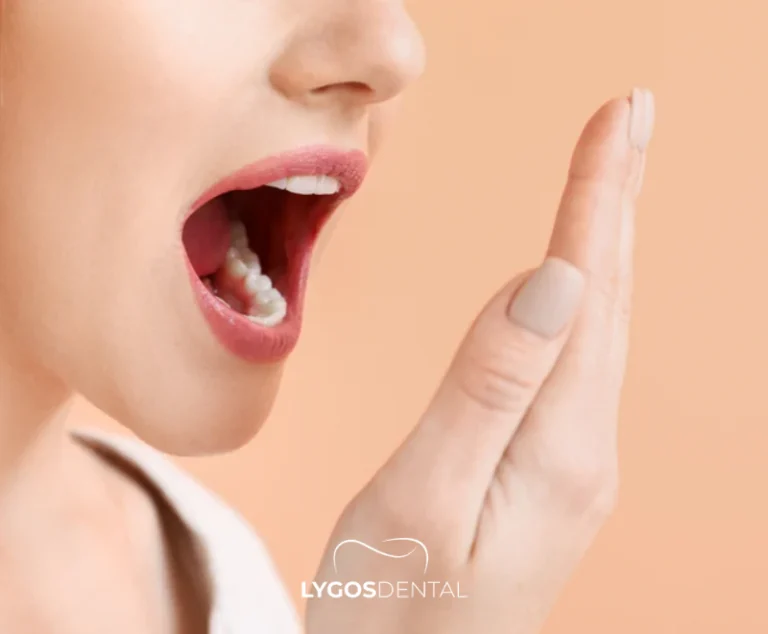
- Fresher breath: Reducing bacterial biofilm can help with persistent bad breath.
Who Is Airflow Teeth Cleaning Suitable For?
Airflow is suitable for many adults and teens. It’s commonly recommended if you:
- Have surface stains from coffee, tea, or smoking
- Wear braces or clear aligners and want easier stain and plaque control around appliances
- Have mild gum sensitivity and prefer a gentler-feeling clean
- Have crowns, veneers, or implants and want careful hygiene around restorations (your clinician will choose the right powder and settings)
- Feel anxious about traditional scaling or dislike the scraping sensation
When Airflow May Not Be Recommended
Airflow is safe for most patients, but it may be postponed or adjusted in some situations. Tell your dentist if you have severe or unstable asthma or other significant breathing problems, an active respiratory infection, or a known allergy to ingredients in dental powders. Your clinician may also avoid certain powders for people on a strict low‑sodium diet.
Aftercare Tips Following Airflow Cleaning
To keep the result looking clean for longer and to protect gum health:
- Avoid staining drinks and foods (coffee, tea, red wine) and smoking for at least 2 hours after the visit.
- Skip very hot or very cold drinks for the rest of the day if your teeth are sensitive.
- Brush twice daily and clean between teeth (floss or interdental brushes) to slow plaque build‑up.
- Use a fluoride toothpaste if your dentist recommends it.
- Schedule routine hygiene visits as advised—often every 6 months, and more frequently if you have gum issues.
How Much Does Airflow Cost In Turkey?
Costs vary by city, clinic type, and whether Airflow is done on its own or combined with scaling, polishing, and fluoride. In 2026, some large clinic chains in Turkey publish Airflow packages in the roughly 2,600–3,800 TL range, while more comprehensive “full hygiene” packages can be around 3,700–5,900 TL. The best way to get an accurate figure is to ask for a written quote after an exam.
Airflow Teeth Cleaning: Frequently Asked Questions
Does airflow teeth cleaning hurt?
Airflow cleaning is usually painless, but can feel chilly or sensitive on exposed roots.
Is airflow teeth cleaning better?
Airflow removes biofilm and surface stains better; scaling removes hardened tartar better.
How long does air flow teeth cleaning take?
Airflow cleaning typically takes about 20–30 minutes, depending on staining and plaque.
Is airflow better than scaling?
Airflow is better for biofilm and stains; scaling is better for hardened tartar.
Can airflow damage gums?
Airflow won’t damage healthy gums when used correctly, but may temporarily irritate inflamed tissue.
How long does air flow take?
Airflow usually takes 10–30 minutes per visit, depending on how many teeth.