
Porcelain Veneers in Turkey vs Germany | LYGOS DENTAL
Porcelain Veneers in Turkey vs Germany
Turkey and Germany can both deliver natural-looking porcelain veneers when the case is planned well and high-quality labs are used. The difference is usually cost and logistics: Turkey often offers lower prices and faster scheduling, while Germany is known for tightly regulated workflows and local follow‑up. Your best choice depends on your budget, timeline, and aftercare plan.
Porcelain veneers are a popular option for smile makeovers because they can improve color, shape, and symmetry without orthodontics in mild cases. Still, veneers are a medical procedure, not a quick cosmetic purchase. A careful assessment (bite, gum health, enamel thickness, and habits like grinding) matters as much as the country you choose.
Table of Contents
What Are Porcelain Veneers?
Porcelain veneers are thin ceramic shells bonded to the front surface of teeth. They are typically custom-made by a dental laboratory and require precise planning so the final result looks natural and feels comfortable.
Main Benefits
- Natural, enamel-like appearance when shade and translucency are matched correctly.
- Helps mask stains that don’t respond well to whitening (case dependent).
- Can restore minor chips, uneven edges, or small gaps.
- Ceramic is stain-resistant and can be long-lasting with good care.
Veneers are not always the right first choice. If you have active gum disease, untreated decay, severe bite issues, or significant teeth grinding, you may need other treatments before veneers are considered.
Porcelain Veneers In Turkey
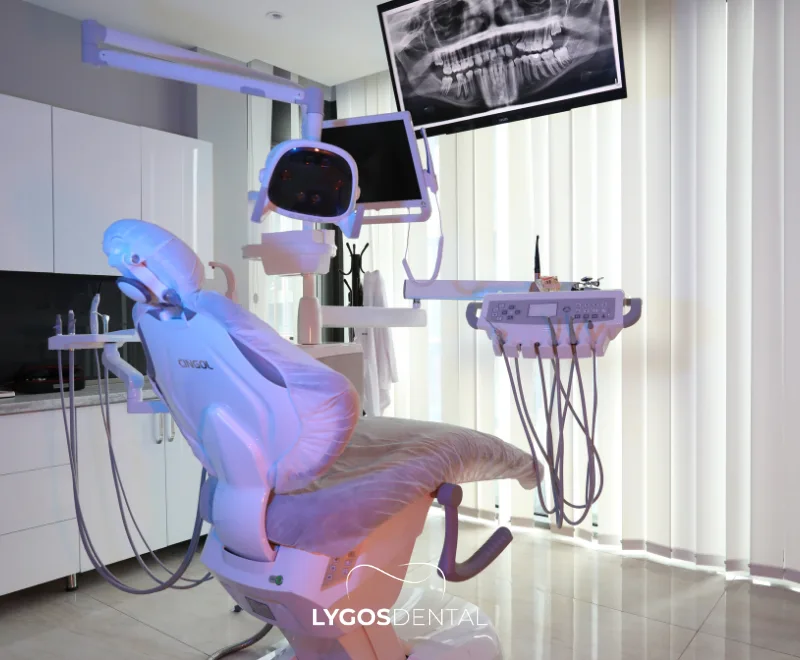
Turkey is a well-known destination for dental tourism, especially in Istanbul, Izmir, and Antalya. Many clinics are experienced in treating international patients and often package dentistry with accommodation and transfers.
Why Patients Consider Turkey
- Competitive pricing due to lower operating costs compared with Western Europe.
- High patient volume for cosmetic cases, which can translate into strong workflow efficiency.
- Modern clinic setups are common, including digital impressions and CAD/CAM-supported planning.
- Flexible scheduling, often completing the main stages within a short trip (when clinically appropriate).
What To Check Before Booking
- Who will design the case (dentist vs. technician) and whether you can preview a mock‑up before final veneers.
- The exact ceramic system used (for example, lithium disilicate or layered porcelain) and the lab making the restorations.
- How much tooth reduction is planned and whether conservative options are suitable for you.
- Warranty/guarantee terms and what happens if a veneer chips after you return home.
- A clear aftercare plan, including night guard advice for grinders.
Porcelain Veneers In Germany
Germany is known for structured clinical protocols and strong dental laboratory networks. For many patients, the biggest advantage is convenience for follow-up appointments and long-term maintenance close to home.
Typical Strengths In Germany
- Strict clinical documentation and standardized workflows.
- High-end laboratories and broad access to premium ceramic systems.
- Easier local follow-up for adjustments, repairs, and regular checks.
Because veneers are usually classed as elective aesthetics, patients often pay out of pocket. Some supplementary dental insurance plans may reimburse part of the cost, depending on the policy.
Porcelain Veneers Prices In Turkey Vs Germany
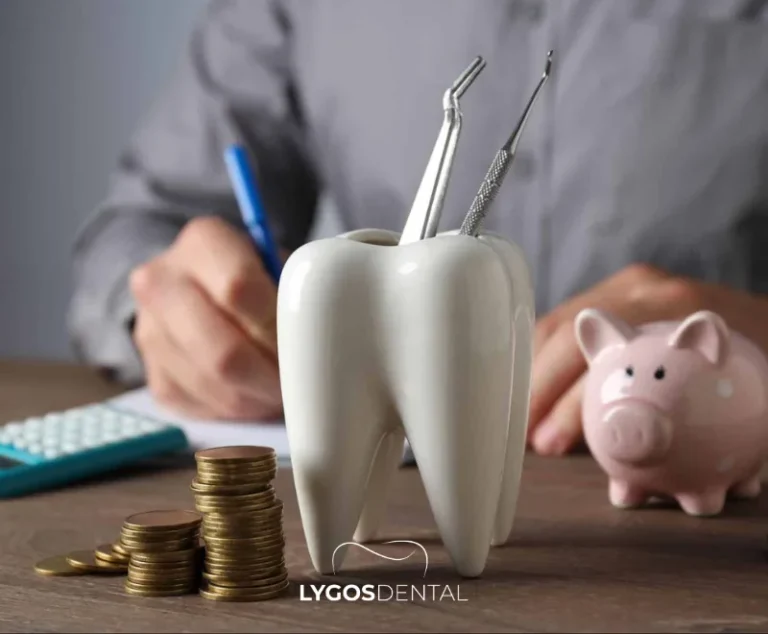
Exact fees vary by city, dentist experience, laboratory choice, and the complexity of your case. As a practical range:
- Turkey: often around €200–€400 per porcelain veneer in many clinics, with package pricing for multiple teeth.
- Germany: commonly around €800–€2,000 per ceramic veneer, depending on the practice and lab.
A quote should itemize what’s included (consultation, imaging, temporary veneers, lab fees, adjustments, and follow-up). Cheapest is rarely best in cosmetic dentistry—fit, bite, and edge design matter more than a headline price.
Materials And Technology: Are They Really Different?
In both Turkey and Germany, many reputable clinics use internationally recognized ceramic systems and modern digital workflows. The bigger variables are the planning standards, the quality control of the laboratory work, and the time spent on aesthetics and bite adjustments.
What Impacts The Final Result Most
- Case planning: smile line, gum levels, and facial proportions.
- Bite assessment: veneers must work with your chewing pattern to reduce chipping risk.
- Lab quality: contouring, translucency, and marginal fit.
- Bonding protocol: isolation and cementation technique are critical for longevity.
Which Option Should You Choose?
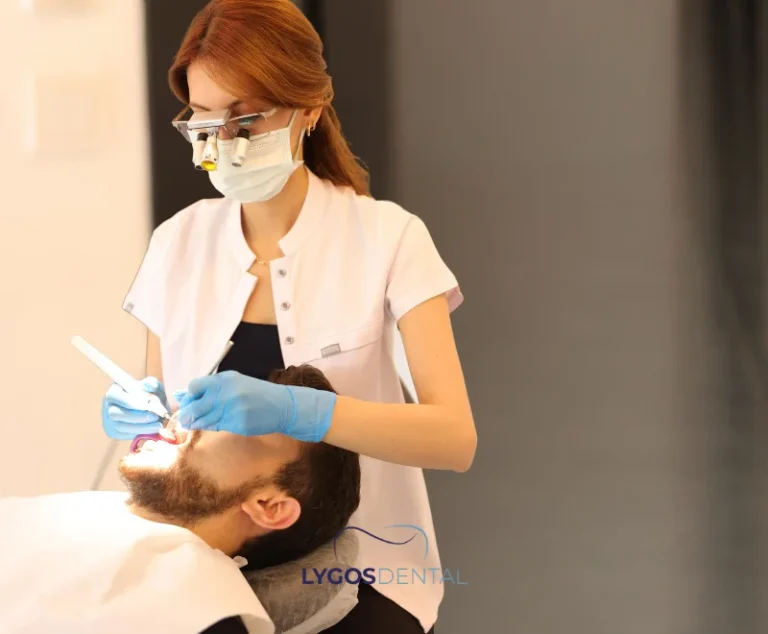
Both countries can deliver excellent outcomes when the provider is experienced and the case is planned conservatively. Use these decision points to narrow your choice:
- Budget: Turkey is often the lower-cost option for similar ceramic materials.
- Timeline: Turkey may offer faster scheduling; Germany can involve longer wait times depending on region and clinic.
- Aftercare: Germany is simpler for routine checks and quick fixes. If you travel to Turkey, plan how you will handle follow-up at home.
- Travel comfort: consider flights, time off work, and whether you can return if an adjustment is needed.
Practical Tip For Dental Tourism
If you travel for veneers, allow enough time for try-ins and adjustments, and avoid rushing the final cementation. Ask for pre‑ and post‑treatment photos, written material details, and a copy of your treatment plan for your dentist at home.
Get More Information
If you’re exploring porcelain veneers, a short consultation and a clear treatment plan are the best starting point. You can also ask about related treatments such as dental crowns, implants, or general dentistry services.
FAQ
How much do porcelain veneers cost in Germany?
€800–€2,000 per porcelain veneer in Germany.
How much do porcelain veneers cost in Turkey?
₺7,000–₺26,400 per porcelain veneer in Turkey.
Which country has the highest quality veneers?
No single country; quality depends on dentist skill, lab, materials, and regulation.
How long do porcelain veneers last?
Typically 10–15 years; many last 15–20 with excellent care.
How painful is getting porcelain veneers?
Usually mild with local anesthesia; temporary sensitivity and soreness are common.