
Splint Prices for Teeth Grinding (Bruxism)
Splint Prices For Teeth Grinding (Bruxism) In Turkey
Splints (night guards) are custom dental appliances that protect teeth and jaw joints from grinding. In Turkey, prices usually depend on the splint type, materials, and lab work. Most patients pay within typical clinic ranges for soft, hard, or hybrid designs, with extra fees possible for consultation, scans, and follow‑up adjustments.
Splints (night guards) are custom dental appliances that protect teeth and jaw joints from grinding. In Turkey, prices usually depend on the splint type, materials, and lab work. Most patients pay within typical clinic ranges for soft, hard, or hybrid designs, with extra fees possible for consultation, scans, and follow‑up adjustments.
Table of Contents
What Is Teeth Grinding (Bruxism)?
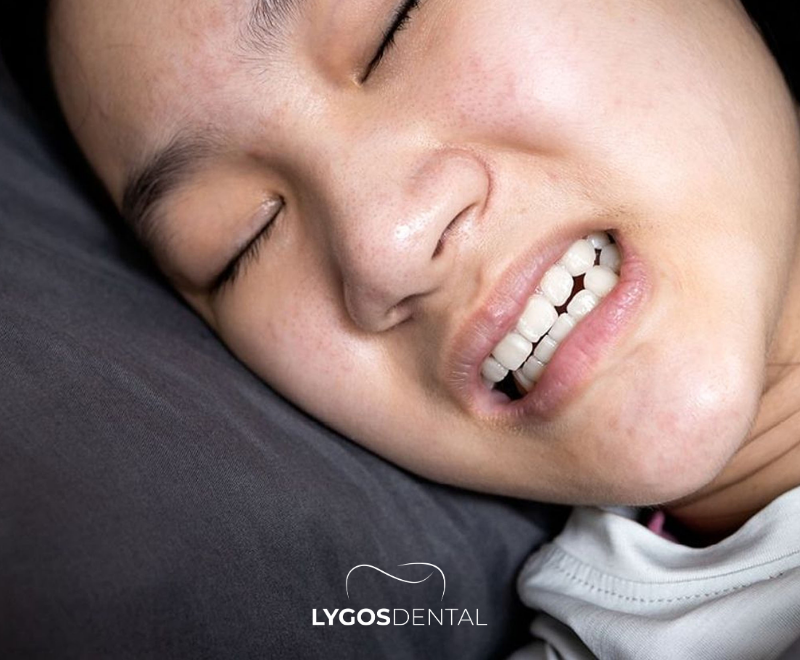
Bruxism is involuntary clenching or grinding of the teeth. It most often happens during sleep, but some people also clench during the day when stressed or concentrating. Over time, untreated bruxism can wear down enamel, strain jaw muscles, and irritate the temporomandibular joint (TMJ).
Common Symptoms
Bruxism can be subtle, especially if it happens at night. Signs dentists commonly see include:
- Jaw or facial muscle pain, especially in the morning
- Headaches (often around the temples)
- Flattened, chipped, or worn tooth surfaces
- Tooth sensitivity or cracked enamel
- Ear pain without an ear infection
- Grinding noises noticed by a partner
If these symptoms sound familiar, a dental exam can confirm wear patterns and rule out other causes. Your dentist may also ask about sleep quality, stress, and any jaw clicking or locking.
What Is A Splint And How Does It Help?
A splint (often called a night guard) is a clear appliance fitted to your teeth. It creates a protective barrier so your teeth do not grind directly against each other. It can also help reduce muscle overload and protect the TMJ by stabilizing the bite during sleep.
A properly fitted splint can help with:
- Reducing tooth wear and preventing fractures
- Lowering jaw muscle fatigue and morning tightness
- Protecting dental work such as crowns or veneers
- Supporting TMJ comfort in patients who clench
Types Of Splints Used For Bruxism
Dentists recommend different designs depending on the severity of grinding, your bite, and jaw symptoms. The three most common options are soft, hard, and hybrid splints.
Soft Splints
Soft splints are flexible and often used for mild to moderate clenching or grinding. They can feel more comfortable at first, but they may wear out faster in heavy grinders.
Hard Splints
Hard splints are made from more rigid materials and are usually recommended for moderate to severe bruxism. They are durable and typically provide more stable bite guidance, which can be helpful for TMJ protection.
Hybrid Splints
Hybrid designs combine a softer inner surface with a harder outer shell. They aim to balance comfort with durability, especially for patients with sensitive jaws or strong bite forces.
Splint Prices In Turkey (2026)
Clinics set fees based on materials, lab work, and the appointment plan. The ranges below reflect common private-clinic pricing and can vary by city, dentist expertise, and technology used.
| Splint Type | Typical Price Range (TL) |
| Soft splint | 1,500 – 2,500 |
| Hard splint | 2,500 – 4,000 |
| Hybrid splint | 3,000 – 4,500 |
These ranges may or may not include the exam, impressions or digital scan, fitting, and follow‑up adjustments. If you have private insurance, ask whether dental splints are covered and what documentation is required.
What Affects The Total Cost?
A price quote can differ from one clinic to another even for the same splint type. The biggest factors usually include:
- Dentist experience and clinic location (major cities and central locations often cost more)
- Splint material and design (hard and hybrid options tend to be higher priced)
- Laboratory workflow (precision impressions, CAD/CAM production, and quality control)
- Number of visits and adjustments included in the package
- Extra services when clinically needed (e.g., TMJ assessment, physiotherapy referral)
How To Choose The Right Splint
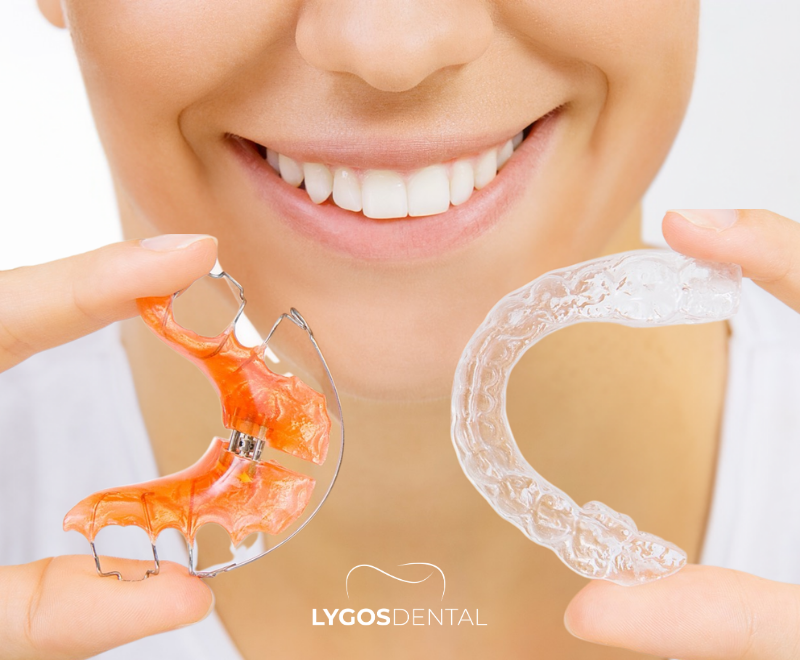
The best splint is the one that fits accurately and matches your diagnosis. Over‑the‑counter guards may look cheaper, but they can fit poorly and may worsen bite or jaw symptoms. A dentist‑made splint is designed from your bite records and can be adjusted if it feels too tight or changes your bite.
When comparing clinics, ask:
- Is the price for a custom, lab‑made splint or a chairside/standard guard?
- Does the quote include follow‑up adjustments?
- What is the expected lifespan for my grinding intensity?
- What should I do if the splint feels uncomfortable or changes my bite?
How Long Does A Splint Last?
Lifespan depends on how strongly you grind, the splint material, and daily care. Many patients replace a splint every 1 to 3 years. Regular checkups help catch cracks, thinning areas, and bite changes early.
FAQ
What is a splint for teeth grinding (bruxism)?
A bruxism splint is a custom nightguard that protects teeth and relaxes jaw muscles.
How much does a splint for bruxism cost?
$200–$800 for a custom dentist-made splint; store-bought guards cost less.
Are dental splints expensive?
Yes; custom splints can feel expensive, but they’re cheaper than repairing tooth damage.
How long is a splint used?
Months to years, worn nightly, depending on ongoing grinding and symptoms.
Does wearing a splint cause pain?
Usually not; mild pressure or soreness may occur initially, then settles quickly.