
Things to Consider During Orthodontic Treatment | LYGOS DENTAL
Things to Consider During Orthodontic Treatment
Orthodontic treatment works best when daily habits match your orthodontist’s plan. Keep braces or aligners clean, protect them from hard and sticky foods, attend scheduled adjustments, and wear retainers exactly as prescribed. Consistent hygiene and follow-ups help prevent cavities, breakages, and avoidable delays.
Orthodontic treatment can improve more than appearance. By correcting crowding, spacing, and bite problems, it also supports easier cleaning, healthier gums, and more balanced chewing.
Whether you choose braces or clear aligners, the small choices you make each day affect comfort and the speed of progress. The guidance below covers the habits that most often keep treatment on track.
Table of Contents
What Is Orthodontic Treatment?
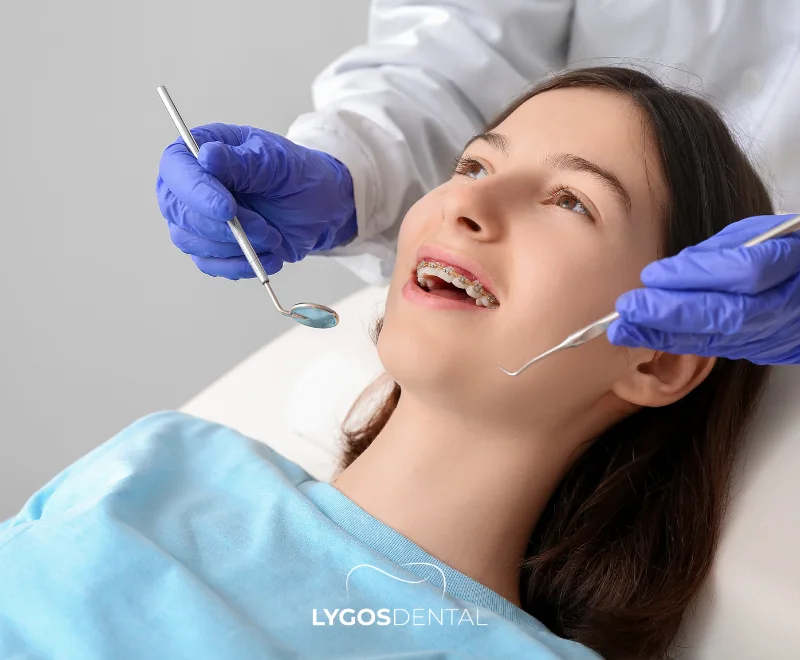
Orthodontics is a branch of dentistry focused on aligning teeth and guiding jaw relationships so the bite functions properly.
It can help with crowding, gaps, protruding teeth, crossbites, overbites, underbites, and other alignment concerns identified during an exam.
Common Treatment Options
Fixed braces (metal or ceramic) move teeth with brackets and wires that are adjusted at follow-up visits.
Clear aligners use a series of removable trays and can be a good fit for many mild to moderate cases, especially when aesthetics and removability matter.
Your orthodontist recommends the right option based on tooth movement needs, bite goals, and your lifestyle.
How Does The Orthodontic Treatment Process Work?
Most treatment plans follow the same stages, even though the details are customized.
- Consultation and diagnosis (exam, photos, and X-rays as needed).
- Treatment plan and appliance selection (braces or aligners).
- Placement or delivery of appliances and at-home instructions.
- Regular follow-ups for adjustments and progress checks.
- Finishing phase once alignment and bite goals are reached.
- Retention with a retainer to help prevent relapse.
Many cases take about 12 to 36 months, but timelines vary. Broken appliances, missed visits, and poor cleaning are common reasons treatment runs longer than expected.
Things To Do Before Starting Treatment
A smooth start usually comes down to preparation. Addressing existing dental issues and setting routines early can prevent setbacks later.
- Treat cavities and gum problems before appliances are placed.
- Build a consistent brushing and flossing routine (you will need it even more with braces).
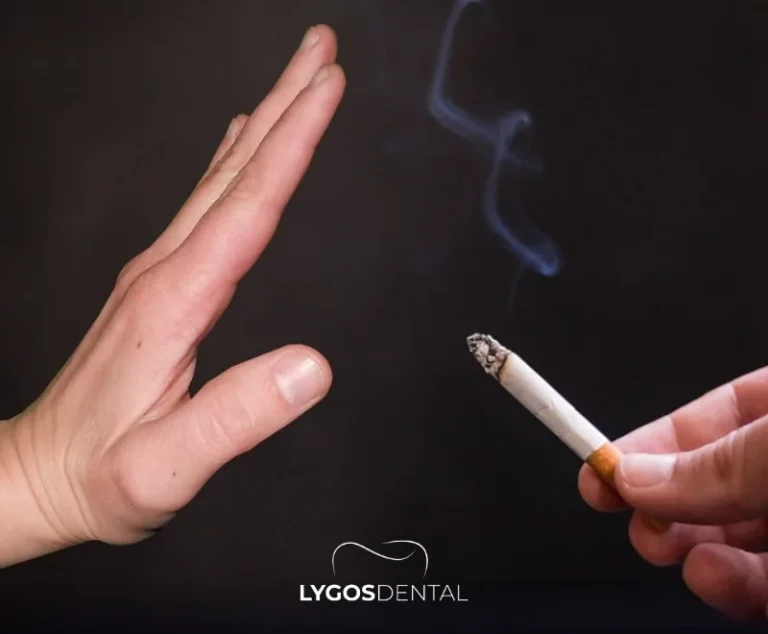
- If you smoke, ask your dentist for help quitting or cutting down—tobacco can slow healing and irritate gums.
- For children, explain what to expect and plan simple meals for the first few days.
Rules To Follow During Orthodontic Treatment
Good results come from teamwork between you and your orthodontic team. These practical habits protect your teeth and your appliance.
- Clean thoroughly every day. Use an orthodontic toothbrush, interdental brushes, and floss threaders or a water flosser.
- Keep your appointments. Adjustments and tray changes are timed for safe, efficient movement.
- Avoid habits that damage appliances, such as chewing ice, pens, or fingernails.
- Contact your clinic if a bracket breaks, a wire is poking, or an aligner does not fit properly.
- Expect some pressure after adjustments or a new aligner set. Use orthodontic wax for irritation and stick to softer foods for a day or two.
What To Eat During Orthodontic Treatment

Food choices can make treatment more comfortable and reduce emergency visits for broken brackets or bent wires.
If you wear clear aligners, remove trays before eating and rinse your mouth before putting them back in to reduce staining and odor.
Foods That Usually Work Well
- Soups, yogurt, and other soft meals
- Eggs, fish, and tender chicken
- Cooked vegetables
- Fruit cut into bite-sized pieces
- Milk, cheese, and other dairy (helpful for calcium intake)
Foods That Commonly Cause Problems
- Hard nuts and shelled snacks
- Popcorn and hard crusty bread
- Chewy or sticky sweets (gum, toffee, caramel)
- Ice and hard candy
- Sugary and acidic drinks that can weaken enamel, including many sodas
If you do have something crunchy, cut it into small pieces and chew with your back teeth. When in doubt, choose softer options—especially in the first week after braces are placed or adjusted.
Retention: Keeping Your New Smile Stable
Teeth can drift after active treatment ends. Retainers hold the result while the gums and bone adapt.
Follow your orthodontist’s wear schedule closely and bring your retainer to checkups so fit and condition can be reviewed.
Get Information Now
Contact us to learn more about Cosmetic Dentistry, Dental Crowns, Dental Implants, and General Dentistry. We can help you book an appointment and answer questions about your treatment options.
FAQ
How do you care for braces at home?
Brush after meals, floss daily, avoid sticky/hard foods, and wear elastics as directed.
What happens at your second braces appointment?
Orthodontist checks progress, adjusts wires, replaces elastics, and answers comfort or hygiene questions.
How long after your first orthodontist appointment will braces be fitted?
Typically 1–4 weeks after records are taken; sometimes the same day.
How can braces pain be relieved?
Take approved pain relievers, eat soft foods, use orthodontic wax, and rinse warm saltwater.