
Tooth Lesion Symptoms
What Are The Symptoms Of A Tooth Lesion?
A tooth lesion is damage to enamel or dentin, often from decay, wear, or trauma. Early lesions may cause no symptoms, but as they deepen you may notice cold or sweet sensitivity, tooth discoloration, pain when biting, visible chips or cracks, or gum recession near the affected area. A dental exam (often with X‑rays) confirms the cause and severity.
What Is A Tooth Lesion?
A tooth lesion is an area where the tooth structure has been weakened or lost. Some lesions are caused by tooth decay (caries), while others come from grinding, acidic erosion, aggressive brushing, or a crack after trauma. Lesions can affect enamel, dentin, and—when advanced—the inner nerve tissue.
Early Symptoms Of A Tooth Lesion
Many tooth lesions start silently. When symptoms do appear early, they are usually mild and easy to overlook.
-
- Tooth sensitivity to cold, hot, or sweet foods and drinks.
- A small rough spot, notch, or area that catches floss.
- Light discoloration (a white, yellow, or brown spot), especially along grooves or near the gumline.
- Occasional discomfort when biting, chewing, or brushing.
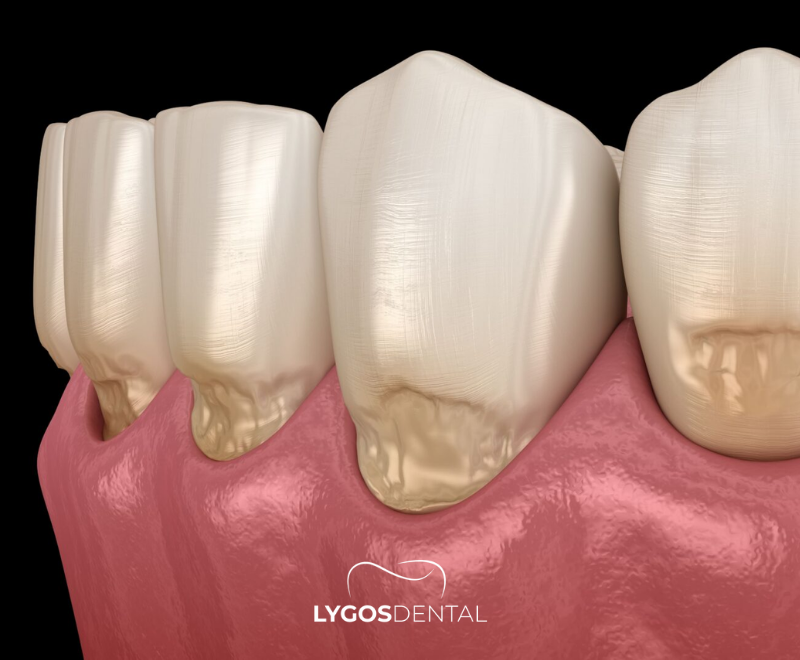
Table of Contents
Later Or More Noticeable Symptoms
As a lesion progresses, symptoms tend to become more consistent and harder to ignore.
- Sharp pain or lingering sensitivity after cold or sweet foods.
- Pain when biting down, especially on one specific tooth.
- Visible cracks, chips, or a piece of tooth that feels missing.
- Darkening of the tooth (brown or black areas) or a shadow under enamel.
- Gum recession around the affected tooth, which can expose the root and increase sensitivity.
- Bad taste, food trapping, or swelling around the tooth (possible sign of infection).
What Causes Tooth Lesions?
Tooth lesions have several common causes. Knowing the likely cause helps your dentist choose the right treatment and prevent recurrence.
- Tooth decay from plaque buildup and frequent sugar intake.
- Acid erosion from acidic foods/drinks or gastric reflux.
- Teeth grinding (bruxism) and heavy bite forces that create micro‑cracks.
- Trauma (a fall, sports injury, or biting something hard).
- Aggressive brushing or abrasive toothpaste, especially near the gumline.

Risk Factors For Tooth Lesions
Risk factors increase the chance of developing a lesion or speed up its progression.
- Poor oral hygiene (infrequent brushing, no flossing, irregular dental cleanings).
- A diet high in sugary or acidic snacks and drinks.
- Dry mouth (from medications, dehydration, or certain health conditions).
- Smoking or tobacco use, which increases gum disease risk and can worsen oral health.
- Bruxism (night grinding) or a misaligned bite.
- Naturally thinner enamel or a personal history of frequent cavities.
- Age-related enamel wear.
How Dentists Diagnose Tooth Lesions
Tooth lesions are usually found during routine checkups, even before they cause pain.
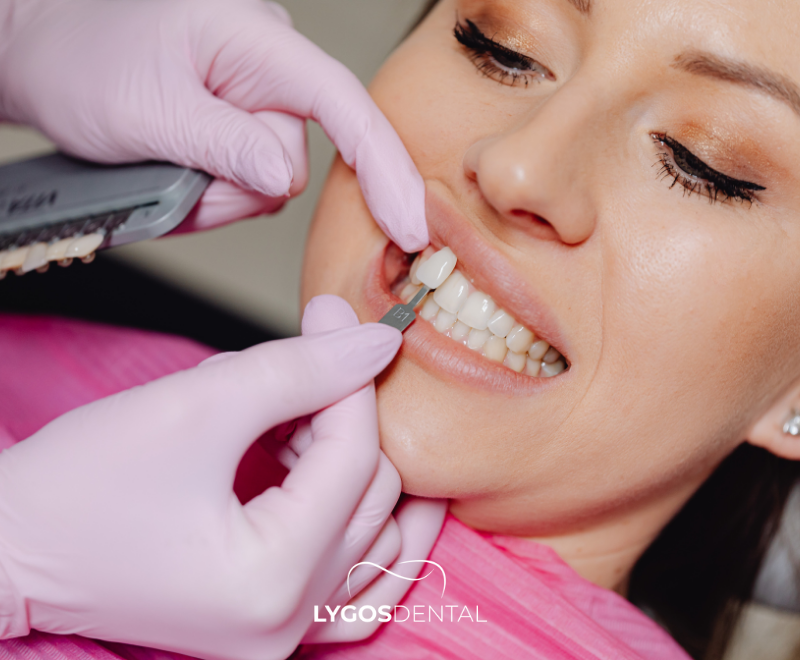
- Clinical exam: your dentist checks for color changes, soft areas, cracks, worn spots, and gum recession.
- Dental X‑rays: help detect decay between teeth and evaluate deeper damage not visible to the eye.
- Bite and sensitivity checks: identify pain triggers and confirm whether the tooth has a crack or inflamed nerve.
How Tooth Lesions Are Treated
Treatment depends on the type of lesion and how deep it goes. Earlier treatment is usually simpler and helps preserve more natural tooth structure.
- Fluoride or remineralization care: may help early enamel lesions and reduce sensitivity.
- Dental filling (restoration): removes damaged areas and rebuilds the tooth’s shape and function.
- Root canal treatment: used when the nerve is infected or irreversibly inflamed, followed by a restoration.
- Crown or onlay: protects a tooth that has lost a large amount of structure or has a significant crack.
Recovery And Aftercare
Recovery varies by procedure, but most people return to normal routines quickly.
- Keep up daily brushing and flossing to prevent new decay around restorations.
- Avoid very hard or sticky foods for a short period if your dentist advises it.
- Use medications only as directed if you have pain or swelling after treatment.
- Contact your dentist if pain worsens, you develop swelling, or your bite feels off.
When To See A Dentist
Book a dental visit if you notice new sensitivity, pain when chewing, visible cracks, or discoloration that doesn’t improve. Regular checkups are still the best way to catch lesions early—often before they become painful.
Tooth Lesion Symptoms: Frequently Asked Questions
What is a tooth lesion?
A tooth lesion is damaged tooth tissue from decay, erosion, trauma, or infection.
What is the 3-3-3 rule for toothache?
Use pain relief or saltwater rinses every 3 hours; see dentist within 3 days.
How to get rid of tooth lesion?
See a dentist; treatment ranges from fluoride remineralization to fillings, crowns, or root canals.
How to treat lesions on teeth?
A dentist treats them with fluoride, fillings, bonding, crowns, or root canal therapy.
What is the most common oral lesion?
Recurrent aphthous ulcers (canker sores) are the most common oral mucosal lesion.
Can tooth lesions be reversed?
Early enamel caries can be reversed by remineralization; cavitated lesions require restoration.