
What is a Tooth Cyst?
Tooth Cyst: Symptoms, Causes, And Treatment
A tooth cyst is a fluid-filled sac that forms near a tooth root or within the jawbone, often after long‑standing infection or around an unerupted tooth. Many cysts cause no symptoms and are found on dental X‑rays. Treatment depends on the type and size and may include root canal therapy, surgical removal, or tooth extraction, followed by monitoring.
Tooth cysts are usually benign, but they can expand over time and damage nearby teeth, bone, or nerves. Because early cysts are often painless, regular dental check-ups and X-rays play a big role in finding them before they cause complications.
What Is A Tooth Cyst?
A tooth cyst is a closed sac lined by tissue and filled with fluid or semi‑fluid material. It may develop at the tip of a tooth root, around an unerupted tooth, or elsewhere in the jawbone. Some cysts stay small, while others slowly enlarge and weaken the surrounding bone.
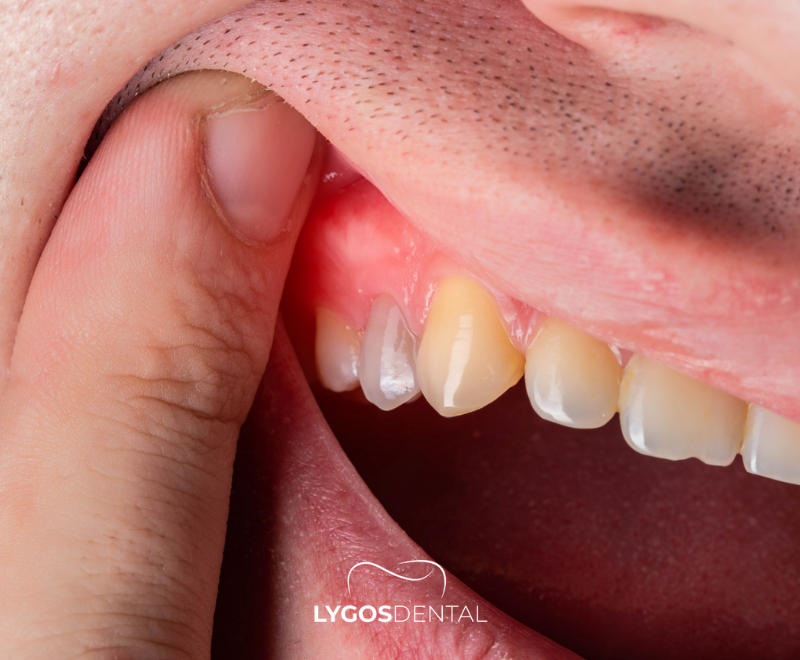
Table of Contents
Common Types Of Tooth Cysts
Dentists may use the term “tooth cyst” broadly, but there are different odontogenic (tooth‑related) cysts. The exact diagnosis matters because it affects treatment and follow-up.
- Radicular (Periapical) Cyst: Often linked to an infected or non‑vital tooth and found near the root tip.
- Dentigerous Cyst: Forms around the crown of an unerupted or impacted tooth, commonly wisdom teeth.
- Other Odontogenic Cysts: Less common types exist and may need specialist evaluation and longer follow‑up.
Symptoms Of A Tooth Cyst
Many tooth cysts cause no obvious symptoms until they grow or become infected. When symptoms do appear, they can look similar to other dental problems, so an exam and imaging are important.
- Swelling in the gum or jaw area
- A dull ache or pressure that may worsen when chewing
- Tenderness of the gum near the affected tooth
- A tooth feeling loose or shifting position as the cyst enlarges
- Changes in tooth color (in some cases)
- Drainage, bad taste, or bad breath if infection develops
What Causes A Tooth Cyst?
Causes depend on the cyst type, but most are related to infection, inflammation, or tooth development. A dentist may also consider past dental trauma, previous treatment, and how the tooth developed in the jaw.
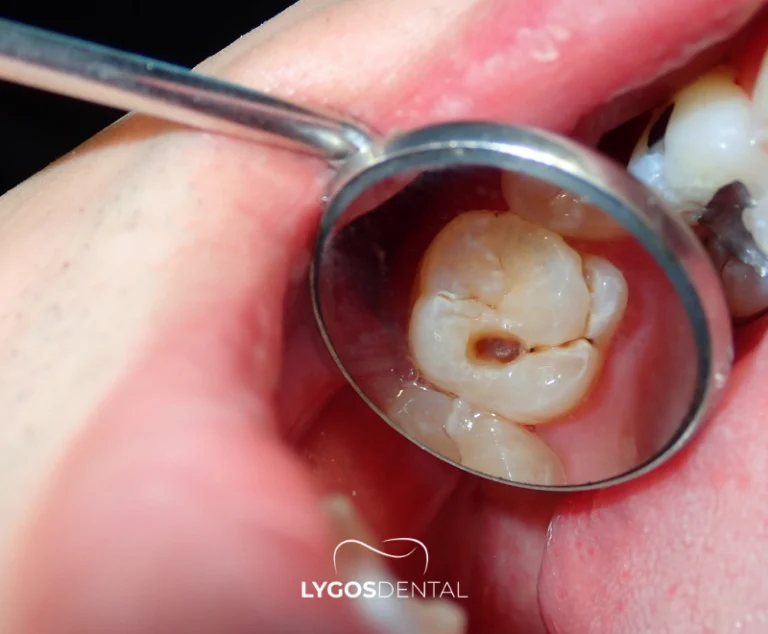
- Untreated tooth decay or deep fillings: Bacteria can reach the pulp and trigger infection near the root.
- Gum or tooth infections: Chronic inflammation can contribute to cyst formation and growth.
- Impacted or unerupted teeth: A cyst may form around a tooth that hasn’t erupted normally.
- Dental trauma: A blow to the tooth can damage the pulp and set the stage for infection‑related cysts.
- Developmental factors: Some cysts arise from tissues involved in tooth development and aren’t caused by poor hygiene.
How Tooth Cyst Treatment Works
Treatment is tailored to the cyst’s size, location, and the health of the tooth involved. Your dentist may refer you to an endodontist (root canal specialist) or an oral and maxillofacial surgeon for complex cases.
1) Diagnosis And Imaging
Most cysts are found on dental X‑rays. Depending on the case, your dentist may use 3D imaging (CBCT) to understand the cyst’s boundaries and its relationship to nearby structures.
2) Root Canal Treatment (When The Tooth Can Be Saved)
If the cyst is associated with an infected tooth, root canal therapy can remove the source of infection. In many cases, addressing the infection allows the surrounding tissue to heal and the lesion to shrink over time.
3) Surgical Removal (Enucleation) Or Decompression
For larger cysts, true cysts that don’t resolve, or cysts linked to impacted teeth, surgical treatment may be recommended. Options include removing the cyst lining (enucleation) or reducing its size first (decompression or marsupialization) to lower surgical risk.
4) Tooth Extraction (When Needed)
If the tooth is severely damaged or cannot be predictably restored, extraction may be the safest option. Your dentist can discuss replacement options such as an implant, bridge, or denture once healing is complete.
5) Antibiotics And Pain Relief
Antibiotics may be prescribed if there are signs of spreading infection, but they don’t remove the cyst itself. Pain relief medications and mouth rinses may also be used as part of your short‑term care plan.

Recovery After Tooth Cyst Surgery
Recovery varies based on the size of the cyst and the procedure performed. Most people can return to normal routines quickly, but full bone healing may take longer.
- Swelling and discomfort: Mild to moderate soreness is common for a few days. Use prescribed medication as directed.
- Stitches and follow-up: If sutures are used, your dentist may remove them in about a week, depending on the material.
- Oral hygiene: Brush gently and follow any rinse instructions to keep the area clean without disturbing healing tissue.
- Diet: Choose soft foods for the first few days and avoid very hot, spicy, or crunchy items if they irritate the area.
- Monitoring: Follow-up visits and repeat X‑rays help confirm healing and reduce the risk of recurrence.
Can You Prevent Tooth Cysts?
Not every tooth cyst can be prevented, especially developmental cysts. Still, you can lower your risk by reducing infections and catching problems early.
- Keep up with regular dental check-ups and recommended X-rays
- Brush twice daily and clean between teeth to reduce decay and gum disease
- Treat tooth pain, swelling, or a broken tooth promptly
- Use a mouthguard for contact sports to reduce dental trauma
- Follow through with planned treatment for impacted teeth when your dentist recommends it
Frequently Asked Questions
What causes a cyst on your tooth?
Pulp infection or impacted teeth trigger cysts from inflammation around tooth roots.
How do you treat a dental cyst?
Treatment includes root canal or extraction plus surgical removal; antibiotics if infected.
Can a dental cyst go away?
Most dental cysts don’t disappear alone; they usually need dental treatment.
What does a tooth cyst feel like?
Often painless; may cause swelling, pressure, tenderness, or a draining salty taste.
Are dental cysts harmful?
Yes; untreated cysts can destroy jawbone, loosen teeth, and cause recurrent infections.
How painful is dental cyst removal?
Removal is usually painless under anesthesia, with mild-to-moderate soreness afterward.