
What is Anodontia
Anodontia: Causes, Symptoms, Diagnosis, And Treatment
Anodontia is a rare condition where a person is born without some or all teeth because tooth development never occurs. It is usually linked to genetics and may appear alone or with syndromes like ectodermal dysplasia. Dentists confirm it with an exam and dental X-rays, then plan treatment such as dentures, implants, or orthodontics.
Missing teeth can affect appearance, speech, and how well you chew. While many cases are caused by injury or decay, some people are born without certain teeth—or, more rarely, without any teeth at all.
When patients ask, “What is anodontia?”, the simplest answer is that it’s a congenital tooth-development disorder. With early diagnosis and a tailored plan, most functional and aesthetic concerns can be managed effectively.
What Is Anodontia?
Anodontia is the congenital absence of teeth due to disrupted tooth development during early growth. It can involve primary teeth, permanent teeth, or both. The condition ranges from missing a small number of teeth to the complete absence of all teeth.
Types Of Anodontia
Clinicians often group congenital tooth absence by how many teeth are missing. These categories help dentists plan timing, prosthetics, and long-term follow-up.
Complete Anodontia
- No teeth develop in the upper and lower jaws. This is extremely rare and often associated with genetic syndromes.
Partial Anodontia (Hypodontia)
- One or more teeth fail to develop. This is the most common pattern of congenital tooth absence.
Oligodontia
- Six or more teeth are missing (excluding wisdom teeth in many clinical definitions). It may occur on its own or with other congenital findings.
Symptoms Of Anodontia
Symptoms vary by severity and the age at which missing teeth become noticeable. Common signs include:
- Delayed eruption of baby teeth or permanent teeth.
- Visible gaps where teeth are expected to appear.
- Chewing difficulty and changes in diet choices.
- Speech differences, especially with missing front teeth.
- Changes in jaw growth or facial profile in more severe cases.
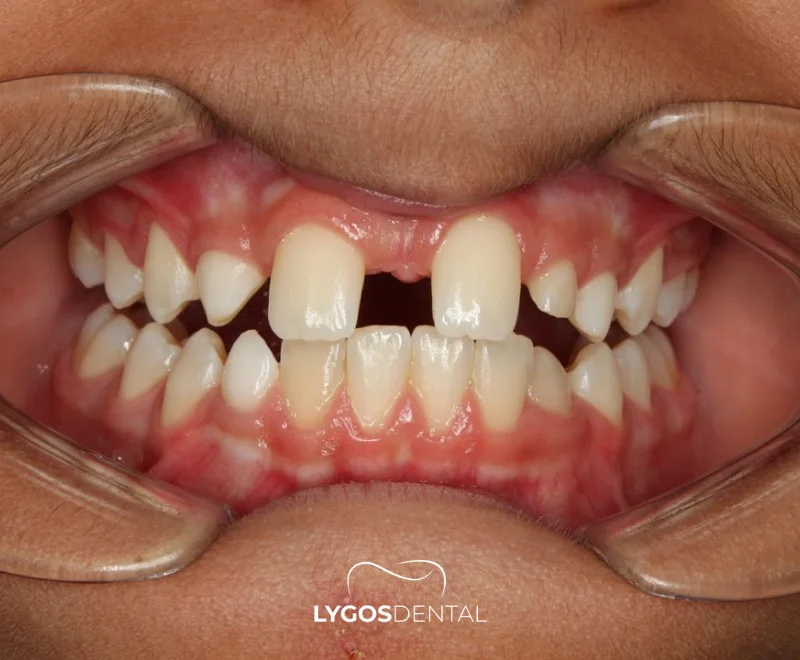
Table of Contents
Causes And Risk Factors
Anodontia is most often genetic. It can run in families or occur as part of a broader syndrome that affects ectodermal structures (such as hair, skin, sweat glands, and nails).
Potential contributors include:
- Genetic variants linked to tooth development (for example, EDA, WNT10A, PAX9, and MSX1).
- Syndromes such as ectodermal dysplasia.
- Less commonly, exposures during pregnancy that disrupt fetal development (for example, certain medications, radiation, or severe infections).
How Is Anodontia Diagnosed?
Diagnosis usually begins when tooth eruption is delayed or when teeth appear to be missing. A dentist confirms whether teeth are absent or simply unerupted using clinical and imaging findings.
- Dental examination to assess gums, spacing, bite, and jaw growth.
- Radiographic imaging (often a panoramic X-ray; sometimes CT/CBCT when detailed planning is needed).
- Genetic evaluation when a syndrome is suspected or there is a strong family history.

Treatment Methods For Anodontia
Treatment is individualized and depends on age, the number of missing teeth, jaw development, and overall oral health. Care is often coordinated between pediatric dentistry, orthodontics, prosthodontics, and sometimes medical genetics.
- Prosthetic treatment: removable partial dentures, complete dentures, or overdentures to restore function and appearance.
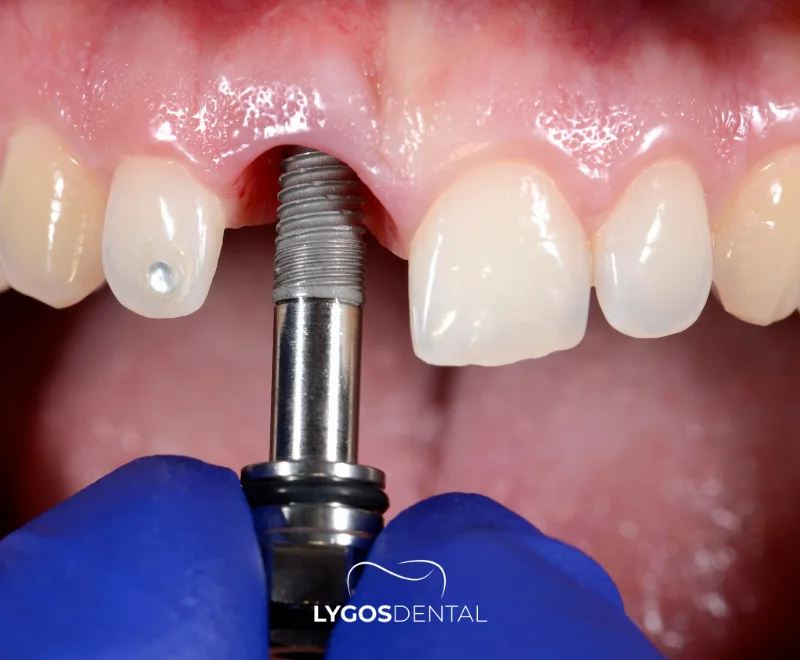
- Implant treatment: dental implants may be an option once jaw growth is appropriate and bone volume is sufficient.
- Orthodontic treatment: space management, bite correction, and support for prosthetic planning.
- Follow-up and adjustments: relines, remakes, or repairs may be needed over time—especially in growing patients.
- Genetic counseling: helpful for families when an inherited pattern is likely.
Anodontia FAQ
When is it too late to reverse gum disease?
It’s too late once periodontitis causes irreversible attachment or bone loss.
What is the best home remedy for gum disease?
Brushing twice daily and cleaning between teeth is the best home care for gum disease.
Can you repair receding gums?
Yes—receding gums can be repaired with periodontal treatment and gum graft surgery.
What toothpaste is good for receding gums?
A stannous-fluoride toothpaste helps reduce gingivitis and protect exposed roots.
Can I live a long life with gum disease?
Yes—with treatment and maintenance, gum disease can be controlled long-term.
How long do you have gum disease before teeth fall out?
Untreated periodontitis can lead to tooth loss over years to decades.