
What Is Good for Dry Mouth? | LYGOS DENTAL
What Is Good for Dry Mouth?
Dry mouth (xerostomia) usually improves by sipping water often, chewing sugar‑free gum or lozenges to stimulate saliva, and avoiding alcohol, tobacco, and alcohol-based mouthwash. Night-time dryness often improves with nose breathing and a bedroom humidifier. If symptoms last more than two weeks or you get frequent cavities, see a dentist or doctor.
Table of Contents
What Dry Mouth Is
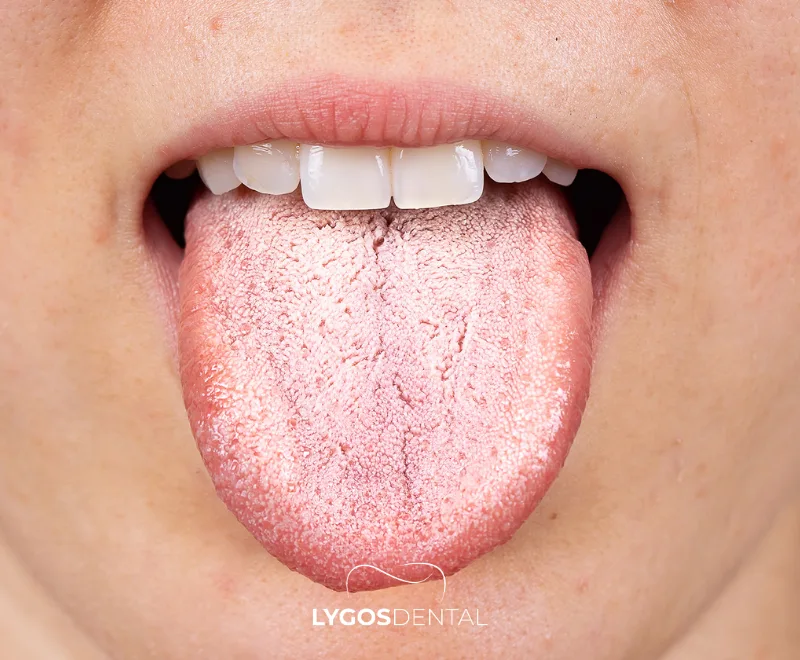
Dry mouth happens when your salivary glands do not make enough saliva to keep the mouth comfortably moist. Saliva supports swallowing, speech, and taste, and it also helps protect teeth and gums. Occasional dryness can happen to anyone, but ongoing dryness deserves a closer look.
Common Symptoms Of Dry Mouth
Dry mouth can feel mild or very disruptive. People often notice one or more of these signs:
- A sticky, dry, or cottony feeling in the mouth
- Frequent thirst or needing to sip water often
- Difficulty chewing, swallowing, or speaking for long periods
- Bad breath or a metallic/unpleasant taste
- Cracked lips or corners of the mouth
- A burning sensation on the tongue or throat
- More cavities, sensitive teeth, or inflamed gums
If dryness is new, persistent, or accompanied by dental problems, it helps to address the cause early.
Causes Of Dry Mouth
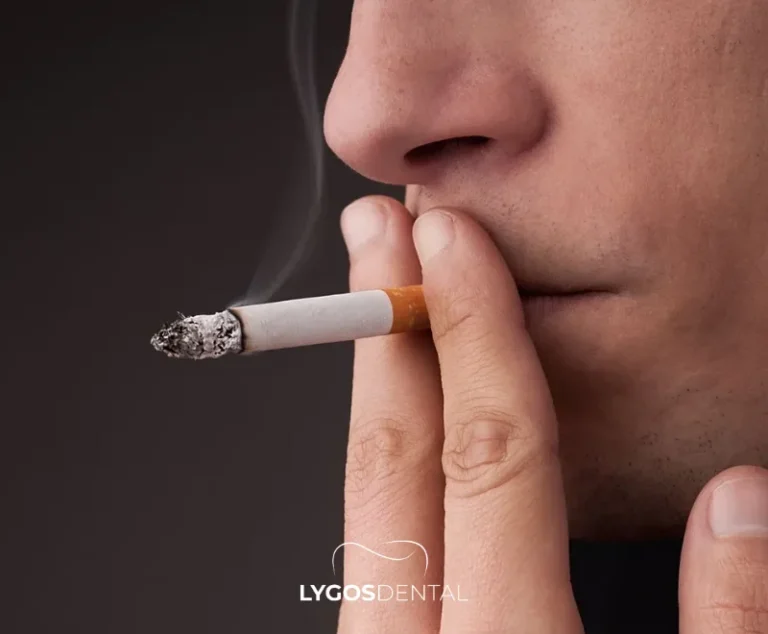
Dry mouth has many possible triggers. The most common are lifestyle factors and medication side effects, but some medical conditions can play a role too.
Everyday Triggers
- Not drinking enough fluids, especially during illness, hot weather, or exercise
- Alcohol, smoking, or vaping, which can reduce saliva and irritate oral tissues
- High caffeine intake (coffee, energy drinks, strong tea) for some people
- Dry indoor air, especially with heating in winter
- Stress and anxiety, which can temporarily reduce saliva flow
Medications
Many prescription and over‑the‑counter medicines can cause dry mouth. Common examples include some antidepressants, antihistamines, decongestants, pain medicines, and blood pressure drugs. Never stop a medication on your own—ask your clinician or pharmacist about alternatives or timing.
Mouth Breathing And Sleep
Waking up with a very dry mouth often points to mouth breathing during sleep. Nasal congestion, snoring, or sleep apnea can contribute, so treating the underlying issue can make a big difference.
Health Conditions
- Diabetes (especially when blood sugar is not well controlled)
- Sjögren’s syndrome and other autoimmune conditions that affect moisture glands
- Head and neck radiation therapy or certain chemotherapy medicines
What Is Good For Dry Mouth?
The best approach depends on what is causing the dryness. These options are widely used to improve comfort and protect oral health.
Hydrate In A Way That Works
- Sip water regularly instead of waiting until you feel very thirsty.
- Keep water at the bedside if you wake up dry at night.
- Limit sugary drinks, which can raise cavity risk when saliva is low.
Stimulate Saliva Safely
- Chew sugar‑free gum or suck on sugar‑free lozenges (xylitol is a common option).
- Choose products without added sugar to protect teeth.
- If sugar alcohols upset your stomach, reduce the amount or switch products.
Use Saliva Substitutes And Oral Moisturizers
Over‑the‑counter sprays, gels, rinses, and mouth moisturizers can coat and lubricate tissues when your own saliva is not enough. Look for alcohol‑free products labeled for dry mouth. A dentist can also recommend stronger options when symptoms are severe.
Upgrade Your Night Routine
- Run a humidifier in the bedroom if the air is dry.
- Breathe through your nose when possible; treat nasal blockage if it is keeping you mouth‑breathing.
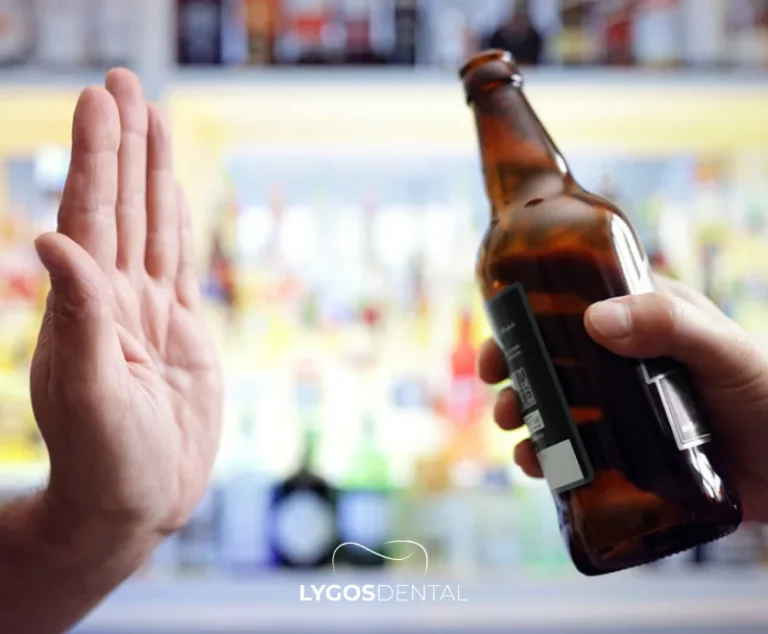
- Avoid alcohol close to bedtime, which can worsen dehydration and mouth breathing.
Protect Teeth And Gums
Low saliva makes teeth more vulnerable. Brush gently twice a day with fluoride toothpaste, clean between your teeth daily, and keep regular dental checkups. If you are prone to cavities, your dentist may recommend fluoride treatments or a high‑fluoride toothpaste.
Food And Drink Tips That Help
- Choose softer, moist foods (soups, stews, yogurt) when chewing feels difficult.
- Add sauces or gravies to meals to make swallowing easier.
- Limit very salty, spicy, or acidic foods if they sting or irritate.
- Try ice chips or sugar‑free frozen fruit pops for short-term moisture.
Natural Remedies: What Helps And What To Be Careful With
Some home remedies can improve comfort, but they work best as part of a bigger plan that also protects teeth.
- Warm, unsweetened herbal teas (such as chamomile or sage) can be soothing if they do not irritate you.
- A gentle, alcohol‑free rinse can freshen the mouth; avoid mouthwashes that contain alcohol.
- Oil pulling with coconut oil is sometimes used for comfort and oral hygiene, but it does not replace brushing, flossing, or dental care.
Daily Tips To Prevent Dry Mouth
- Drink water throughout the day, especially with meals
- Limit alcohol and caffeine if you notice they worsen dryness
- Avoid tobacco products
- Use lip balm to reduce cracking
- Address snoring or chronic nasal blockage so you can breathe through your nose at night
- See a dentist regularly, since dry mouth raises cavity risk
When To See A Doctor Or Dentist
Get checked if dry mouth is persistent, getting worse, or affecting eating and sleep. It is also worth an evaluation if you have frequent cavities, mouth sores, or dry eyes at the same time.
- Dryness lasting more than two weeks without a clear reason
- Painful cracks, ulcers, or persistent burning in the mouth
- Trouble swallowing or speaking comfortably
- Repeated tooth decay, gum disease, or oral infections
A clinician may review medications, check for dehydration or infections, and consider tests for conditions such as diabetes or Sjögren’s syndrome when symptoms point in that direction.
Need Personalized Help?
If dry mouth is affecting your comfort or you are noticing new cavities, a dental exam can help identify triggers and protect your teeth. Book an appointment to discuss tailored options, including fluoride protection and dry-mouth products.
FAQ
How can I quickly relieve dry mouth?
Sip water, chew sugar-free gum, use saliva substitutes, and avoid caffeine/alcohol.
How can I prevent my mouth from getting so dry?
Hydrate regularly, manage medications, treat nasal blockage, and use a humidifier.
What are the main causes of dry mouth?
Medications, dehydration, mouth-breathing, Sjögren’s, diabetes, radiation, and smoking.
What vitamin should I take for dry mouth?
No specific vitamin treats dry mouth; address causes and consider sugar-free saliva aids.
How can I prevent dry mouth at night?
Use a bedside humidifier, hydrate earlier, avoid alcohol, and treat snoring/mouth-breathing.