
What is Tooth Enamel?
What Is Tooth Enamel? Protection And Care
Tooth enamel is the thin, hard outer coating on your teeth. It shields the softer dentin and nerves from acid, temperature changes, and daily chewing. Enamel can’t regrow once it’s lost, so preventing erosion with fluoride, gentle brushing, and a lower-acid diet is the best way to keep teeth strong.
What Is Tooth Enamel?
Tooth enamel is the hard, protective layer that covers the crown (the visible part) of each tooth. It’s the hardest tissue in the human body, yet it can still wear down or erode over time.
Enamel is made mostly of minerals, mainly a calcium‑phosphate crystal called hydroxyapatite. Because enamel is slightly translucent, the color of the dentin underneath can influence how white or yellow a tooth looks.
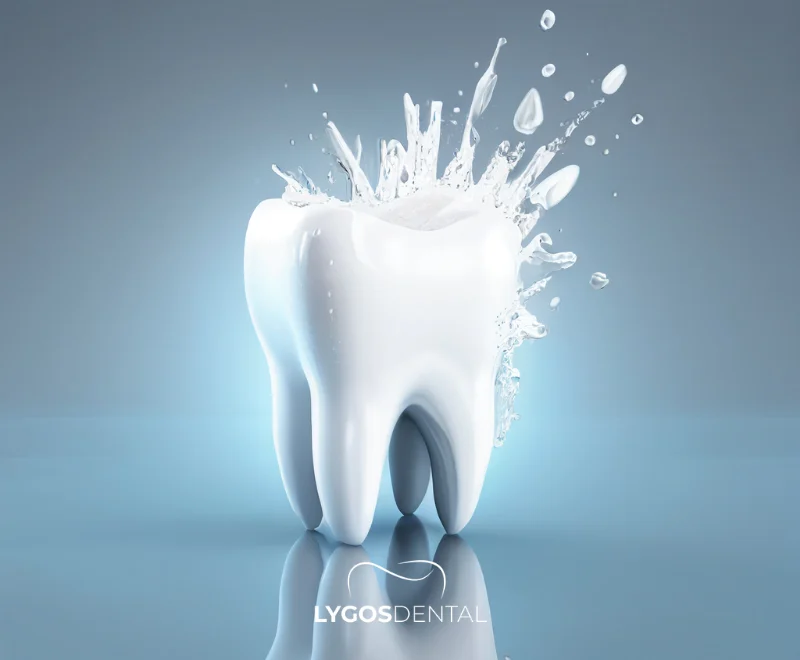
Table of Contents
What Does Tooth Enamel Do?
Enamel works like a shield. When it’s intact, it protects teeth during everyday eating and drinking and helps you avoid sensitivity and decay.
- Guards the inner tooth from acids produced by bacteria and from acidic foods and drinks
- Protects against temperature sensitivity (hot, cold, and sweet triggers)
- Supports chewing by reducing mechanical wear
- Helps teeth look brighter by covering the naturally yellow dentin layer
Signs Of Tooth Enamel Loss
Enamel loss often happens gradually, so early clues matter. Common signs include:
- New or increased sensitivity to hot, cold, or sweet foods and drinks
- A rough, worn, or “dull” feeling on the tooth surface
- Teeth looking more yellow as dentin becomes more visible
- Small chips, cracks, or edges that seem thinner than before
- Changes in tooth shape, such as flattening on biting surfaces
If you notice these changes, a dental exam can help identify the cause and stop further damage.
How To Prevent Tooth Enamel Erosion
Daily Care Habits
- Brush twice a day with a soft‑bristled toothbrush and fluoride toothpaste.
- Use gentle pressure. Scrubbing hard can wear enamel and irritate gums.
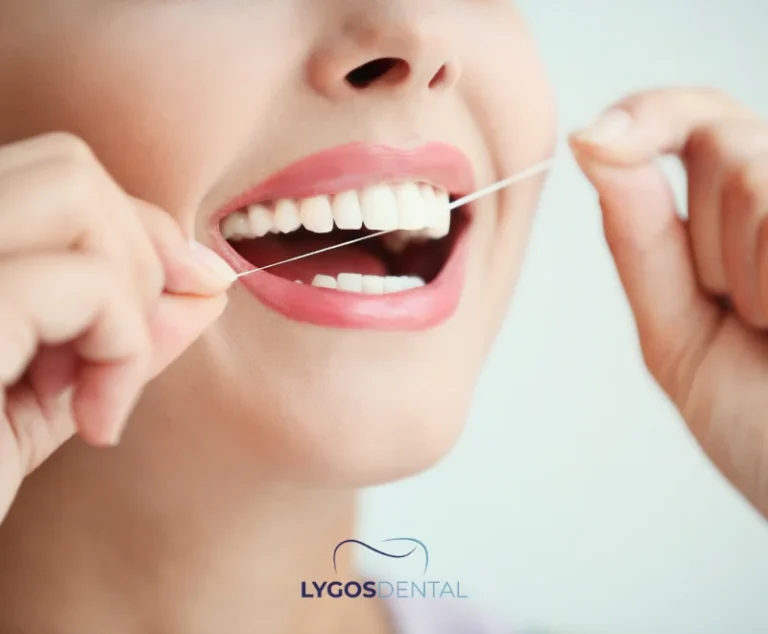
- Floss daily to remove plaque between teeth where a brush can’t reach.
- After acidic foods or drinks, rinse with water and wait 30–60 minutes before brushing.
Diet And Drink Choices
- Limit frequent sipping of soft drinks, sports drinks, and fruit juices. Frequency matters as much as quantity.
- Drink acidic beverages through a straw to reduce contact with teeth.
- Balance acids with enamel‑friendly foods, especially calcium‑ and phosphate‑rich options (milk, yogurt, cheese, leafy greens, nuts).
- Choose water between meals to help neutralize acids and support saliva flow.
Habits That Can Damage Enamel
- Avoid chewing ice, hard candy, or other hard objects that can chip enamel.
- If you grind or clench your teeth, ask about a custom night guard to reduce wear.
- Use whitening products carefully. Overuse can increase sensitivity, especially if enamel is already thin.
Dental Visits And Preventive Treatments
- Schedule regular check‑ups so enamel wear is spotted early.
- Ask your dentist about fluoride varnish or other remineralization options if you’re at higher risk for erosion or cavities.
- If you have dry mouth, reflux, or frequent vomiting, treat the underlying cause—these can speed up enamel erosion.
Can Tooth Enamel Erosion Be Treated?
Enamel doesn’t grow back once it’s lost, but early erosion can often be stabilized and the tooth can be strengthened. Fluoride treatments and targeted remineralization can help protect vulnerable areas and reduce sensitivity.
If enamel loss is more advanced, a dentist may recommend treatments that cover or rebuild the tooth surface, such as bonding (fillings), veneers, or crowns. If grinding is contributing to wear, a night guard can protect your teeth while you sleep.
Tooth Enamel FAQ
What is enamel protection for teeth?
Enamel protection means preventing demineralization and promoting remineralization, mainly with fluoride and habits.
What is the best enamel protection?
Fluoride toothpaste and minimizing acidic exposure provide the best proven enamel protection.
When is it too late to repair enamel?
It’s too late when enamel is worn away; only early demineralization can remineralize.
How to protect and restore teeth enamel?
Use fluoride, limit acids/sugar, brush gently, and get dentist-applied remineralization treatments.
Can I restore enamel on my teeth?
You can remineralize weakened enamel, but you cannot regrow lost enamel.
Is enamel coating healthy?
Dental enamel coatings like sealants/varnish are safe and effective when professionally applied.