
Why Do Tongue Sores Occur? | LYGOS DENTAL
Why Do Tongue Sores Occur?
Tongue sores usually occur when the tongue’s surface becomes irritated or inflamed—most often from accidental biting, sharp teeth, spicy or acidic foods, or canker sores. Less commonly, infections, vitamin B12/iron/folate deficiency, allergies, or autoimmune conditions play a role. A sore that doesn’t improve within two weeks should be checked.
Table of Contents
What Is A Tongue Sore?
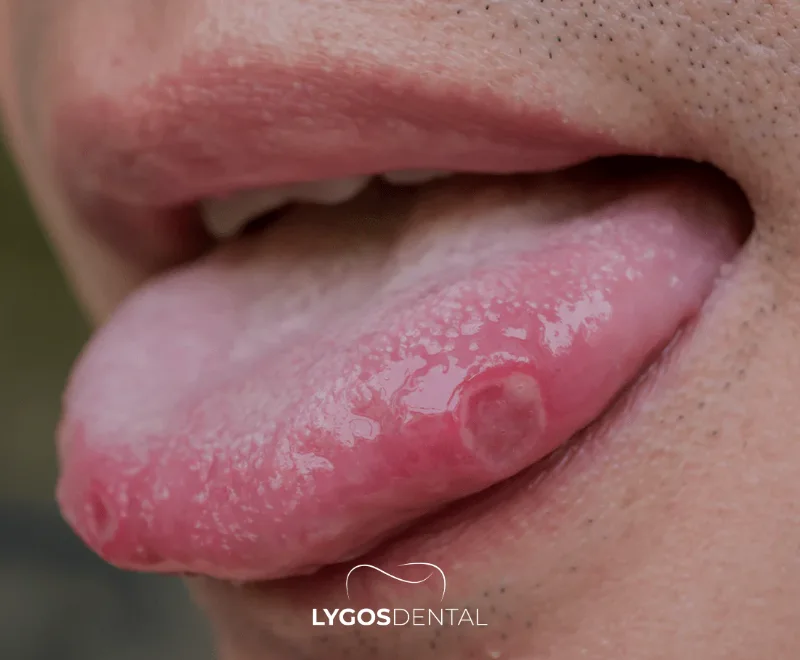
A tongue sore is a tender spot, ulcer, or inflamed area on the tongue that can sting or hurt, especially when you eat, drink, or speak. Some sores look like a small red patch, while others form a shallow crater (ulcer) with a white or yellow center. Many are harmless and temporary, but recurring or slow-healing sores can sometimes point to an underlying issue.
Common Causes Of Tongue Sores
Tongue tissue is sensitive and can react quickly to irritation. The causes below are the most common reasons people develop a painful sore on the tongue.
Minor Irritation And Trauma
Everyday injuries are a leading cause of tongue soreness. This includes biting your tongue, rubbing against a sharp tooth or filling, irritation from braces, or pressure from an ill‑fitting denture.
- Accidental biting during eating or sleeping
- Hard, sharp, or crunchy foods (chips, crusty bread)
- Burns from very hot foods or drinks
- Friction from dental appliances (braces, aligners, dentures)
Canker Sores (Aphthous Ulcers)
Canker sores are small, round or oval ulcers that can appear on the tongue and other soft tissues in the mouth. They are not contagious, but they can be very painful. Many cases heal on their own within about 7–14 days.
Common triggers include:
- Stress and poor sleep
- Minor mouth trauma
- Certain foods (especially acidic foods)
- Hormonal changes
- A family tendency to get canker sores
Food And Chemical Irritants
Spicy, acidic, or very salty foods can inflame the tongue’s surface and make small breaks in the tissue feel worse. Alcohol-containing mouthwashes and strong whitening products can also irritate sensitive mouths.
Infections (Viral, Fungal, Or Bacterial)
Some tongue sores are related to infections. Cold sores (herpes simplex) can cause painful blisters and ulcers in or around the mouth and may be contagious. Oral thrush (a yeast infection) can also cause soreness and a burning feeling, often with white patches.
If you suspect an infection, avoid sharing utensils, cups, or towels until you’re assessed.
Vitamin And Mineral Deficiencies
Low levels of vitamin B12, iron, or folate can affect the lining of the mouth and contribute to a sore or inflamed tongue. If tongue sores are frequent, a clinician may recommend blood tests to check for deficiencies.
Stress, Smoking, And Alcohol
Chronic stress can be linked to recurring mouth ulcers for some people. Tobacco and alcohol can irritate the oral tissues and slow healing, especially if sores keep returning.
Allergies And Sensitivities
Some people react to ingredients in toothpaste, mouthwash, or certain foods. Flavourings, strong detergents, and preservatives can trigger soreness or ulcer-like lesions in sensitive individuals.
Medical Conditions That Can Show Up In The Mouth
Recurrent tongue sores can occur with certain systemic conditions such as Behçet’s disease, coeliac disease, inflammatory bowel disease (Crohn’s disease), and lupus. These conditions usually come with other symptoms beyond the mouth, so a broader medical review may be needed if sores are persistent or frequent.
Symptoms You Might Notice

Tongue sores can look and feel different depending on the cause. Common symptoms include:
- A red, tender spot on the tongue
- A shallow ulcer with a white or yellow center
- Burning or stinging sensations
- Pain when eating, drinking, or speaking
- Swelling or a rough feeling on the tongue
- Changes in taste or increased sensitivity to certain foods
What Helps Tongue Sores At Home?
Most minor tongue sores improve with simple care and a little time. The goal is to reduce irritation, keep the area clean, and manage pain while the tissue heals.
Home care options include:
- Salt-water rinse (½ teaspoon of salt in a glass of warm water) 2–3 times a day
- Baking soda rinse to soothe irritation and balance oral pH
- A cold compress or sucking on ice chips to reduce discomfort
- A bland, soft diet for a few days (avoid spicy, acidic, and very hot foods)
- Gentle brushing and flossing; switch to a soft-bristled toothbrush if needed
Some people also find aloe vera gel or a small amount of honey soothing when applied to the sore. (Honey should not be given to children under 12 months.)
When To See A Dentist Or Doctor
Get professional advice if a tongue sore is severe, keeps coming back, or doesn’t improve as expected. A clinician can check for dental causes (like a sharp edge), signs of infection, and less common conditions that need treatment.
Seek an assessment sooner if you notice:
- A sore that lasts longer than two weeks
- Rapidly increasing size, significant swelling, or worsening pain
- Bleeding, numbness, or a hard lump in the tongue or neck
- Fever, rash, or difficulty swallowing
- Unexplained weight loss or persistent hoarseness
Medications and Treatments for Tongue Sores

Treatment depends on the underlying cause. After an exam, a dentist or doctor may recommend one or more of the options below.
- Protective gels or mouth rinses to reduce pain and irritation
- Topical steroid medications for painful canker sores (when appropriate)
- Antiviral medication if lesions are due to herpes
- Antifungal treatment for oral thrush
- Vitamin or iron supplementation if a deficiency is confirmed
- Adjusting or polishing a sharp tooth, filling, or denture edge that is repeatedly rubbing the tongue
- Low-level laser therapy in selected cases of recurrent ulcers (availability varies)
How To Prevent Tongue Sores
Not every tongue sore is preventable, but a few habits lower the odds of recurrence. Focus on reducing irritation and supporting good oral and general health.
- Keep up with regular dental checkups and cleanings
- Treat sharp teeth, rough fillings, or ill-fitting appliances promptly
- Limit spicy and acidic trigger foods during flare-ups
- Stay hydrated and consider a saliva-friendly routine if you have dry mouth
- Manage stress and prioritize sleep
- Avoid tobacco and limit alcohol
- Eat a balanced diet; ask about blood tests if you have repeated mouth ulcers
FAQ
What causes sores on your tongue?
Aphthous ulcers, trauma, infections, allergies, irritants, and nutritional deficiencies commonly cause tongue sores.
How can you get rid of tongue sores?
Rinse saltwater, avoid irritants, use topical anesthetic, and see a dentist if persistent.
How long do tongue sores usually last?
Most heal within 7–14 days; longer than two weeks needs evaluation.
How should I treat a tongue sore?
Use saltwater rinses, topical numbing gel, soft foods, and avoid spicy or acidic items.
Can stress cause sores on my tongue?
Yes, stress can trigger or worsen aphthous ulcers on the tongue.