
Aug 5, 2025
Does Tartar Cleaning Damage Tooth Enamel?
However, many people wonder: “Does Tartar Cleaning Damage Tooth Enamel?” In this article, we will explore…
A gluten-free diet can support gum health for people with celiac disease or gluten sensitivity by lowering systemic inflammation and improving nutrient absorption. It won’t replace brushing, flossing, or dental cleanings, and poorly planned gluten-free eating can cause deficiencies that irritate gums. Focus on whole foods and balanced minerals.
Gluten-free eating is essential for people with celiac disease and often helpful for those with non-celiac gluten sensitivity. It has also become common among people trying to reduce bloating, discomfort, or inflammation.
Diet changes can show up in the mouth quickly, since gum tissues react to inflammation, dry mouth, and nutrient gaps. Below is how a gluten-free diet may influence gum health—and where it can fall short.

A gluten-free diet essentially means completely eliminating gluten — a protein found in wheat, barley, rye, and their derivatives — from one’s meals. Gluten gives dough its elasticity and structure, particularly in baked goods like bread. However, some individuals experience negative reactions to gluten in their digestive system.
Celiac disease, for example, is an autoimmune condition in which consuming gluten triggers the immune system to damage the small intestine. For this reason, individuals with celiac disease, gluten intolerance, or sensitivity adopt a gluten-free diet. In recent years, however, many people have chosen this diet to feel healthier or to reduce inflammation in their bodies.
At this point, the effect of a gluten-free diet on gum health becomes significant because inflammation in the digestive system can manifest in other parts of the body — especially in the mouth.
Gluten can affect not only the digestive system but also the immune system and the mucous membranes in the mouth. Individuals with celiac disease, for instance, may experience mouth ulcers, canker sores, or weakened tooth enamel. In some cases, systemic inflammation linked to gluten exposure may contribute to gum inflammation.
Some studies have shown that people with gluten intolerance are more likely to experience gum recession, bleeding, and dry mouth. The primary reason is that gluten can disrupt the balance of gut flora, leading to immune system irregularities. When the immune system is weakened, the gums become more vulnerable to bacterial infection.
Thus, the effect of a gluten-free diet on gum health is not only due to the absence of gluten itself but also due to the reduction of overall inflammation in the body. In other words, a gluten-free diet can indirectly support gum health.
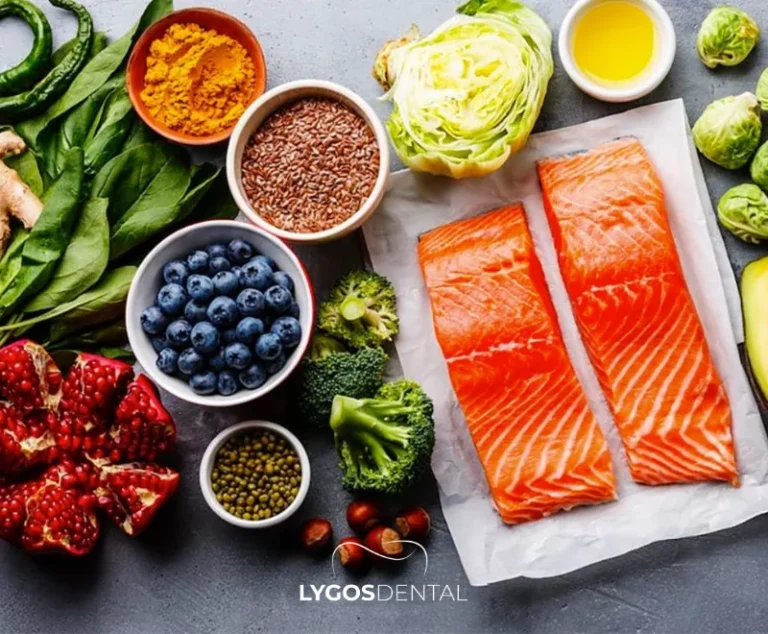
The impact of a gluten-free diet on gum health can be explained through several mechanisms.
• Anti-inflammatory benefits: A gluten-free diet often has anti-inflammatory effects. When systemic inflammation decreases, the risk of gingivitis (gum inflammation) and periodontitis (advanced gum disease) may also decline.
• Nutrient-rich foods: Gluten-free diets usually emphasize fresh vegetables, fruits, and healthy fats while avoiding processed foods. These foods are rich in antioxidants, which support gum tissue regeneration. Vitamins C and K, as well as omega-3 fatty acids, are particularly beneficial for gum health.
• Improved gut and immune health: When a gluten-free diet improves gut health, it helps stabilize the immune system. A balanced immune system can better defend the gums against bacterial infections. Therefore, the effect of a gluten-free diet on gum health is closely tied to overall body health and balance.
If not followed correctly, a gluten-free diet can lead to nutritional deficiencies. Essential nutrients such as B vitamins, iron, calcium, and zinc — all important for gum health — might be insufficient. For this reason, maintaining a balanced diet is crucial to ensure that the effect of a gluten-free diet on gum health remains positive.
Here are some key points to keep in mind:
By following these guidelines, the positive effect of a gluten-free diet on gum health can be maximized.

Oral hygiene is just as important as nutrition for those who follow a gluten-free lifestyle, as dietary changes can alter the oral microbiome. To fully experience the benefits of a gluten-free diet on gum health, the following oral care habits are recommended:
These simple but effective routines can make the gum health benefits of a gluten-free diet more lasting.
Answer: Yes — but it depends on individual circumstances.
For people with celiac disease or gluten sensitivity, a gluten-free diet can make a noticeable difference in gum comfort and inflammation. When a trigger for chronic immune activation is removed, gums may bleed less and feel less tender. Improved intestinal absorption can also help the body use nutrients that support the gums.
Adopting a gluten-free diet as a trend—without planning—can create problems. Nutrient gaps may weaken gum tissue and slow healing. If you’re going gluten-free for health reasons, it helps to check in with a dietitian and keep routine dental visits on schedule.
Overall, research suggests that a gluten-free diet may reduce inflammation and support gum tissue health—especially for people who react negatively to gluten. Results vary from person to person. A nutrient-rich gluten-free diet, paired with consistent oral hygiene and regular checkups, offers the most reliable support for healthy gums.
A healthy smile is not only the result of proper brushing — it also begins with proper nutrition.
Contact us to book an appointment and ask about cosmetic dentistry, crowns, implants, or general dental care. If you’re following a gluten-free diet, we can also help you tailor an oral-care routine that fits your needs.
Yes, in celiac/gluten sensitivity it can worsen oral inflammation via immune reactions and deficiencies.
Vitamin C–rich fruits, leafy greens, omega-3 fish, and adequate protein support gum healing.
If you’re not gluten-sensitive, stopping gluten may not help and can reduce nutrients.
Rarely; most dental materials are gluten-free, but some flavorings/pastes may contain gluten.
Sugary drinks, refined carbs, sticky sweets, and frequent snacking worsen plaque and gum inflammation.
Because unnecessary gluten avoidance can cause deficiencies and complicate accurate celiac disease testing.
Only for celiac disease or gluten sensitivity; otherwise whole-grain gluten foods are healthy.
