
Aug 11, 2025
How to Prevent Gum Recession in Smokers
So, how can gum recession in smokers be prevented? In this article, we will examine in…
Probiotics are beneficial microorganisms that can help balance the bacteria in your mouth. Research suggests certain strains may reduce plaque buildup, gum bleeding, and inflammation, and may support fresher breath when used alongside daily brushing, flossing, and professional cleanings. They are supportive tools, not a replacement for dental treatment when gum disease is present.

Probiotics are live microorganisms that, when taken in adequate amounts, can provide health benefits. Most probiotics used in supplements and fermented foods belong to groups such as Lactobacillus and Bifidobacterium. Because the mouth has its own microbiome, oral probiotics are studied for how they influence the balance between helpful and harmful bacteria.

Gum problems often start when plaque builds up and triggers inflammation. Probiotics may support gum health by shifting the oral environment in a direction that is less favorable for disease-causing bacteria. Effects vary by strain, product format, and a person’s baseline oral health.
Gingivitis is early-stage gum inflammation and is typically reversible with plaque control and professional guidance. Several clinical trials have tested probiotics as an add-on to routine oral hygiene, with Lactobacillus reuteri among the most studied strains for reducing plaque and gum bleeding. For periodontitis (a deeper infection that affects supporting tissues), research is mixed: some reviews find small improvements when probiotics are used alongside scaling and root planing, while others report short-lived or inconsistent benefits.
If you have persistent bleeding, gum recession, loose teeth, or bad taste, treat that as a dental issue first. Probiotics can be considered supportive, but they do not replace diagnosis, professional cleaning, or any prescribed periodontal therapy.
Not all probiotics behave the same way in the mouth. The strain (the full name on the label) matters more than the broader species name. Below are strains and species commonly discussed in oral-health research.
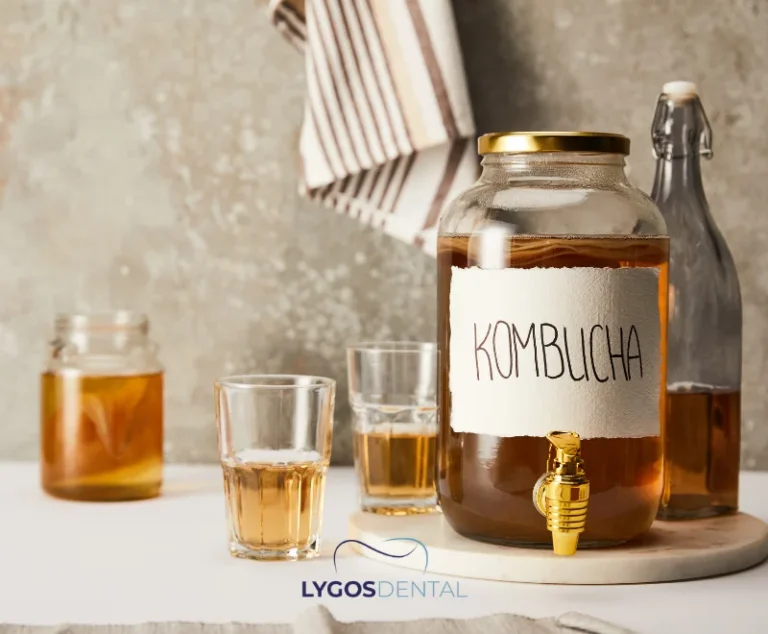
Fermented foods can provide live cultures, though the types and amounts vary by brand, storage, and processing. They can be a practical way to support overall microbial diversity, especially when paired with a balanced diet.
For oral health, product format matters. Lozenges, chewables, or oral rinses designed for the mouth may have a more direct local effect than foods that are swallowed quickly.
A supplement may be worth discussing with a dentist or physician if you struggle with plaque control despite good technique, have recurring gingivitis, or notice breath issues that persist after improving brushing, flossing, and tongue cleaning. Some people also consider probiotics after antibiotics, since antibiotics can temporarily disrupt microbial balance.
Choose products that clearly list strains, CFU count, and recommended use, and that are intended for oral application when the goal is gum support. Be cautious with vague labels that list only broad species names without strains.
Probiotics are generally well tolerated for healthy adults, but they are not appropriate for everyone. People who are immunocompromised, critically ill, or who have certain medical devices should seek medical advice before using probiotic supplements.
L. reuteri DSM17938/PTA5289 and S. salivarius M18/K12 have strongest clinical evidence.
Best-studied strains are L. reuteri DSM17938/PTA5289 and S. salivarius K12 for halitosis.
Reviews show modest, strain-specific, short-term improvements in plaque, gingivitis, and halitosis.
Adjunct probiotics can slightly improve gingival inflammation/bleeding, but don’t replace periodontal therapy.
Trials and meta-analyses report small benefits; long-term clinical outcomes remain uncertain.

So, how can gum recession in smokers be prevented? In this article, we will examine in…
This article will explore the impact of rheumatic diseases and oral health in a comprehensive manner..
 Blog
Blog
How Much Does It Cost To Get Teeth Done In Turkey? Most people travel to Turkey…