
Nov 5, 2025
Smile Aesthetics Prices 2026 | LYGOS DENTAL
So, how much are Smile Aesthetics Prices in 2025? What factors determine these prices? What methods…
Sugary foods feed plaque bacteria, which quickly make acids that soften tooth enamel. Each sugary snack triggers an acid attack for about 20 minutes, and repeated snacking keeps enamel under stress. Over time this can lead to thinning, sensitivity, and cavities. Limiting frequency and using fluoride helps protect enamel.
Oral health affects comfort, diet, and confidence. Sugar isn’t the only reason teeth decay, but frequent sweet snacks and drinks give mouth bacteria steady fuel. When that happens, enamel spends more time under acid attack, making cavities and sensitivity more likely.
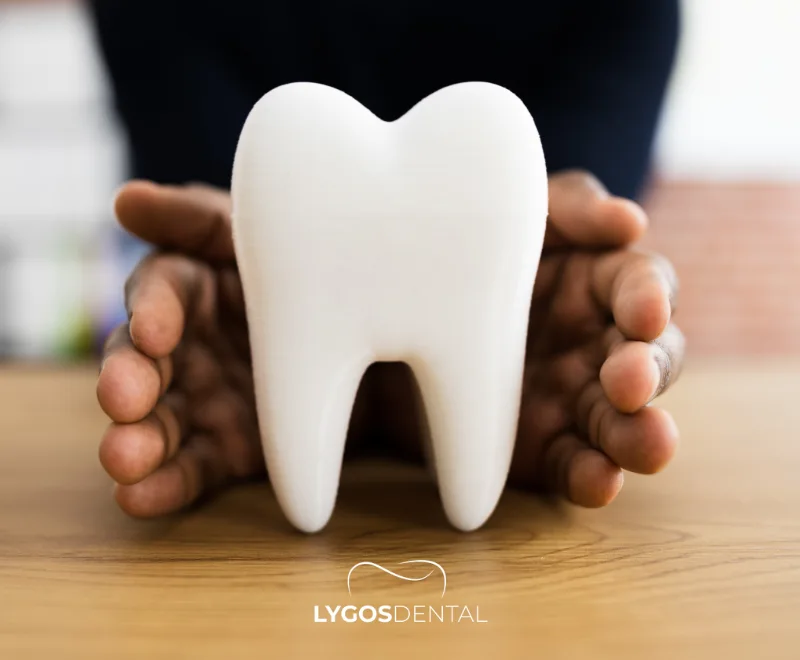
Tooth enamel is the outer protective layer of each tooth and the hardest tissue in the human body. It shields the softer dentin underneath from daily wear, temperature changes, and acids in the mouth. Enamel is strong, but it isn’t living tissue, so it can’t grow back once it is lost.
Sugar itself doesn’t “burn” teeth. The problem starts when sugars and refined starches sit in plaque, allowing bacteria to produce acids. Those acids pull minerals out of enamel (demineralization), leaving it softer and easier to wear down.
Each time you eat or drink something sugary, acid levels rise for roughly 20 minutes. If you sip or snack all day, enamel has little time to recover between attacks. Keeping sweets to mealtimes and cutting down on “little bites” often makes a bigger difference than perfect willpower.
Sticky foods like caramels, gummies, and dried fruit can cling to teeth and feed plaque for longer. Sugary drinks, including soda, energy drinks, and sweetened coffee, are risky because people tend to sip them slowly. A straw, drinking in one sitting, and following with water can reduce contact time.

Enamel wear can happen gradually, so the early signs are easy to miss. If you notice any of the changes below, a dentist can check whether enamel loss, decay, or grinding is involved.
You don’t need a perfect diet to protect enamel. The goal is to lower how often teeth are exposed to sugar and acid, and to strengthen enamel with fluoride and good daily habits.
Right after you’ve had something sweet, your enamel is more vulnerable. A few simple steps help neutralize acids and clear sugars before you brush.
If the snack or drink was acidic (for example, soda, citrus, or sour candy), avoid brushing straight away. Waiting at least 30 minutes gives saliva time to buffer acids and lets enamel reharden. If you can’t wait that long, rinse with water first and brush gently.
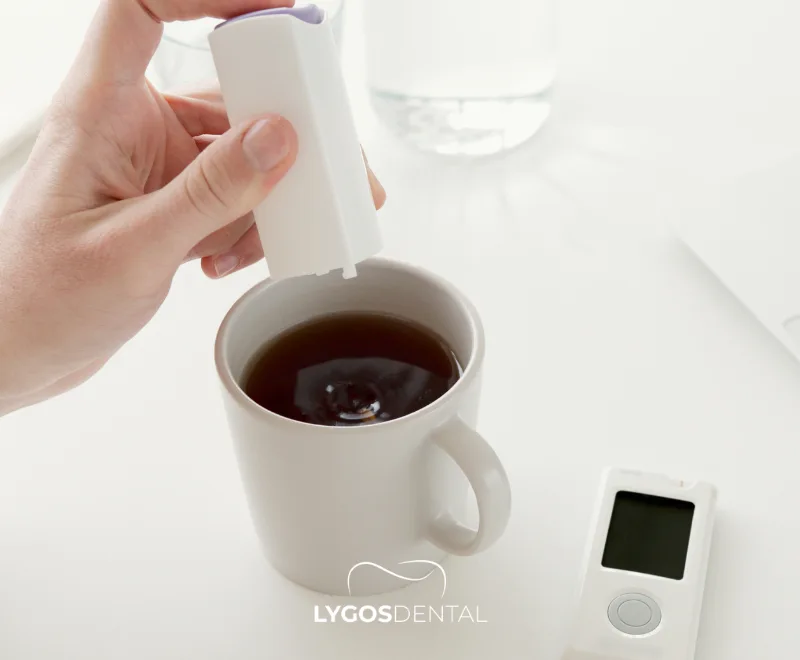
No sweetener is completely “tooth-proof,” but some choices are less likely to feed acid-producing bacteria. Texture matters too: sticky foods tend to linger on teeth.
Sugary foods can damage tooth enamel over time, mainly when they’re eaten or sipped frequently. The good news is that small changes—fewer sugary “moments” in the day, smart timing around brushing, and consistent fluoride use—can make a real difference. If you’re dealing with sensitivity, visible wear, or frequent cavities, ask your dentist about tailored prevention and enamel-strengthening options.
Sugary foods feed plaque bacteria, which produce acids. Those acids pull minerals from enamel and make it softer, increasing the risk of erosion and cavities. Frequent snacking keeps the cycle going.
Acid levels can rise within minutes of eating or drinking sugar and stay elevated for around 20 minutes. Every new snack or sip restarts the process, which is why frequency matters so much.
All sugars can be used by plaque bacteria. Whole fruit is usually less of a problem than sweets because it contains water and fiber and is typically eaten faster. Dried fruit and fruit juices are more likely to stick to teeth or be sipped slowly.
Lost enamel doesn’t regrow, but early weakening can sometimes be stabilized through remineralization. Fluoride toothpaste, saliva, and dentist-recommended treatments can help strengthen remaining enamel and slow further loss.
