
Jul 22, 2025
Emax or Zirconium on Implants
Should you choose Emax or Zirconium for implant restorations? In this article, we will compare the…
Stress can affect your teeth and gums by increasing jaw clenching, reducing saliva, and making the immune response less effective. It can also lead to skipped brushing, more sugary snacks, and more frequent mouth sores. Over time, this may cause sensitivity, cavities, gum bleeding, and jaw pain. Stress control and consistent dental care help protect your smile.
Stress is part of modern life, but its impact isn’t limited to sleep, mood, or blood pressure. Your mouth often shows the effects early, sometimes before you notice anything else.
From teeth grinding to dry mouth, stress can create conditions that make cavities, gum irritation, and mouth sores more likely. Knowing what to watch for helps you protect your dental health even during busy or difficult periods.
When you’re stressed, your body releases stress hormones such as cortisol and activates the “fight-or-flight” response. This can influence inflammation and how well your immune system responds to bacteria in the mouth.
Stress also changes daily routines. People often brush and floss less carefully, snack more frequently, or reach for sugary drinks. Those habit shifts, combined with dry mouth or jaw clenching, can accelerate dental problems.

Stress can contribute to several oral health issues. These are the most common problems dentists see when stress levels run high:
Many people grind or clench their teeth during sleep or while concentrating. Over time, this can wear enamel, cause cracks, trigger headaches, and lead to jaw or TMJ pain.
Ongoing stress may make gums more sensitive to plaque and inflammation. If brushing and flossing slip, gingivitis can progress and gum pockets may deepen.
Stress and anxiety can reduce or change saliva flow. With less saliva to wash away food and neutralize acids, bad breath and cavities become more likely.
Stress can be a trigger for canker sores, and it can also contribute to cold sore flare-ups in people who carry the virus. Sores may feel more painful and take longer to settle when you’re run down.
Cavities become more likely when dry mouth, frequent snacking, and inconsistent brushing happen at the same time. Early decay may show up as sensitivity, rough spots, or dark areas on a tooth.
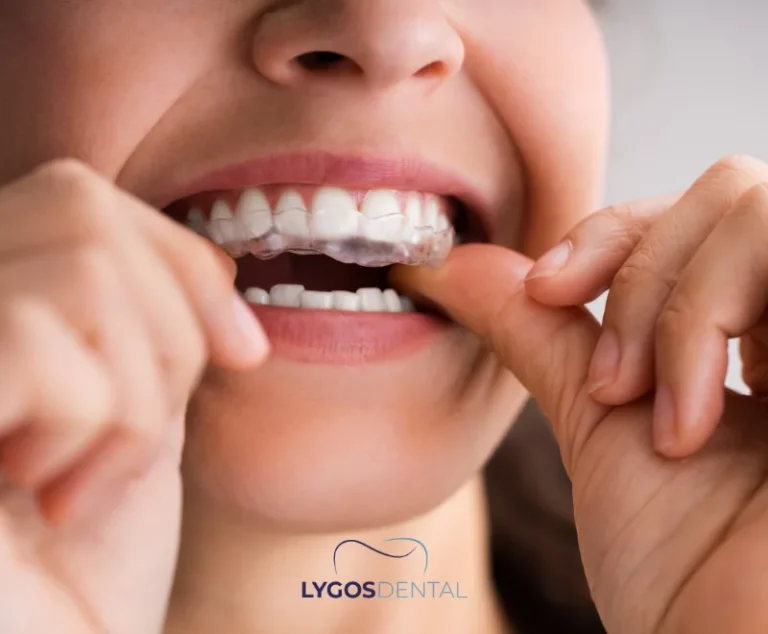
You don’t need a perfect routine to protect your teeth—you need a consistent one. These steps make a real difference during stressful seasons:
Canker sores are small ulcers that form inside the mouth. They are not contagious, but they can be painful—especially with spicy or acidic foods.
Cold sores usually appear on or around the lips and are linked to the herpes simplex virus. Stress, illness, and sun exposure can all contribute to flare-ups.
If sores are frequent, unusually large, or last longer than two weeks, it’s worth getting checked. Your dentist can help rule out irritation from braces, nutritional issues, or other causes.
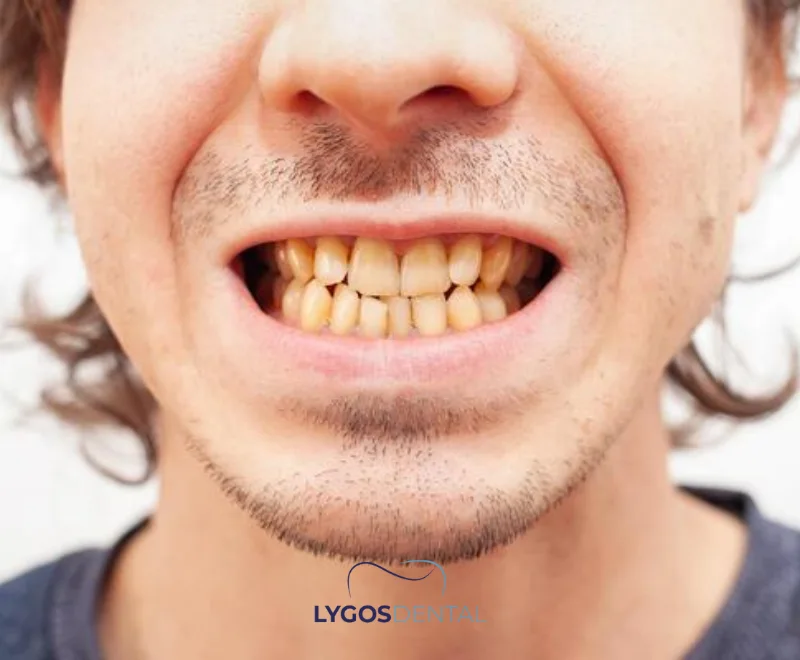
Stress-related grinding can flatten biting edges and create tiny cracks that trap stain. Dry mouth can also make plaque build up faster, which may dull the look of teeth.
If you’re seeing more yellowing, focus on hydration, daily plaque removal, and limiting frequent sipping of coffee, tea, or soda. Your dentist can recommend safe whitening options if needed.
Simple habits that lower stress can reduce clenching and help you stick to oral care. Aim for small, repeatable routines rather than big lifestyle overhauls.
Make an appointment if you notice any of the following:
If you’d like support with cosmetic dentistry, dental crowns, dental implants, or general dentistry, reach out to our team to schedule a visit.
Yes; stress increases bruxism, dry mouth, gum inflammation, and cavity risk.
Treat with nightguard, stress management, jaw therapy, sleep optimization, and dental bite correction.
Signs include morning jaw pain, headaches, tooth wear, cracks, and partner-reported grinding sounds.

Should you choose Emax or Zirconium for implant restorations? In this article, we will compare the…
 Blog
Blog
Learn about smile design, its benefits, procedures, costs, and aftercare tips. Explore how smile design can…
However, the differences between implants and dental bridges must be well understood so that patients can…