
Mar 6, 2025
How to Perform Tartar Cleaning?
Therefore, understanding how to remove tartar is essential. So, how does tartar form, and how to…
Hard toothbrushes can look like they clean better, but stiff bristles combined with heavy pressure often do more harm than good. They can wear down enamel at the gumline, irritate and injure gum tissue, and increase tooth sensitivity over time. For most people, a soft-bristled brush used gently is the safer everyday option.
Oral hygiene supports overall health, but the tools you choose matter as much as how often you brush. Hard-bristled toothbrushes are designed for specific situations, yet many people use them daily because they feel “stronger.” When a hard brush is paired with forceful brushing or an abrasive toothpaste, it can slowly damage teeth and gums.
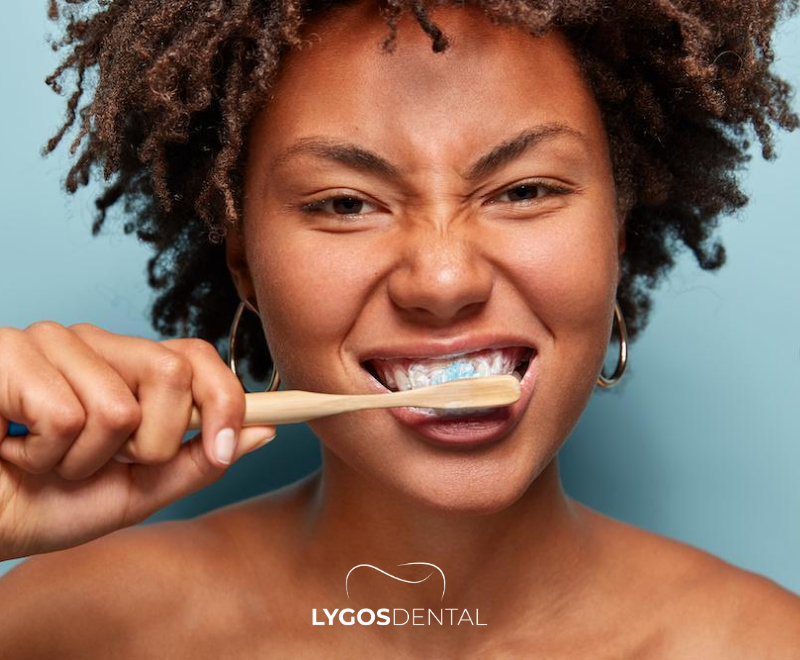
A hard toothbrush has dense, stiff bristles that do not flex easily. Dentists may recommend one for targeted, short-term tasks, such as cleaning certain prosthetic surfaces, orthodontic appliances, or areas where plaque control is difficult. It is not a default choice for routine daily brushing for most natural teeth and gums.
The common belief that “harder cleans better” is misleading. Plaque removal depends more on technique, time, and reaching the gumline gently than on bristle stiffness.
Yes, it can contribute to tooth surface wear, especially near the gumline where enamel is thinner and root surfaces may be exposed. With repeated heavy pressure, stiff bristles can increase abrasion and lead to non-cavity wear (sometimes seen as notches at the neck of the tooth). Because enamel does not grow back, this kind of wear is cumulative.
As enamel thins, teeth may look more yellow, feel sensitive to cold or heat, and become more prone to chipping at weakened areas. If the wear reaches dentin, sensitivity often increases and restorative treatment may be needed.
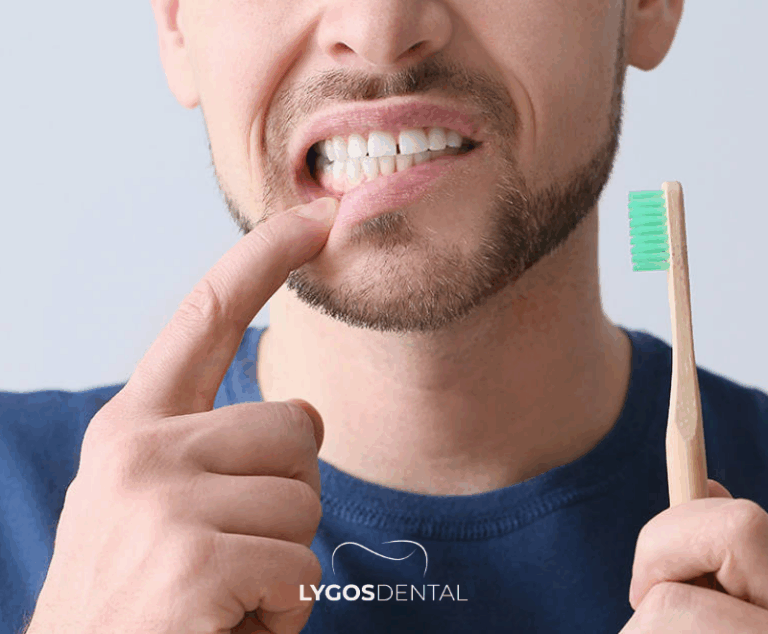
Gum tissue is delicate, and repeated scrubbing with stiff bristles can cause irritation, small abrasions, and gradual recession. Recession exposes the tooth root, which is softer than enamel and more vulnerable to wear and sensitivity. It can also make teeth look longer and create spaces that trap plaque.
Gum recession has many causes, including genetics, inflammation from gum disease, and poor brushing technique. A hard toothbrush can speed up the process when brushing is aggressive.
If you notice rough gumline notches, persistent sensitivity, or bleeding right after brushing, your brush and technique should be reassessed. These signs are often easier to address early than after significant tissue loss.
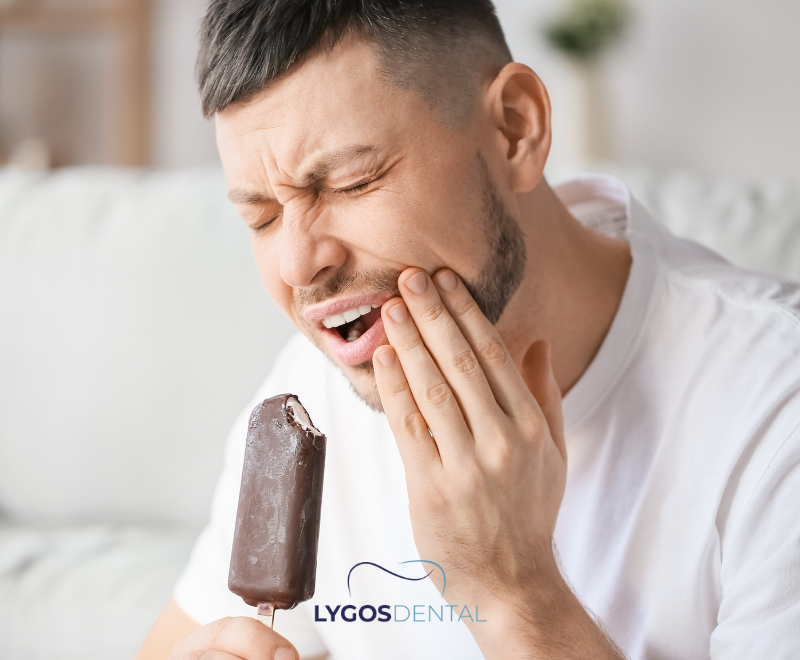
Short-term discomfort can be easy to ignore, but long-term brushing trauma may lead to chronic sensitivity and progressive gum recession. As roots become exposed, they are more likely to wear down and develop decay. In advanced cases, restoring function and aesthetics can require fillings, gum grafting, or other periodontal treatment.
For most adults and children, dentists commonly advise a soft-bristled toothbrush for daily use. Medium bristles may be suitable for some people with good technique, but hard bristles increase the risk of abrasion when pressure is high.
A hard toothbrush may be appropriate only when a dentist recommends it for a specific reason, and typically for limited use. If you have gum recession, enamel wear, sensitivity, or a history of abrasion, a hard brush is rarely the best choice. When in doubt, ask your dentist or hygienist to demonstrate the right brush and technique for your mouth.
If you have sensitivity, gum recession, or signs of brushing abrasion, a dental exam can identify the cause and the best next step. Contact us to learn more about Cosmetic Dentistry, Dental Crowns, Dental Implants, and General Dentistry, or to schedule an appointment.
Soft brushing is better; use gentle pressure to clean without damaging gums.
Yes, brushing too hard can wear enamel and irritate gums, causing recession.
A soft-bristled, small-head toothbrush (manual or electric) is healthiest for most people.
Dentists most often recommend soft-bristled brushes; oscillating-rotating electric models can be very effective.
Yes, hard brushing worsens gum recession by traumatizing gum tissue and abrading roots.
