
Feb 11, 2025
Chrissy Teigen Dental Aesthetics | LYGOS DENTAL
When it comes to beauty and aesthetics, Chrissy Teigen Dental Aesthetics has long been a trendsetter.…
Rheumatic diseases can increase gum inflammation, dry mouth, jaw pain, and the risk of tooth loss. The same oral infections—especially periodontitis—may also raise systemic inflammation and aggravate autoimmune disease activity. With daily plaque control, dry-mouth prevention, and coordinated dental–rheumatology care, most patients can protect their teeth and comfort.
Rheumatic diseases are often driven by an overactive immune response that causes ongoing inflammation. Depending on the diagnosis, inflammation may involve joints, connective tissue, blood vessels, and internal organs. Common examples include:
Oral symptoms vary by condition and by treatment plan. Even when the mouth feels “fine,” low-grade gum inflammation or dry mouth can quietly raise the risk of decay and tooth loss over time.
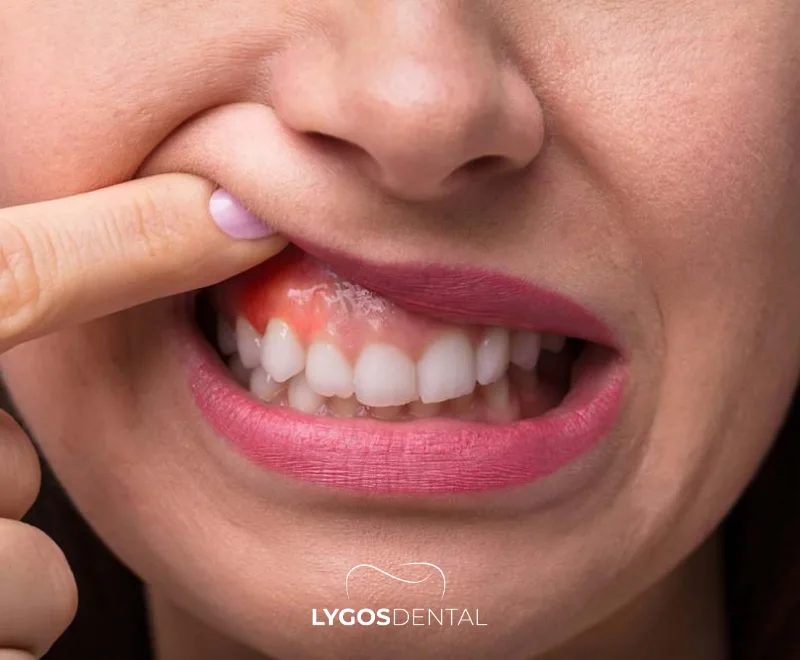
People living with rheumatic disease may find oral hygiene harder during flares, especially if hand or wrist pain limits brushing and flossing. Some medications can also change the mouth’s natural balance of saliva and microbes. Common issues include:
These problems can affect nutrition, sleep, and confidence. They also deserve attention because untreated gum disease can contribute to systemic inflammation.
RA can involve the temporomandibular joint (TMJ), which helps the mouth open and close. Inflammation in this joint may cause aching, stiffness, clicking, or difficulty opening wide. During flares, chewing tougher foods can become uncomfortable.
Research shows higher rates of periodontitis in people with RA compared with the general population. Gum disease can progress faster when inflammation is uncontrolled or when daily plaque removal is difficult. Over time, advanced periodontitis can lead to loosening teeth and tooth loss.
The relationship can work both ways. Periodontitis is a chronic infection and inflammation of the tissues that support the teeth, and it can raise inflammatory markers throughout the body. In RA, periodontal bacteria and the immune response they trigger are being studied for their potential role in increasing disease activity.
For some patients, treating gum disease may help reduce the overall inflammatory burden. It is not a replacement for rheumatology care, but it can support better disease control and may improve comfort in the mouth.

Small changes to daily routines can make oral care more comfortable and more effective. Aim for consistency rather than perfection, especially during flares.
Plan routine dental checkups at least every six months, or more often if you have active gum disease or severe dry mouth. Let your dental team know your diagnosis, current medications, and any recent changes in treatment.

Many rheumatic medications reduce inflammation by calming the immune system. That benefit can come with oral side effects, so it helps to spot problems early and address them promptly.
Before any invasive dental procedure, tell your dentist about your medications and your rheumatologist’s contact details. Dental and rheumatology teams can coordinate the safest timing for procedures and decide whether any medication adjustments are needed.
Contact a dentist or clinician if you notice any of the following:
If you are managing a rheumatic condition and have concerns about gum health, dry mouth, or jaw discomfort, a dental assessment can help clarify the cause and prevent avoidable complications. Contact us to book an appointment for cosmetic dentistry, crowns, implants, or general dentistry services.
They can increase the risk. Chronic inflammation, dry mouth, and difficulty with brushing or flossing during flares can make gingivitis and periodontitis more likely. Early dental care and consistent plaque control reduce the chances of progression.
Focus on daily plaque removal, fluoride protection, and dry-mouth prevention. Keep regular dental visits and tell your dentist about medication changes, flares, and any new mouth symptoms so issues are treated early.
Gum disease can raise systemic inflammation, which may aggravate inflammatory conditions in some people. Treating periodontitis helps reduce the inflammatory burden and supports overall health, alongside medical treatment.
A fluoride toothpaste is a solid baseline. If you have sensitivity, choose a sensitivity-focused fluoride toothpaste. For significant dry mouth, ask your dentist about remineralizing products, higher-fluoride toothpaste, and moisturizing formulations designed for xerostomia.
