
Apr 28, 2025
How To Find A Pediatric Dentist Near Me?
So, the big question is, How To Find A Pediatric Dentist Near Me? In this blog,…
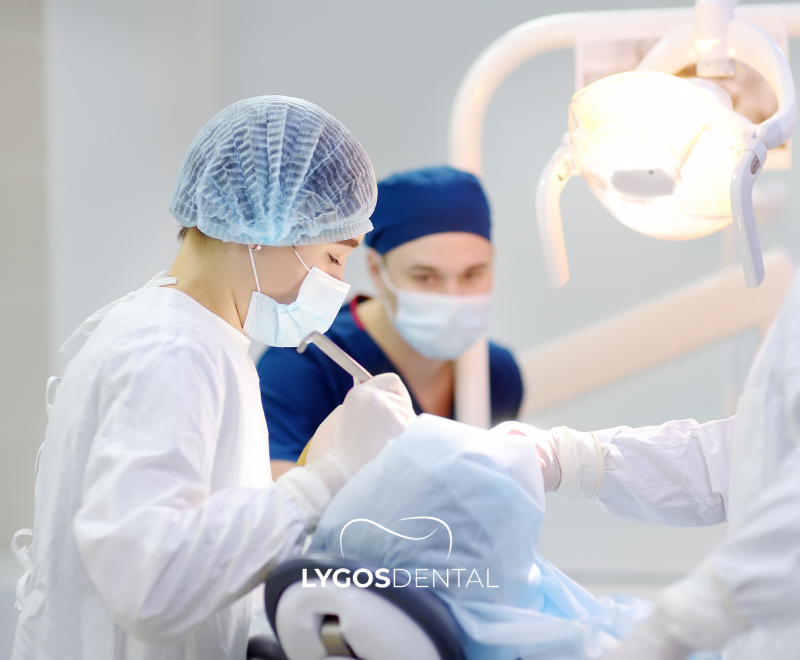
After dental aesthetic procedures, your results depend on smart aftercare: protect the treated area, choose soft foods, keep oral hygiene gentle, and manage sensitivity early. Avoid hard or sticky foods, smoking, and skipping follow-ups. Contact your dentist promptly for persistent pain, swelling, bleeding, or loose restorations.
Dental aesthetic procedures improve the look of teeth and gums while often supporting function. Common options include teeth whitening, veneers, crowns, gum contouring, dental implants, and orthodontic treatments such as clear aligners.
Even when the goal is cosmetic, these treatments can help with bite balance, tooth protection, and easier cleaning. Knowing what was done in your case makes aftercare simpler and reduces the risk of accidental damage during healing.
Post-treatment care protects both your comfort and the longevity of your dental work. Ignoring instructions can increase the chance of infection, prolonged irritation, or early failure of restorations.
Good aftercare supports proper tissue healing after procedures such as gum contouring or implant placement. It also helps veneers and crowns bond and settle as intended, reducing the likelihood of costly repairs later.
Stick to soft, lukewarm foods and drink plenty of water. If you have numbness from anesthesia, chew slowly and avoid biting your cheek or tongue.
Avoid hard, crunchy, or sticky foods that can stress new restorations or irritate healing gums. Very hot or very cold drinks can worsen sensitivity, especially after whitening or enamel shaping.
Limit stain-causing items such as coffee, tea, red wine, and deeply colored sauces if you have whitening or new bonding. If you do consume them, rinse with water afterwards.
Choose foods that are easy to chew and support healing, such as yogurt, eggs, soups, well-cooked vegetables, and soft fruits. If chewing is uncomfortable, smoothies can be useful, but avoid using a straw after extractions or implant surgery.
Mild discomfort is common, and sensitivity can last several days depending on the procedure. Follow the medication plan your dentist recommends and do not exceed the labeled dose for over-the-counter pain relief.
If something feels off—sharp edges, a high bite, or increasing sensitivity—report it early. Small adjustments are often quick when addressed promptly.
Call your dentist if pain worsens instead of improving, or if swelling and bleeding persist beyond what you were told to expect. Fever, a bad taste, or discharge may point to infection and should be evaluated quickly.
If a veneer, crown, or temporary restoration feels loose, avoid chewing on that side and keep the area clean. Arrange an urgent appointment rather than trying to reseat anything at home.
Keep gauze pressure, take prescribed meds, use ice, rinse gently, eat soft foods.
Avoid smoking, straws, spitting, vigorous rinsing 24h, hard foods, and touching the site.
Sleep with head elevated on pillows, lying on your back, avoiding pressure on the area.
Yes—eat cool, smooth yogurt without seeds once numbness fades, chewing away from site.
Avoid kissing for 24–72 hours; it can disturb the clot and introduce bacteria.
