![Things To Consider Before And After Tooth Extraction]()
Things To Consider Before And After Tooth Extraction
Tooth extraction recovery depends on protecting the blood clot, keeping the area clean, and following your dentist’s instructions. Plan ahead by sharing your medical history and medications. After the procedure, bite on gauze, avoid rinsing and smoking, choose soft foods, and use cold compresses. Call your dentist if bleeding won’t stop or pain worsens after a few days.
Oral health plays a big role in daily comfort, nutrition, and confidence. When a tooth is too damaged or infected to save, your dentist may recommend an extraction to protect the rest of your mouth.
Most extractions heal without issues when you prepare properly and follow simple aftercare steps. The guidance below covers what patients typically need to know before treatment and during the first week of healing.
What Is Tooth Extraction?
A tooth extraction is the removal of a tooth by a dentist or oral surgeon. Depending on the tooth’s position and condition, extractions are usually done in one of two ways:
-
- Simple extraction: Used when the tooth is visible and can be removed with instruments after local anaesthetic.
- Surgical extraction: Used for teeth that are broken at the gumline, impacted (such as some wisdom teeth), or difficult to access. This may involve a small incision and stitches.
Common reasons include severe decay, advanced gum disease, infection, fractures, crowding for orthodontic treatment, or impacted teeth.
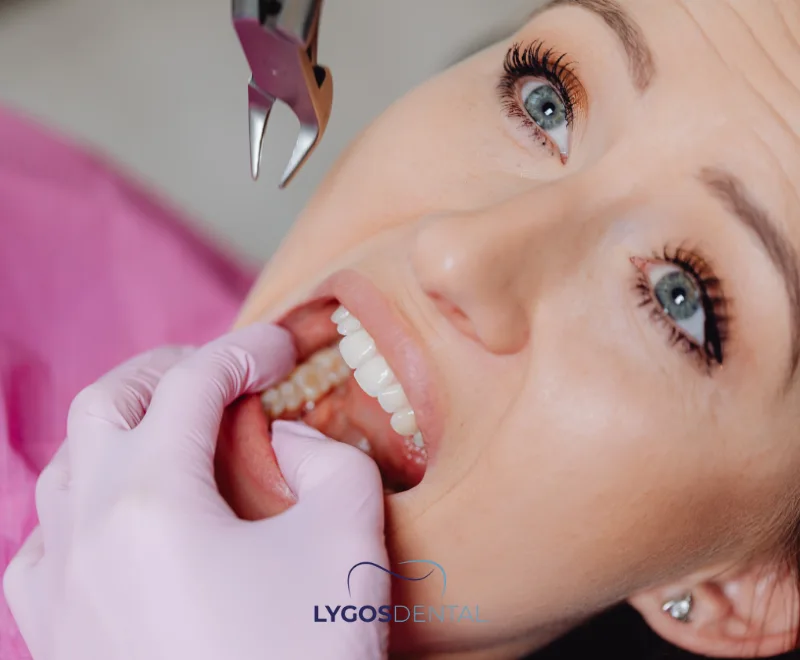
What To Consider Before Tooth Extraction
A short checklist before your appointment can reduce surprises and make recovery easier.
- Share your full medical history, including allergies and any heart, bleeding, immune, or bone conditions.
- List all medicines and supplements you take. This is especially important for blood thinners, aspirin, anti‑inflammatories, and bisphosphonates.
- Ask about sedation or general anaesthesia. If sedation is planned, you may be told not to eat or drink for a set period and to arrange a ride home.
- Avoid smoking and alcohol for at least 24 hours beforehand, unless your clinician gives different instructions.
- Plan a lighter schedule for the rest of the day so you can rest after the procedure.
What To Do In The First 24 Hours After Extraction
The first day is mainly about stopping bleeding, protecting the clot, and keeping swelling under control.
- Bite on gauze for 30–60 minutes (or as advised). If bleeding continues, replace with fresh gauze and keep steady pressure.
- Avoid rinsing, spitting, or vigorous mouth movements. These can dislodge the clot and slow healing.
- Rest and keep your head slightly elevated when lying down.
- Use a cold compress on the outside of your cheek for 10–15 minutes at a time during the first day.
- Take pain relief only as prescribed or recommended by your dentist.
- Avoid heavy exercise and lifting on day one, as it can restart bleeding.
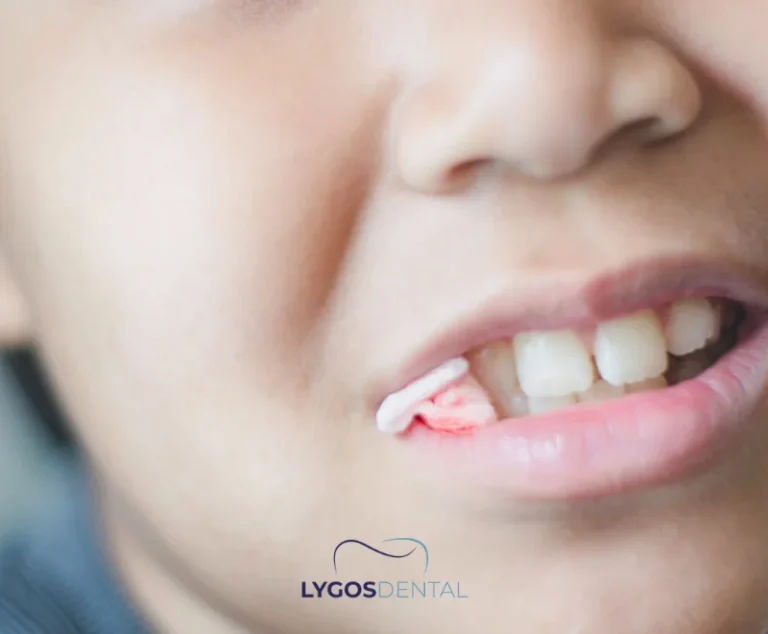
What To Eat And Drink After Tooth Extraction
First Few Hours
- Wait until the numbness wears off before eating so you don’t bite your lip or cheek (often 2–3 hours, but it varies).
- Start with cool or room‑temperature liquids and soft foods.
Days 1–2
- Choose soft foods such as yogurt, soups cooled to lukewarm, eggs, mashed potatoes, smoothies eaten with a spoon, and well‑cooked pasta.
- Drink plenty of water, but avoid using a straw.
- Skip hot, spicy, crunchy, and very acidic foods if they irritate the area.
Days 3–7
- Gradually return to normal foods as comfort allows, chewing on the opposite side.
- Avoid nuts, seeds, chips, and sticky foods until the socket is no longer tender.
How To Reduce Pain And Swelling
Mild pain and swelling are common, especially during the first 48–72 hours. These steps usually help:
- Cold compresses on day one; warm compresses may feel better after the first 24 hours for some people.
- Follow the dosing instructions for any pain medicine. Do not mix medications unless your dentist or pharmacist says it’s safe.
- After the first 24 hours, gently rinse with warm salt water several times a day, especially after meals (unless your dentist advises otherwise).
- Brush and floss as normal, but keep the toothbrush away from the socket and stitches.

What Not To Do After Tooth Extraction
- Do not smoke or use tobacco. Aim for at least 72 hours, and longer if possible.
- Do not drink through a straw or create suction in the mouth.
- Do not touch the socket with fingers, tongue, or objects.
- Avoid alcohol and alcohol‑based mouthwash during the early healing period.
- Avoid vigorous rinsing, heavy physical activity, and hot foods or drinks in the first 24 hours.
When To Call Your Dentist
Contact your dentist or oral surgeon promptly if you notice any of the following:
- Bleeding that does not slow down after applying pressure with gauze for a few hours.
- Severe pain that gets worse after day 2–3 (this can be a sign of dry socket).
- Increasing swelling, fever, foul taste, or pus‑like discharge.
- Rash, difficulty breathing, or other signs of an allergic reaction to medication.
- Numbness that doesn’t improve after the anaesthetic should have worn off.
Before And After Tooth Extraction: Frequently Asked Questions
Is tooth extraction painful?
During the procedure, local anaesthetic prevents pain. After the numbness wears off, soreness is normal for a few days and is usually managed with recommended pain relief.
When can I eat after a tooth extraction?
Eat only after the numbness has worn off. Start with soft foods and avoid hot foods on day one. Your dentist may give you specific timing based on the extraction and any stitches.
Can I smoke after a tooth extraction?
It’s best to avoid smoking because it increases the risk of dry socket and delays healing. Try to stop for at least 72 hours, and longer if you can.
How should I clean my mouth after extraction?
Avoid rinsing for the first 24 hours. After that, rinse gently with warm salt water and brush carefully around the area without disturbing the socket or stitches.
How long does healing take?
Initial healing often takes about 1–2 weeks, but the exact timeline depends on the tooth, the extraction type, and your overall health. Follow‑up appointments help confirm that healing is on track.