
May 2, 2025
Bruxism in Children (Teeth Grinding)
So, the big question is, How To Find A Pediatric Dentist Near Me? In this blog,…
Orthodontic treatment works best when daily habits match your orthodontist’s plan. Keep braces or aligners clean, protect them from hard and sticky foods, attend scheduled adjustments, and wear retainers exactly as prescribed. Consistent hygiene and follow-ups help prevent cavities, breakages, and avoidable delays.
Orthodontic treatment can improve more than appearance. By correcting crowding, spacing, and bite problems, it also supports easier cleaning, healthier gums, and more balanced chewing.
Whether you choose braces or clear aligners, the small choices you make each day affect comfort and the speed of progress. The guidance below covers the habits that most often keep treatment on track.
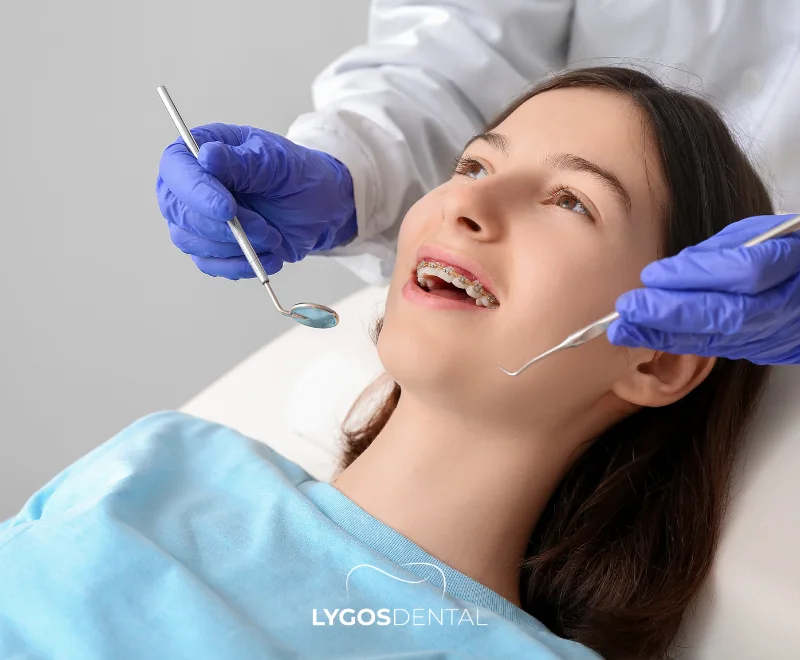
Orthodontics is a branch of dentistry focused on aligning teeth and guiding jaw relationships so the bite functions properly.
It can help with crowding, gaps, protruding teeth, crossbites, overbites, underbites, and other alignment concerns identified during an exam.
Fixed braces (metal or ceramic) move teeth with brackets and wires that are adjusted at follow-up visits.
Clear aligners use a series of removable trays and can be a good fit for many mild to moderate cases, especially when aesthetics and removability matter.
Your orthodontist recommends the right option based on tooth movement needs, bite goals, and your lifestyle.
Most treatment plans follow the same stages, even though the details are customized.
Many cases take about 12 to 36 months, but timelines vary. Broken appliances, missed visits, and poor cleaning are common reasons treatment runs longer than expected.
A smooth start usually comes down to preparation. Addressing existing dental issues and setting routines early can prevent setbacks later.
Good results come from teamwork between you and your orthodontic team. These practical habits protect your teeth and your appliance.

Food choices can make treatment more comfortable and reduce emergency visits for broken brackets or bent wires.
If you wear clear aligners, remove trays before eating and rinse your mouth before putting them back in to reduce staining and odor.
If you do have something crunchy, cut it into small pieces and chew with your back teeth. When in doubt, choose softer options—especially in the first week after braces are placed or adjusted.
Teeth can drift after active treatment ends. Retainers hold the result while the gums and bone adapt.
Follow your orthodontist’s wear schedule closely and bring your retainer to checkups so fit and condition can be reviewed.
Contact us to learn more about Cosmetic Dentistry, Dental Crowns, Dental Implants, and General Dentistry. We can help you book an appointment and answer questions about your treatment options.
Brush after meals, floss daily, avoid sticky/hard foods, and wear elastics as directed.
Orthodontist checks progress, adjusts wires, replaces elastics, and answers comfort or hygiene questions.
Typically 1–4 weeks after records are taken; sometimes the same day.
Take approved pain relievers, eat soft foods, use orthodontic wax, and rinse warm saltwater.
