
Oct 16, 2025
What to Eat During Orthodontic Treatment | LYGOS DENTAL
Therefore, the question “What to Eat During Orthodontic Treatment?” is crucial for both the success of…
Braces straighten teeth and improve how your bite works, which can make cleaning easier and reduce uneven wear over time. Before starting, you’ll need an orthodontic exam to confirm the problem, choose the right appliance (metal, ceramic, lingual, or clear aligners), and treat any cavities or gum issues. Good hygiene and regular checkups are key to a smooth result.
A straight smile isn’t only about appearance. When teeth and jaws don’t line up well, you may be more prone to plaque buildup, gum irritation, or uneven tooth wear. Orthodontic treatment can address both cosmetic and functional concerns, but it works best when you know what to expect from day one.
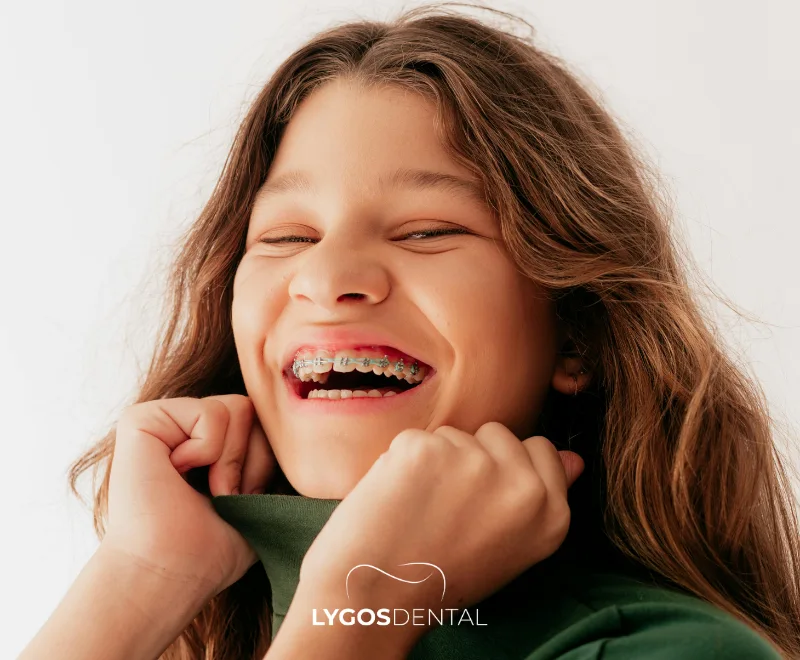
Braces can be an option for children, teens, and adults. What matters most is your dental development, jaw alignment, and overall oral health. An orthodontist will check your teeth, gums, and bite, then recommend a plan that matches your needs and lifestyle.
Braces are commonly recommended for:
Orthodontic treatment is used to correct bite problems and alignment issues. Some people start for cosmetic reasons, but many cases also have a functional goal—helping the teeth meet properly and reducing strain on certain teeth or jaw areas.
Common reasons an orthodontist may recommend braces include:
There are several orthodontic options today. The best choice depends on how complex your case is, how visible you want the appliance to be, and whether you can follow daily wear instructions for removable systems.
The classic option. Metal brackets are durable, effective for a wide range of cases, and often the most budget-friendly choice.
Tooth-colored brackets that are less noticeable than metal. They can be a good fit for adults who want a subtler look, though they may require a bit more care to avoid staining.
Placed on the back of the teeth, so they’re hidden from view. They can be helpful for people who want an invisible option, but they may take longer to get used to and can be harder to clean.
Removable trays that gradually move teeth. They’re discreet and can be easier for brushing and flossing, but they only work well when you wear them as directed and attend regular follow-ups. They’re typically best for mild to moderate corrections.
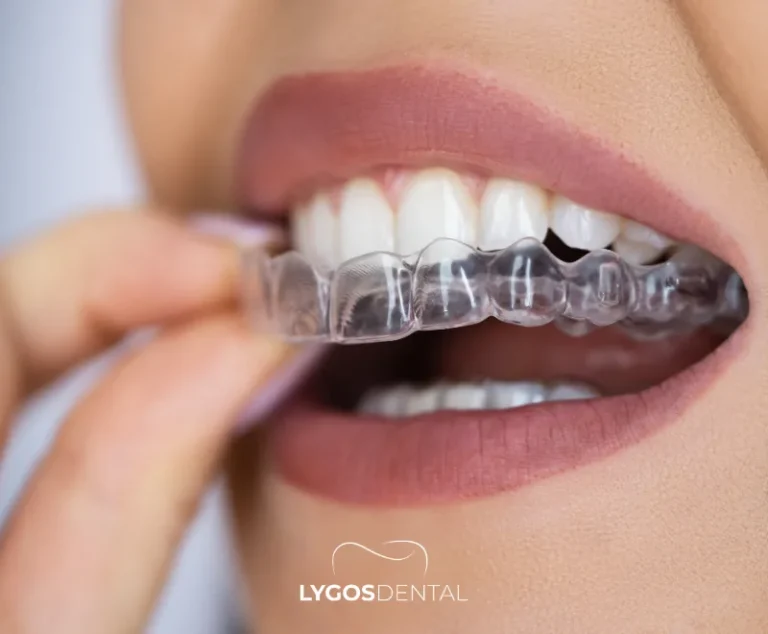
Treatment time varies from person to person. Your orthodontist will estimate a timeline after reviewing your bite, the amount of movement needed, and your overall dental health.
Typical ranges are:
What can affect the timeline:
Starting with a healthy mouth makes treatment easier and lowers the risk of complications. Your dentist or orthodontist may coordinate a few steps before placement.
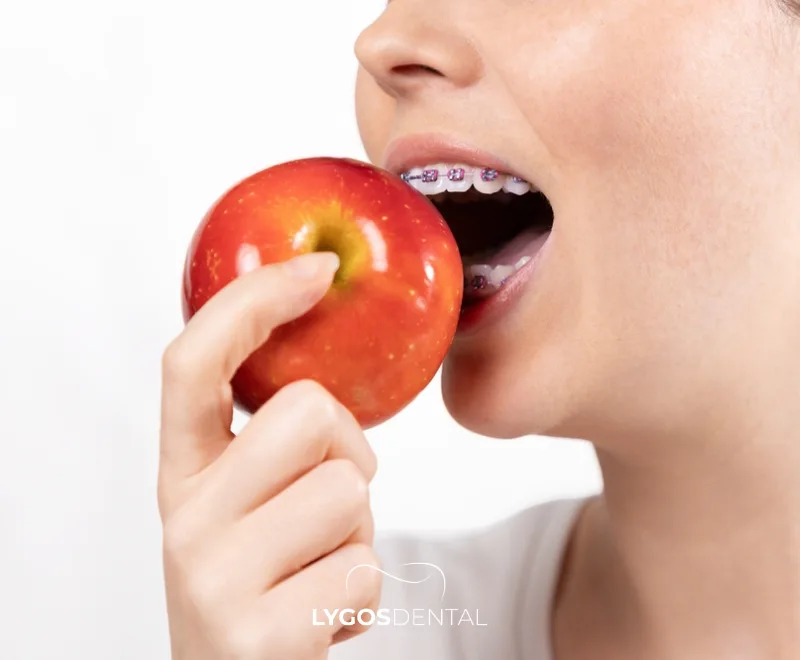
Daily care plays a major role in how your teeth look when the braces come off. Good hygiene helps prevent white spot lesions, cavities, and gum irritation during treatment.
If you feel sore after an adjustment, soft foods and orthodontic wax can help. Over-the-counter pain relief may be an option if it’s safe for you—follow label directions and your clinician’s advice.
You won’t feel pain while they’re being placed. It’s normal to feel pressure or soreness for a few days afterward and after adjustments. Most people adapt within a week.
Yes. Cavities and active gum problems should be treated first. Braces make some areas harder to clean, so starting with healthy teeth lowers the risk of decay during treatment.
Price depends on the type of appliance, how long treatment lasts, case complexity, and where you receive care. Clear aligners and lingual braces tend to cost more than standard metal braces in many clinics.
Traditional braces usually cause minimal speech changes. You may notice a short adjustment period with lingual braces or clear aligners, but most people adapt quickly with practice.

Therefore, the question “What to Eat During Orthodontic Treatment?” is crucial for both the success of…
So, how does tooth loss affect speech? In this article, we will examine in detail the…
 Blog
Blog
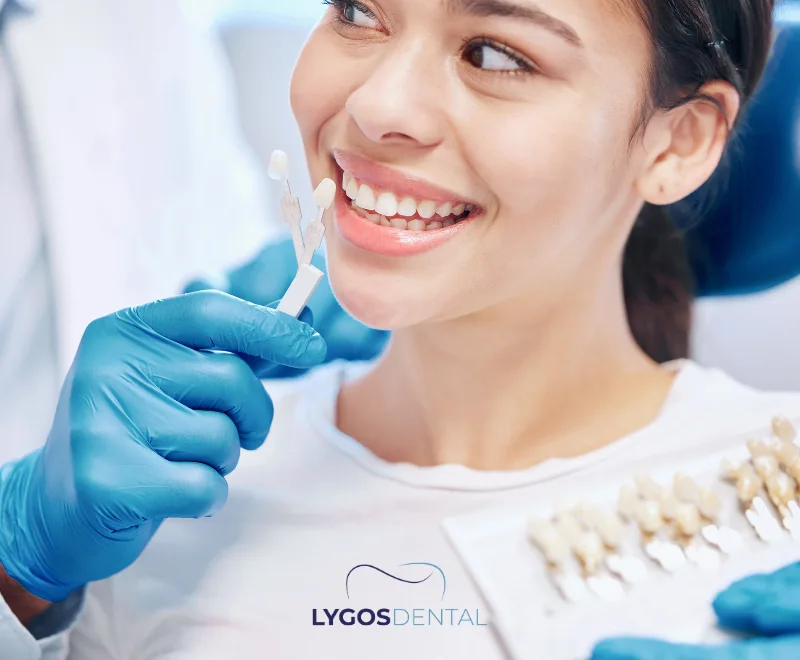
Nowadays, smile design has become one of the most important parts of personal image. At this…