
Feb 24, 2025
Morgan Freeman Dental Aesthetic
Morgan Freeman Dental Aesthetic is a widely discussed topic, as he is a Hollywood icon known…
Tooth erosion is the gradual loss of tooth enamel caused by repeated acid exposure from foods, drinks, stomach reflux, or other sources. As enamel thins, teeth may become sensitive, look more yellow, and chip more easily. Erosion can’t be reversed, but you can slow it with smarter habits, fluoride, and timely dental care.
Tooth erosion happens when acids dissolve enamel, the hard outer layer that protects your teeth. Unlike tooth decay, which involves bacteria, erosion is a chemical process. Once enamel is lost it does not grow back, so early detection and prevention matter.
Most cases come from frequent acid contact with the teeth. In many people, more than one factor is involved.
Acidic items soften enamel on contact. When exposure is frequent or prolonged, enamel wear accelerates.
With reflux, stomach acid can reach the mouth and bathe the teeth. Erosion patterns from reflux often affect the inner (tongue-side) surfaces of upper teeth. If you suspect reflux, managing it can protect both your teeth and your overall health.
Repeated vomiting exposes teeth to strong stomach acid. This can happen with certain medical conditions, pregnancy-related nausea, or eating disorders. If this applies to you, getting medical support is important, and a dentist can help reduce further enamel loss.
Saliva helps neutralize acids and supports natural remineralization. When saliva is reduced, acids stay on the teeth longer and enamel is more likely to soften and wear.
Frequent swimming in poorly balanced chlorinated pools can contribute to erosion if the water is too acidic. Some jobs with airborne acids can also raise risk.
Some medicines can reduce saliva flow or increase mouth acidity. If you notice dry mouth or new sensitivity after starting a medication, mention it to your dentist and prescribing clinician.
Erosion often starts quietly. Catching it early can prevent more extensive damage.
Dentists may describe erosion in stages based on how much enamel has been lost.
Initial stage: Mild softening and thinning of enamel. Sensitivity may begin, but changes can be subtle.
Moderate stage: More noticeable sensitivity and color changes. Edges may start to look rounded or worn.
Severe stage: Significant enamel loss with dentin exposure. Teeth are more likely to chip, crack, or develop restorations-related needs.
The goal is to reduce acid contact, help enamel re-harden, and strengthen teeth with fluoride and good habits.
After acidic foods or drinks, enamel is temporarily softened. Rinse with water and wait about 30 minutes before brushing so saliva can help the surface re-harden.
Treatment depends on severity and the cause. Your dentist may recommend one or more of the following:
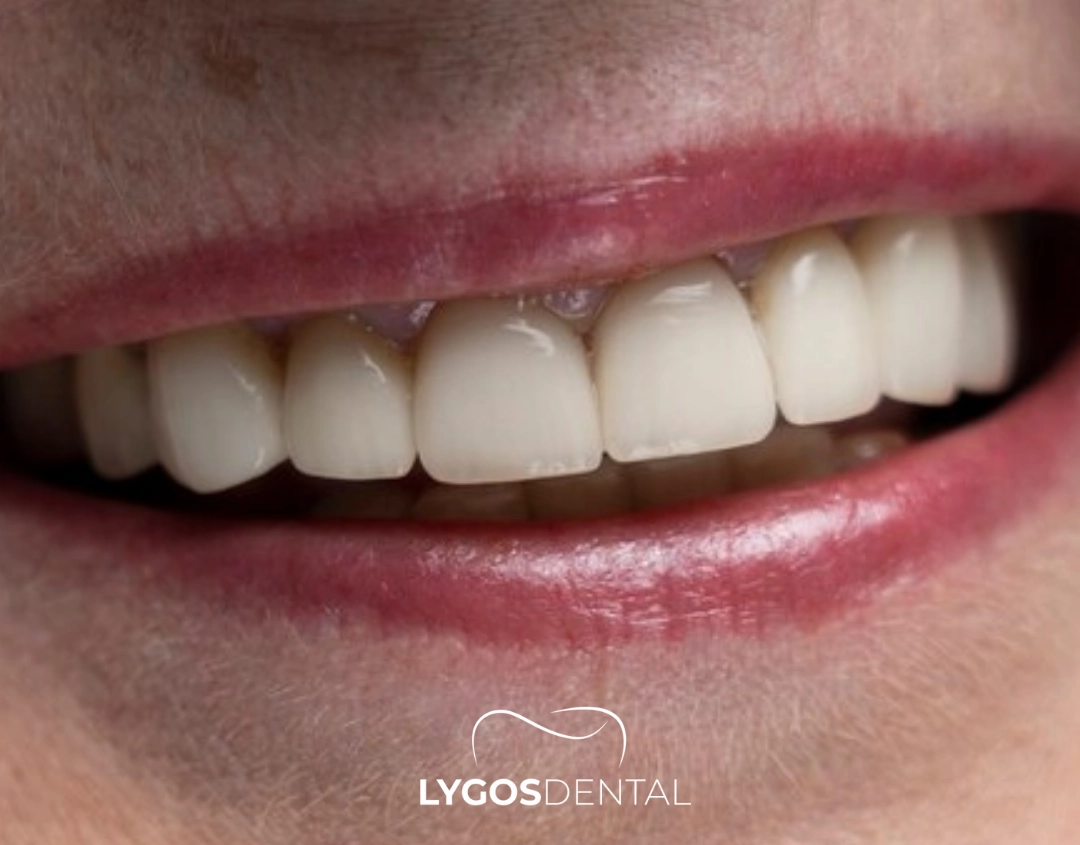
Book an exam if you notice new sensitivity, visible yellowing, chips, or changes in tooth shape. If you regularly experience heartburn, reflux, or frequent vomiting, let your dentist know—addressing the root cause can prevent ongoing damage.
No. Decay is driven by bacteria and sugars; erosion is enamel loss caused by acids. A person can have both at the same time.
Lost enamel does not regenerate. Early erosion can sometimes be stabilized, and weakened areas can be strengthened with fluoride and careful habits.
Lemon is highly acidic. If you drink it, keep it to mealtimes, use a straw, and rinse with plain water afterward.
