
Oct 30, 2024
Tooth Erosion (Dental Erosion) | LYGS DENTAL
Tooth Erosion (Dental Erosion) Tooth erosion is the gradual loss of tooth enamel caused by repeated…
Braces are orthodontic appliances that use brackets and wires to gradually move teeth into healthier alignment and improve the bite. They’re used for crowding, spacing, and jaw or bite problems in both teens and adults. Treatment time depends on complexity and cooperation, while total cost varies by brace type, clinic, and the length of care.
When people ask, “What are braces?”, they’re usually thinking about straighter teeth. Orthodontic treatment can also improve chewing comfort, support gum health, and make daily cleaning easier.
Below you’ll find a clear explanation of how braces work, who they suit, how long they typically take, what to watch out for during treatment, and the main factors that shape the overall cost.
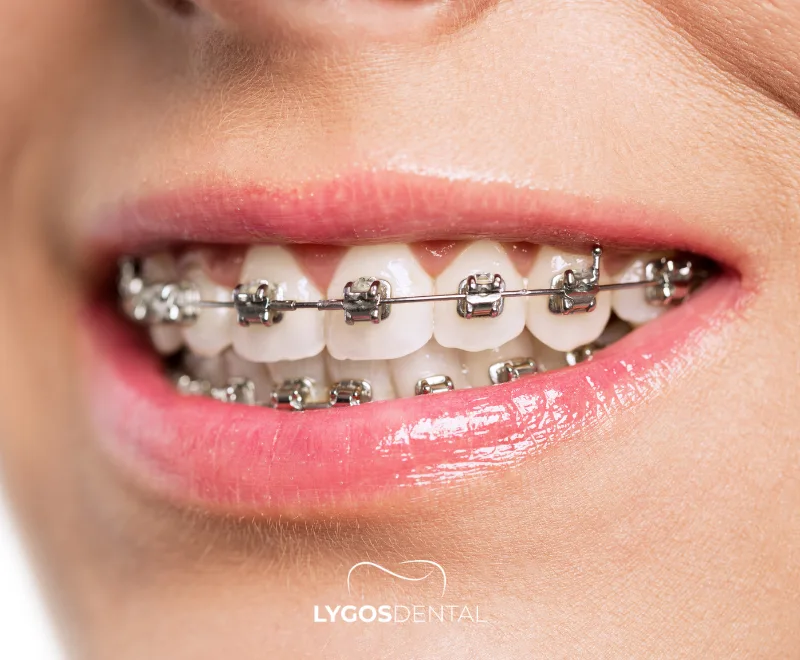
Braces are orthodontic tools used to correct crooked teeth, spacing, bite problems, and certain jaw-related alignment issues. They work through a simple mechanical system: small brackets are attached to the teeth and connected with a wire. As the wire is adjusted over time, it applies gentle, steady pressure that guides teeth into their planned positions.
Braces are often chosen for cosmetic reasons, but they also support long-term oral health. They can help with:
When teeth fit together properly, brushing and flossing tend to be more effective, and routine dental cleanings are usually easier.
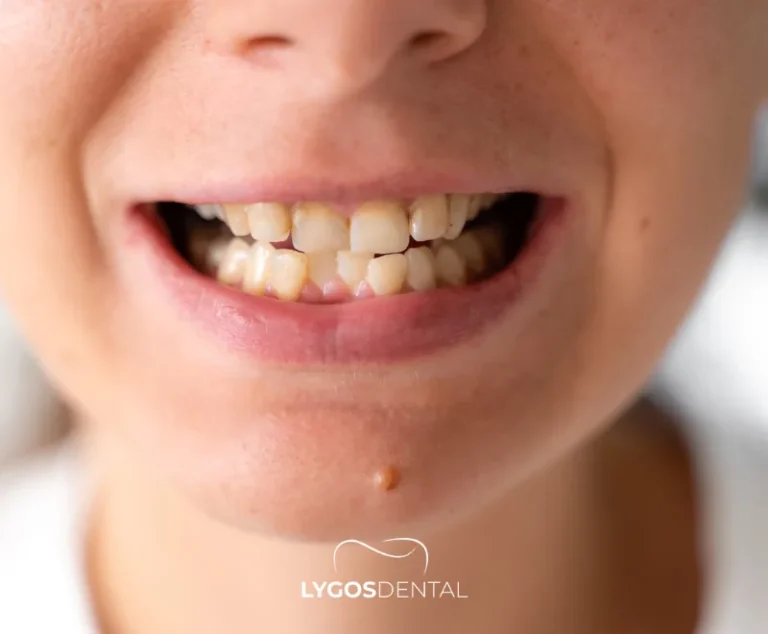
Braces are commonly used in childhood and the teen years, but adults can also benefit from orthodontic treatment. A dental exam and orthodontic assessment determine whether braces (or another option) is the right fit.
Braces are often recommended when:
For people dealing with these issues, braces can be a practical way to improve comfort, function, and confidence.
Treatment length varies from person to person. It depends on how far the teeth need to move and how the bite responds to adjustments.
Common factors that affect timing include:
Your orthodontist can give a more accurate timeline after an exam and a treatment plan.

Good daily habits make braces more comfortable and help treatment stay on track:
Oral Hygiene: Brush after meals when possible and clean around brackets carefully. Flossing aids or interdental brushes can help.
Food Choices: Avoid very hard or sticky foods that can loosen brackets or bend wires.
Regular Check-Ups: Adjustments work best when appointments are kept consistently.
Short-Term Discomfort: Mild pressure after fitting or tightening is common and usually settles within a few days.
Sports Protection: Use a mouthguard for contact sports to protect teeth and appliances.
Contact us to learn more about Cosmetic Dentistry, Dental Crown, Dental Implant, and General Dentistry, and to book an appointment.
Braces pricing depends on the treatment method, case complexity, and follow-up care. Clinics may also price differently based on the orthodontist’s experience and the materials used.
Typical price ranges by type include:
For the most accurate estimate, ask for a personalized plan and a written quote after an in-person evaluation.
What are braces and when should they be applied?
Braces are orthodontic appliances used to align teeth and address bite or jaw alignment problems. Many patients start between ages 9 and 14, but adults can also be treated after an orthodontic assessment.
Do braces hurt?
You may feel mild pressure or soreness when braces are first fitted and after adjustments. This is usually temporary and eases within a few days.
How long does braces treatment last?
Treatment often lasts 1.5 to 3 years, depending on the complexity of the case and how closely care instructions are followed. Mild cases can be shorter.
Are braces covered by health insurance (SGK)?
Coverage rules can vary. In some cases, patients under 18 may receive partial coverage when treatment is medically necessary and approved through a state hospital evaluation.
Can you eat normally with braces?
Yes. Avoid hard, sticky, or very crunchy foods that can damage brackets or wires, and cut tougher foods into smaller pieces.
