
Sep 10, 2025
How to Clean Lingual Braces? | LYGOS DENTAL
In this article, we will answer the question “How to clean lingual braces?” in detail, covering…
Dry mouth (xerostomia) happens when your salivary glands don’t make enough saliva to keep your mouth comfortably moist. The most common triggers are medications, dehydration, mouth breathing (often during sleep), tobacco or alcohol use, and certain medical conditions such as diabetes or Sjögren’s syndrome. Relief usually starts with finding the cause and protecting your teeth.
Dry mouth is the feeling of oral dryness caused by reduced saliva or changes in saliva quality. Saliva does more than wet your mouth: it helps you chew and swallow, supports taste, buffers acids, and protects teeth and gums. When saliva is low, everyday activities can feel uncomfortable and the risk of dental problems goes up.
Dry mouth can show up in different ways. Some people notice it mainly at night, while others feel it throughout the day.
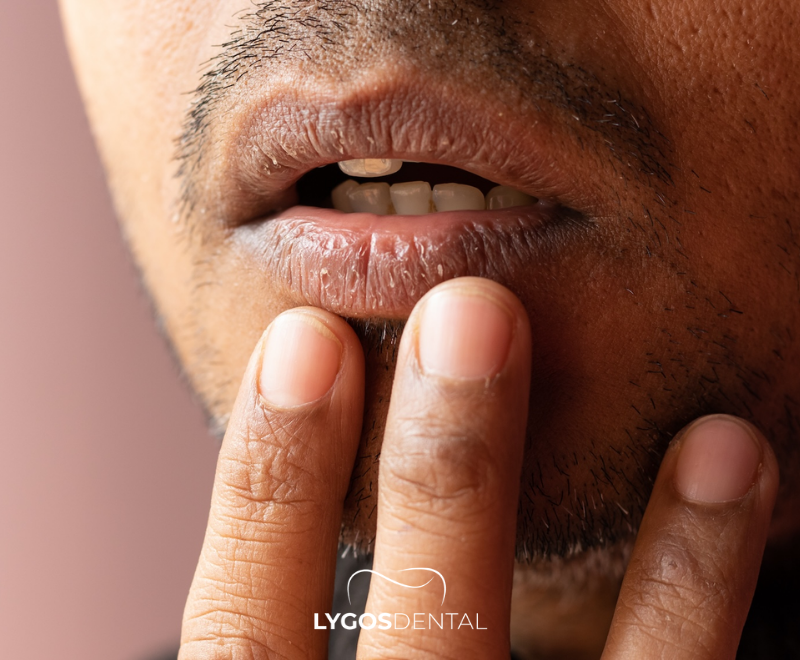
Dry mouth is usually a symptom rather than a disease on its own. These are the most frequent reasons saliva drops.
Many prescription and over-the-counter medicines can reduce saliva. Common examples include antihistamines, decongestants, antidepressants, some blood pressure medicines, diuretics, and certain pain medicines. If your symptoms started after a new medication or dose change, speak with a clinician before stopping anything.
Not drinking enough fluids is a simple but common cause. Dehydration can follow fever, vomiting or diarrhea, heavy sweating, or just inadequate water intake. Alcohol and too much caffeine can also leave you drier than you expect.
Sleeping with your mouth open dries oral tissues quickly. Nasal congestion, allergies, chronic sinus problems, or sleep-disordered breathing can make mouth breathing more likely. If you wake up with a dry mouth most mornings, this is worth checking.
Smoking and other tobacco use can reduce saliva and irritate oral tissues. Alcohol—whether in drinks or alcohol-based mouthwashes—can also worsen dryness. Spicy foods and very salty snacks may feel more irritating when saliva is low.
Several medical conditions are linked with dry mouth. Diabetes is a common one, especially when blood sugar is not well controlled. Autoimmune diseases such as Sjögren’s syndrome can directly affect salivary glands. Neurological conditions or nerve damage in the head and neck area may also interfere with normal saliva signals.
Radiation therapy to the head and neck can damage salivary glands. Chemotherapy may also cause dryness in some people. If you are in cancer treatment or recovery and notice persistent dryness, coordinated care between your oncology team and dentist can help reduce complications.
Stress can change breathing patterns and trigger a “dry” sensation, especially during anxious periods. Some people clench their jaw or breathe through their mouth more when stressed, which can make symptoms worse.
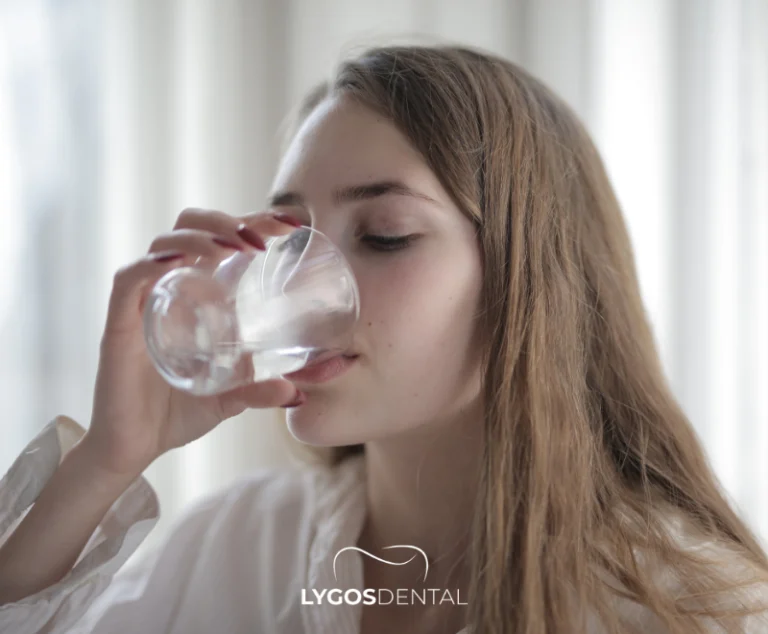
Saliva protects teeth and soft tissues. When it’s low, plaque builds up faster and acids stay in contact with enamel longer. That can lead to cavities, gum inflammation, mouth sores, and fungal infections. Dry mouth can also affect appetite and sleep, which then feeds the problem.
Diagnosis usually starts with a medical and dental history, including a review of all medications and supplements. A clinician may examine your mouth for dryness, irritation, tooth decay, or signs of infection. If an underlying condition is suspected, they might recommend blood tests, salivary flow assessment, or referral to a specialist.
The best treatment depends on the cause. Most people improve with a mix of daily habits and targeted medical care.
Good oral hygiene becomes even more important when saliva is low. Brush twice daily with fluoride toothpaste and clean between teeth every day. Your dentist may recommend fluoride treatments or specific products if you’re getting cavities more easily.
If a medication is the trigger, a clinician may be able to adjust the dose, switch to an alternative, or change the timing—without compromising your overall care. For some people, prescription saliva-stimulating medicines (such as pilocarpine or cevimeline) may be considered. Saliva substitutes, gels, and sprays can also provide short-term comfort, especially at night.

You can’t prevent every cause of dry mouth, but a few habits lower the chances of long-lasting symptoms.
Some home approaches can be soothing. Use them as comfort measures, and seek medical advice if symptoms persist.
Get professional advice if dry mouth lasts more than a couple of weeks, keeps waking you at night, or is getting worse. You should also book an appointment if you notice mouth pain, swelling, sores that don’t heal, new tooth sensitivity, or frequent cavities. If you have diabetes, an autoimmune condition, or you’re receiving cancer treatment, early support can prevent complications.
Dry mouth can signal dehydration, medication side effects, anxiety, diabetes, or Sjögren’s syndrome.
Sip water often, chew sugar-free gum, avoid alcohol/caffeine, use saliva substitutes, see a doctor.
Increase hydration, breathe through your nose, use a humidifier, review medicines with clinician.
You’re often lacking fluids; sometimes saliva production is reduced from medications or gland disease.
Yes—Sjögren’s syndrome, diabetes, HIV, Parkinson’s, and radiation damage can cause dry mouth.
Dehydration, sleep apnea, diabetes, anemia, infections, or medications; seek medical evaluation if persistent.
