
Sep 18, 2025
Best Dental Clinics in Bahçelievler | LYGOS DENTAL
Best Dental Clinics in Bahçelievler, such as Lygos Dental, offer comprehensive solutions to patients with modern…
Tooth fractures usually happen when a weakened tooth meets sudden force—such as a fall, biting something hard, or ongoing pressure from teeth grinding. Tooth decay, large fillings, and age-related enamel wear can also make teeth more likely to crack. Prompt dental care helps reduce pain, prevent infection, and limit further breakage.
A chipped or cracked tooth can happen in a second, but it’s usually linked to a few predictable triggers. Some causes are sudden, like an accident, while others build over time by weakening enamel or internal tooth structure.
Impacts from falls, car accidents, or being hit during sports can chip a tooth or create deeper cracks. The risk is higher in contact sports, especially without a mouthguard.
Biting down on hard foods (such as nuts, ice, or hard candy) can overwhelm enamel and cause a fracture. Habits like chewing pens or biting nails can also stress teeth over time.
Cavities weaken the tooth from the inside out. As decay progresses, the remaining tooth structure becomes more likely to break under normal biting forces.
Grinding or clenching—often during sleep—puts repeated heavy pressure on teeth. Over time, this can create microcracks that grow into a visible fracture.
Enamel can thin with age and with years of wear and tear. When enamel is thinner, teeth are more sensitive to pressure and more likely to crack.

Tooth fractures can affect anyone, but they tend to be more common in certain groups. Risk increases with higher impact activities, enamel wear, and conditions that increase bite force.
If you suspect a tooth has fractured, quick action can make treatment easier and more comfortable. Use the steps below as first aid, then arrange a dental visit as soon as possible.
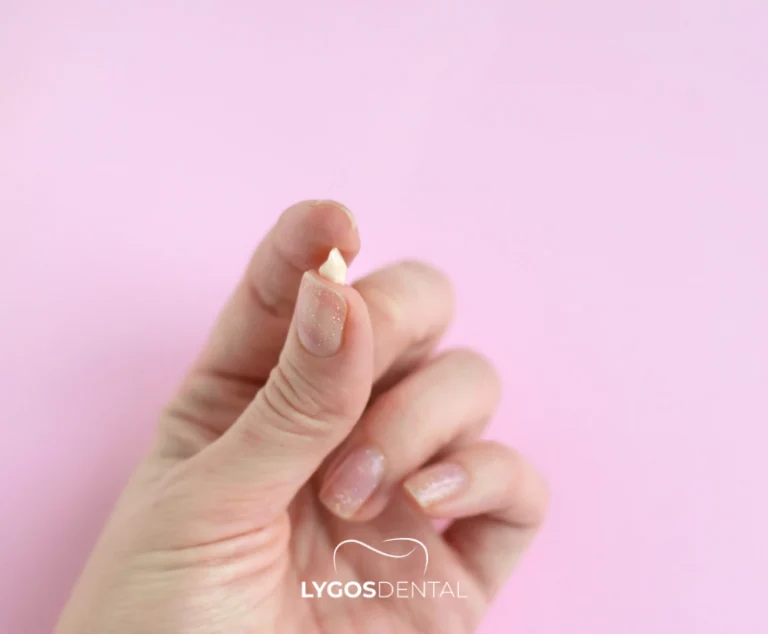
Treatment depends on how deep the crack goes and whether the nerve is affected. A dentist will check the tooth, take imaging when needed, and recommend the option that best protects the tooth long-term.
Small chips and minor fractures can often be repaired with tooth-colored composite. This restores shape and function with minimal removal of tooth structure.
When a larger portion of the tooth is damaged, a crown may be used to cover and strengthen it. Crowns help protect against further cracking during chewing.
If the fracture exposes or inflames the pulp (the nerve), root canal treatment may be recommended. Afterward, a crown is often placed to support the tooth.
If the tooth cannot be repaired, removal may be necessary. A dental implant is one common way to replace a missing tooth and restore biting function.
Pain is common after a tooth breaks, especially if the crack is deep or the tooth is sensitive. These steps can help until you’re able to see a dentist.
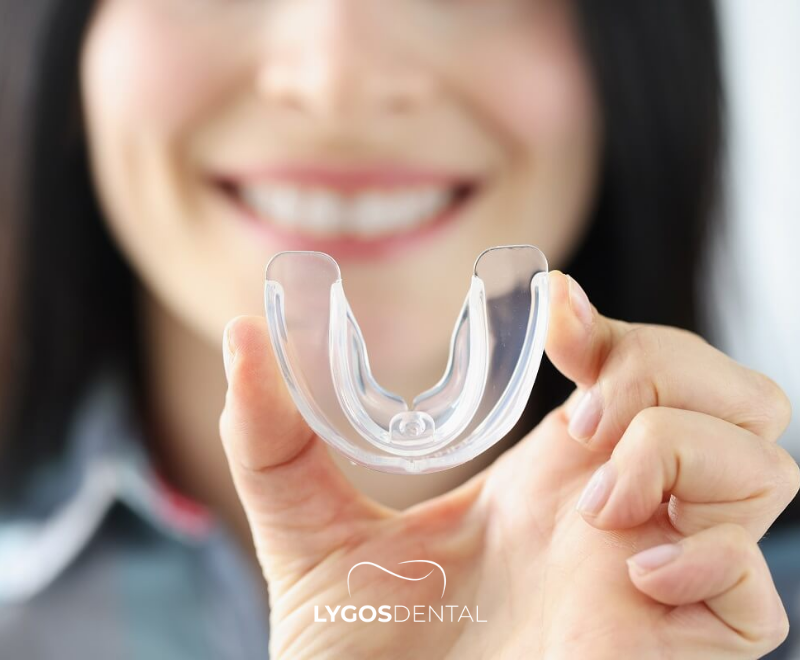
Many fractures are preventable with a few habit changes and the right protective gear. These steps are especially useful if you have a history of cracked teeth or grinding.
Fractures are caused by trauma, biting hard objects, decay, large fillings, or grinding.
Teeth cannot truly heal; cracks may be stabilized, but damaged structure won’t regrow.
Prevent fractures by avoiding hard chewing, treating decay, wearing a nightguard, and regular dental care.
A tooth can break suddenly when hidden decay or cracks weaken it, then biting.
Back teeth, especially molars, and heavily filled or root-treated teeth fracture most.
Leaving a fractured tooth risks worsening breakage, pain, and infection; see a dentist.
