
Jul 4, 2025
Golden Ratio in Smile Design
So, what exactly is the golden ratio in smile design, and how is it calculated?..
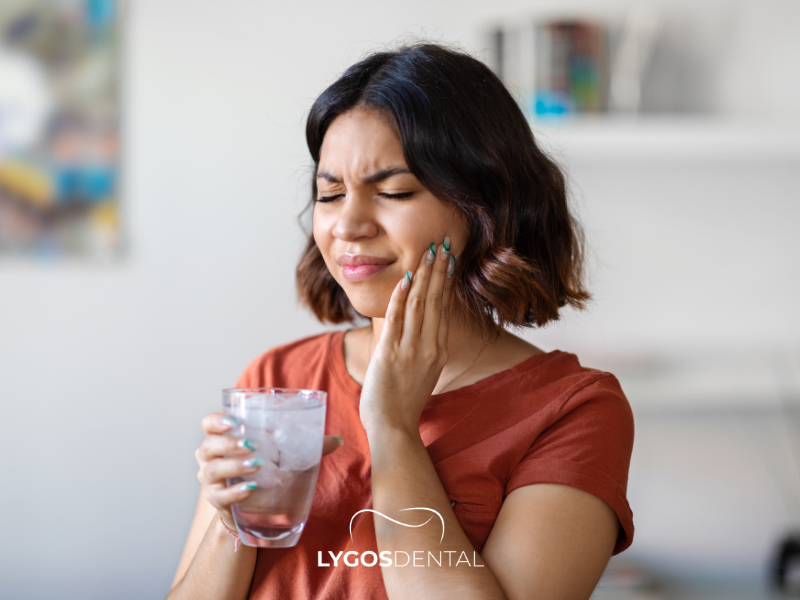
Tooth sensitivity usually happens when the protective enamel wears down or the gums recede, exposing dentin and its tiny tubules that lead to the nerve. Hot, cold, sweet, or acidic foods can then trigger a sharp, quick pain. Common causes include aggressive brushing, acidic diets, cavities, cracked teeth, and recent dental work.
Tooth sensitivity (also called dentin hypersensitivity) is a brief, sharp pain that occurs when a tooth is exposed to a stimulus such as cold air, hot drinks, sweets, or acidic foods. Under the enamel and gumline sits dentin, a porous layer with microscopic channels that connect to the nerve. When dentin is uncovered, those channels transmit sensations more easily, which is why the tooth can feel “zapped” by certain triggers.
Sensitivity can develop gradually or appear suddenly, depending on what’s irritating or exposing the dentin. These are the most common reasons dentists see.
Frequent acidic foods and drinks, reflux, and overly abrasive brushing can thin enamel over time. As enamel becomes weaker, temperature and chemical changes reach the dentin more easily.
When gums pull back, the tooth root may become exposed. Roots are not covered by enamel, so they tend to be more reactive to cold and touch.
Cavities and failing restorations can create pathways that increase sensitivity. Early decay may cause occasional sensitivity; deeper decay often leads to lingering pain.
Even small cracks can expose inner tooth layers or irritate the nerve when you bite down. Sensitivity from cracks is often sharp and may come and go.
Grinding can flatten biting surfaces and remove protective enamel. It may also cause tiny fractures that trigger sensitivity.
After fillings, crowns, cleanings, orthodontic adjustments, or whitening, some temporary sensitivity is common. It should steadily improve; worsening pain needs a check-up.
Not necessarily. Many people feel sensitivity because dentin is exposed, not because a tooth is infected. Infections are more likely when sensitivity turns into persistent, throbbing pain or when you notice swelling, fever, a bad taste, pus, or pain that keeps you awake.
If you have sensitivity plus any of the warning signs above, book a dental visit promptly. Cavities, cracks, and gum disease can progress and eventually involve the tooth’s pulp (nerve tissue).
A dentist will start with a history of your triggers, how long the pain lasts, and whether it happens in one tooth or many. They’ll check for gum recession, enamel wear, cavities, damaged fillings, and signs of grinding. X-rays may be used to look for decay, cracks, or other problems that are not visible during an exam.
To pinpoint the source, your dentist may use gentle air, cold testing, or a bite test. The goal is to separate routine sensitivity from issues that need restorative or emergency care.
Relief usually starts with protecting dentin and reducing irritation. Most cases improve with a combination of careful home habits and targeted dental treatments.
Book an appointment if sensitivity lasts longer than a few days, is getting worse, or is limited to one tooth. Also seek care if you notice a crack, swelling, bleeding gums, or pain when biting. After whitening or other dental work, mild sensitivity can be normal, but it should improve within about a week.
Use fluoride toothpaste, avoid acidic foods, treat cavities, and see a dentist.
Vitamin D and calcium support enamel; deficiency correction may reduce sensitivity.
Acidic foods, citrus, soda, wine, sugary snacks, and very hot/cold items.
New sensitivity often comes from gum recession, enamel wear, cavities, cracks, or recent whitening.
Brush gently with desensitizing fluoride toothpaste, floss, use soft brush, and get dental evaluation.
Eat dairy, leafy greens, nuts, fish, and fibrous vegetables; limit acids and sugar.
