
Nov 29, 2024
Oral and Maxillofacial Surgery | LYGOS DENTAL
Oral And Maxillofacial Surgery: Everything You Need To Know Oral and maxillofacial surgery is a fascinating…
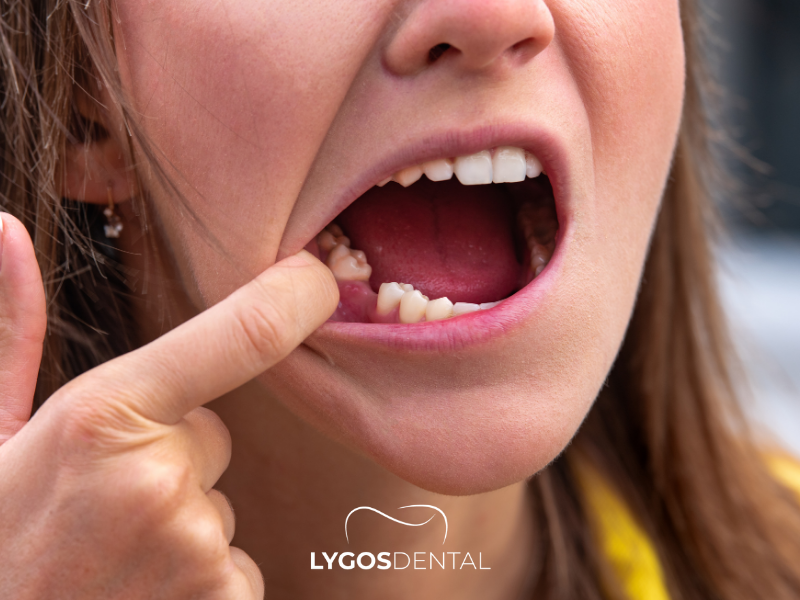
In most cases, a swallowed tooth moves through the digestive system and passes naturally in your stool within a few days. Problems are uncommon, but a sharp or large piece can irritate the gut or, rarely, get stuck. Seek urgent help right away for choking, breathing trouble, severe pain, vomiting, or blood.
Swallowing a tooth is more common than it sounds. It can happen when a loose baby tooth comes out while eating or sleeping, after a sports injury, or when a chipped tooth breaks further during a meal.
Dental work can be another trigger. Crowns, temporary restorations, and small tooth fragments may slip backward if you cough, swallow suddenly, or your mouth is numb after treatment.
Most of the time, no. A whole tooth is usually small enough to travel through the stomach and intestines without causing harm.
Risk goes up when the tooth (or fragment) is large, jagged, or attached to something sharp, or when the person has a narrowing in the digestive tract from a prior condition or surgery.
After you swallow, the tooth typically slides down the esophagus with food and saliva. If it scratches the throat, you may feel a brief “stuck” sensation, even when it has already moved on.
Stomach acid does not dissolve teeth. The tooth remains intact and usually moves forward with normal digestion.
Most swallowed objects pass on their own. A tooth may pass within 24–48 hours for some people, but it can also take a few days. Many children’s health services cite a window of about 3–5 days for objects to pass.
You do not need to force it with laxatives. Normal eating, good hydration, and a steady routine are usually enough.
Most people feel fine after swallowing a tooth. Still, it’s smart to watch for warning signs that suggest irritation, blockage, or (rarely) that the tooth entered the airway instead of the stomach.
Stay calm and check breathing first. If the person is coughing forcefully, encourage coughing. If there is any breathing trouble, call emergency services.
If breathing is normal, sip water and avoid trying to make yourself vomit. For children, do not give laxatives unless a clinician specifically advises it.
Over the next few days, stick to regular meals. Fiber-rich foods (vegetables, fruits, oats, whole grains) and adequate fluids can support comfortable bowel movements.
Contact a clinician the same day if you swallowed a sharp fragment, a long piece, multiple fragments, or if you have known digestive narrowing, prior bowel surgery, or inflammatory bowel disease.
Also contact a clinician if you swallowed a dental restoration (like a crown) and you’re not sure whether it went down the food pipe or into the airway. A dentist can help identify what was swallowed and whether a medical check is needed.
If symptoms suggest the tooth is stuck in the esophagus or airway, clinicians may use imaging (such as X‑ray) and decide whether removal is needed.
Objects that have reached the stomach usually pass without intervention. If there are signs of blockage or perforation, urgent assessment is required and removal may be done with an endoscope.
A decayed tooth contains bacteria, but the digestive system is designed to handle bacteria from food and saliva. Infection from swallowing a tooth is uncommon.
That said, if a sharp edge causes a cut inside the digestive tract, any fever or increasing pain should be taken seriously and checked promptly.
Contact a clinician if sharp or symptomatic; otherwise monitor stools and seek care if pain.
No; enamel and dentin resist stomach acid, though fillings may corrode slightly.
It’s uncommon; exact frequency isn’t well documented.
Likely yes if small and smooth; seek urgent care for pain, vomiting, bleeding.
Usually 1–3 days; see a clinician if not passed within a week.
Unlikely; choking risk is during swallowing, not after it reaches the esophagus.
