
May 1, 2025
The Effect of Sugary Foods on Tooth Enamel
So, the big question is, How To Find A Pediatric Dentist Near Me? In this blog,…
If a tooth that needs extraction is left untreated, infection can spread to the gums and jawbone, pain often returns with greater intensity, and the supporting bone may start to break down. In some cases, oral bacteria can affect overall health. Seeing a dentist early reduces the risk of abscesses and emergency treatment.
Dentists recommend extraction only when a tooth can’t be saved safely. When a severely decayed, infected, or badly damaged tooth stays in place, the problem can move beyond the tooth itself and involve the gums, bone, and nearby tissues. Even if symptoms come and go, the underlying cause usually continues to progress.
Most teeth can be treated with fillings, root canal therapy, crowns, or periodontal care. Extraction becomes the safest option when keeping the tooth would put the rest of your mouth at risk.
Common reasons a tooth may need to be removed include:

Bacteria from an untreated tooth can spread into the gums and surrounding tissues. What starts as a localized infection may develop into a dental abscess, facial swelling, or a spreading infection that needs urgent care.
A damaged or infected tooth rarely heals on its own. As the nerve becomes more irritated, you may feel throbbing pressure, sensitivity to temperature, and pain that radiates to the jaw, ear, or head.
Infection can damage the bone that supports the tooth. As the bone weakens, the tooth may become loose and the area may be harder to treat later. In severe situations, the tooth can break down or fall out, which can injure nearby tissue.
Oral infections are not confined to the mouth. When bacteria enter the bloodstream or sinuses, they can contribute to wider health complications, especially in people with underlying medical conditions. This is one reason dental teams emphasize early treatment and infection control.
Research has found associations between poor oral health and certain systemic conditions. A decayed or infected tooth may contribute to complications such as:
These risks vary from person to person, but the safest approach is to treat infection early and avoid letting it linger.
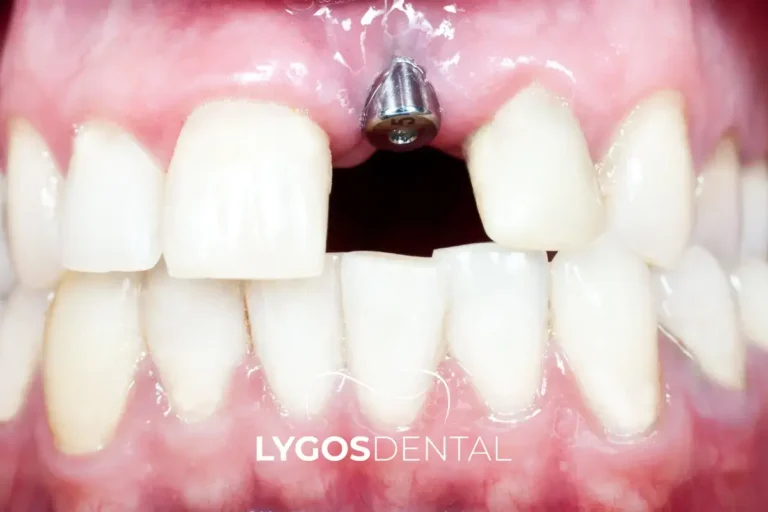
Leaving an extraction space empty can cause changes in your bite and jaw over time. Replacing the tooth helps maintain function and reduces long-term complications.
Teeth naturally drift toward open spaces. Over time, this movement can cause crowding, misalignment, and uneven contact between the upper and lower teeth.
The jawbone depends on stimulation from tooth roots. When a tooth is missing, the bone in that area can start to thin and shrink, which may affect facial support and make future implant placement more complex.
Missing teeth can make chewing less efficient and may cause you to avoid certain foods. If front teeth are missing, speech sounds may also change.
An unbalanced bite can strain the jaw joint and surrounding muscles. Some people notice jaw clicking, headaches, or persistent jaw fatigue.
A dentist may recommend extraction when the tooth is beyond repair or when saving it would risk repeated infection or structural failure. This often includes cases where:
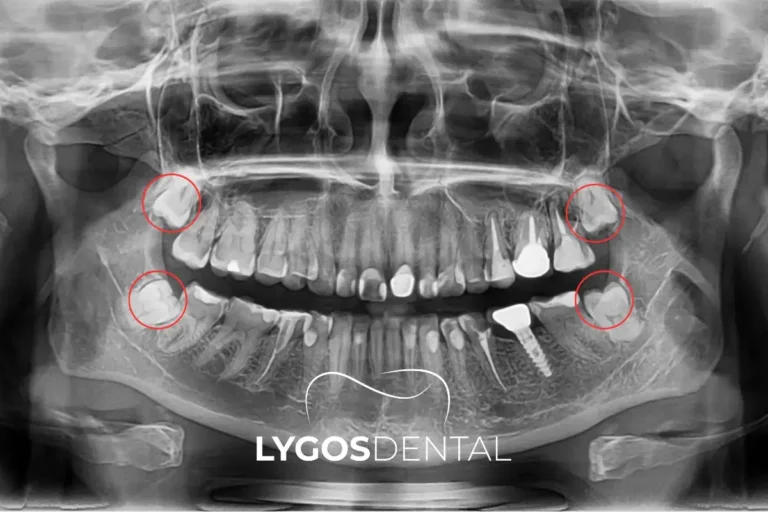
Wisdom teeth—especially impacted ones—are often the most complex. Their position at the back of the mouth, limited access, and varied root shapes can make removal more challenging. Some molars with multiple or curved roots can also require a surgical approach.
Contact a dentist promptly if you have facial swelling, fever, trouble swallowing, a bad taste with pus drainage, or pain that spreads and doesn’t improve. These can be signs of a progressing infection that should not be ignored.
Infection and damage can worsen, spreading to bone, causing abscess, pain, and tooth loss.
Waiting can increase infection, pain, root damage, and make extraction more difficult.
Nerve death can take days to months, and pain may persist intermittently.
Dental local anesthetic stops tooth nerve pain immediately; see a dentist urgently.
Damaged tooth nerve feels like sharp, lingering pain to hot, cold, or biting.
Ibuprofen is usually best; acetaminophen helps if NSAIDs aren’t safe.
