
Dec 9, 2025
What Happens If a Tooth That Should Be Extracted Is Not Removed?
So, how does tooth loss affect speech? In this article, we will examine in detail the…
A toothache from a cavity usually means the decay has irritated the inner tooth. For short-term relief, rinse with warm salt water, use a cold compress, and take over-the-counter pain relief as directed on the label. Schedule a dentist visit for a filling or root canal, especially if swelling or fever appears.
Cavity-related tooth pain is common, and it can disrupt sleep, eating, and concentration. Home remedies can calm symptoms for a few hours, but they do not remove decay. The lasting fix comes from treating the cavity itself.

Cavities start when acid from plaque bacteria weakens the enamel. As decay progresses, it can reach dentin and then the pulp, where nerves and blood vessels sit. That irritation can trigger sharp pain, sensitivity to hot or cold, or a constant ache.
These steps can make you more comfortable until you can see a dentist. If pain is severe, persistent, or keeps returning, book an urgent dental appointment.
Mix ½ teaspoon of salt into a glass of warm water. Swish for 30 seconds, then spit. Repeat as needed.
Apply a cold pack to the outside of the cheek for 10–15 minutes at a time. Use a cloth barrier to protect the skin.
Many people find acetaminophen (paracetamol) or ibuprofen helpful when used exactly as directed on the package. Avoid placing aspirin directly on the tooth or gums, and do not give aspirin to children or teens unless a clinician tells you to.
Brush gently with fluoride toothpaste and floss carefully around the painful tooth to remove trapped food. If cold air triggers pain, keep the mouth closed outdoors and avoid very cold drinks.
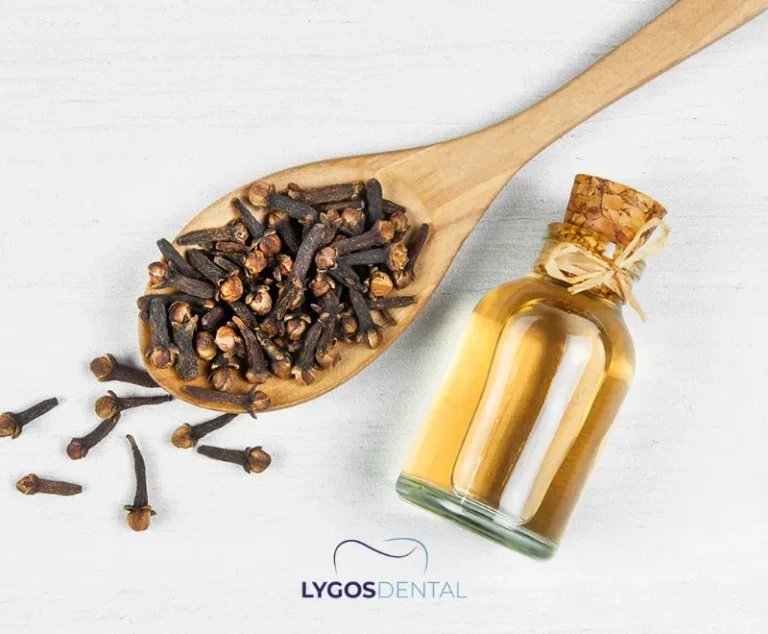
Some natural products may numb the area or reduce irritation for a short time. They can also cause burning or allergy in sensitive mouths, so use small amounts and stop if it stings.
Dab a tiny amount on a cotton swab and apply to the tooth, not the gum. If it feels too strong, dilute with a few drops of edible oil. Do not swallow clove oil.
Cool a brewed tea bag, then place it against the sore area for a few minutes. This may feel soothing, especially for mild sensitivity.
These are often suggested for their antimicrobial or anti-inflammatory properties, but evidence is limited. If you try them, use a small amount and avoid leaving strong pastes on the gums, which can irritate tissue.
A dentist will examine the tooth and may take an X-ray to see how deep the decay goes. Treatment depends on how far the cavity has progressed.
For early to moderate decay, the dentist removes the decayed portion and seals the tooth with a filling. Pain and sensitivity usually improve quickly once the tooth is restored.
If a large area is weakened, a crown may be recommended to protect the tooth after decay removal or after a root canal.
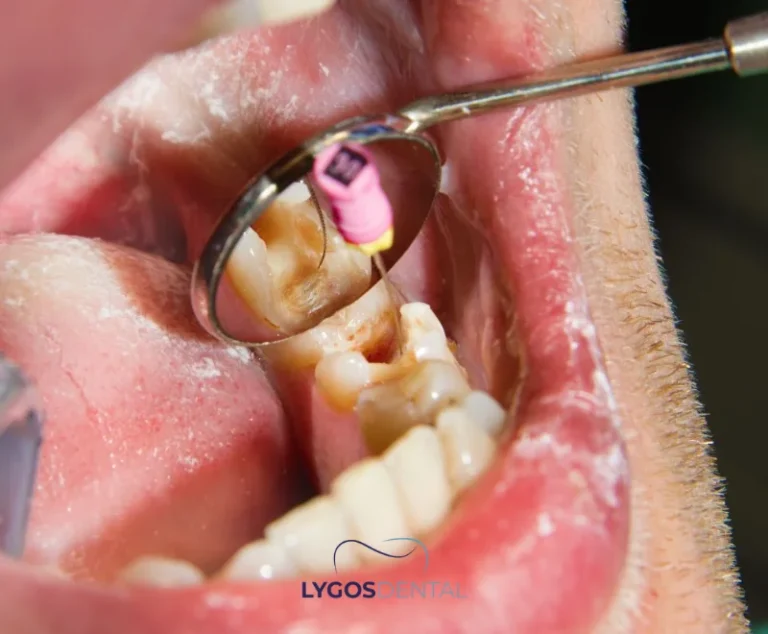
When decay reaches the pulp and the nerve is inflamed or infected, a root canal can save the tooth. The pulp is removed, the canals are cleaned, and the tooth is sealed, which stops nerve pain.
If the tooth cannot be saved, removal may be the safest option. Your dentist can discuss replacement options such as an implant or bridge.
Seek urgent dental or medical help if you notice any of the following signs, which can suggest a spreading infection:
Cavities are largely preventable with consistent habits and regular dental care:
It depends on how deep the decay is. Early cavities may cause brief sensitivity, while deeper decay can cause ongoing pain. If pain lasts more than a day or two, the chance of worsening is higher, so dental care is the safest next step.
Rinse with warm salt water, take label-directed pain relief if you can use it safely, and sleep with your head slightly elevated. Avoid sugary snacks and very hot or cold drinks before bed.
Antibiotics do not fix tooth decay. When an infection is present, the main treatment is dental care such as drainage, a root canal, or extraction. A clinician may prescribe antibiotics in specific situations, but they are not needed for most routine dental pain.
If the toothache is from an infection, heat can sometimes increase throbbing. A cold compress on the cheek is usually the safer choice for swelling.
