
Oct 28, 2025
Porcelain vs Laminate Veneers | LYGOS DENTAL
In this article, we will examine in detail the Porcelain vs Laminate Veneers..
A toothache under a filling is often caused by a high bite, short-term sensitivity, or irritation near the nerve. At home, rinse with warm saltwater, use a cold compress, and consider over-the-counter pain relief if it’s safe for you. Avoid chewing on that side and watch for swelling, fever, or pain that lasts longer than two days.
Pain under a filling can feel surprising, especially if the procedure seemed straightforward. Sometimes it settles on its own as the tooth calms down. Other times, it’s a sign the bite needs adjustment or the tooth needs further treatment.
Below are practical steps you can take at home, sensible “natural” options, and clear signs that you shouldn’t wait.
Most pain under a filling falls into a few common patterns. The timing and what triggers the pain can offer clues.
If the filling sits slightly too high, that tooth can take extra pressure when you bite down. This often feels like sharp pain when chewing. A dentist can usually fix it quickly with a simple bite adjustment.
It’s common to feel sensitivity to cold, sweet foods, or pressure for a short period after a filling. This usually improves as the tooth settles. If sensitivity is mild and trending better, home care may be enough while you monitor it.
A deep cavity or drilling close to the nerve can irritate the pulp inside the tooth. This may cause lingering sensitivity or throbbing pain. Sometimes it improves, but worsening or persistent pain can mean the nerve needs treatment.
If a filling loses its seal, if decay returns at the edges, or if the tooth develops a crack, bacteria can reach sensitive areas. Pain that keeps coming back, changes in intensity, or becomes hard to ignore is worth a dental check.
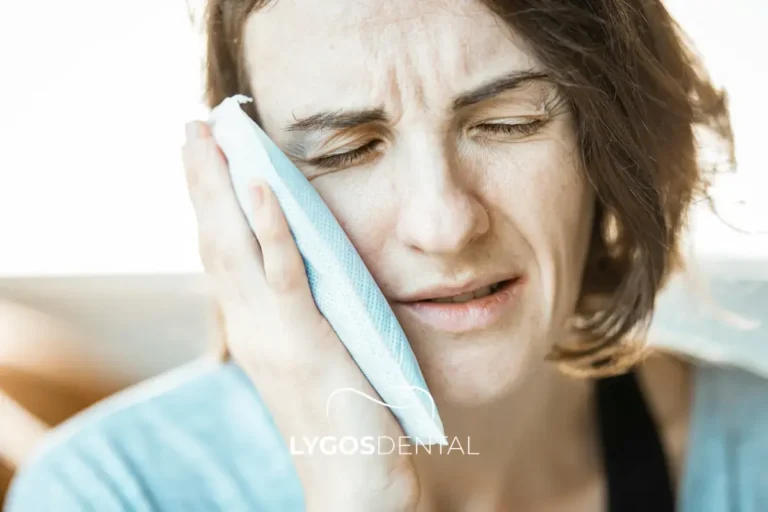
These steps are low-risk and can help you stay comfortable until you can be evaluated. They won’t fix the underlying cause, but they can reduce irritation and pain.
Rinse gently with warm saltwater, especially after eating. It can help keep the area clean and soothe irritated gum tissue.
If the area feels sore or slightly swollen, apply a cold compress to the outside of the cheek for short intervals. Avoid putting heat on facial swelling.
Nonprescription pain relievers such as ibuprofen or acetaminophen are commonly used for dental pain until you can see a dentist. Follow the label directions and avoid them if you’ve been advised not to take them.
Brush softly and floss carefully. If food is stuck near the edge of the filling, removing it can reduce pressure and gum irritation.
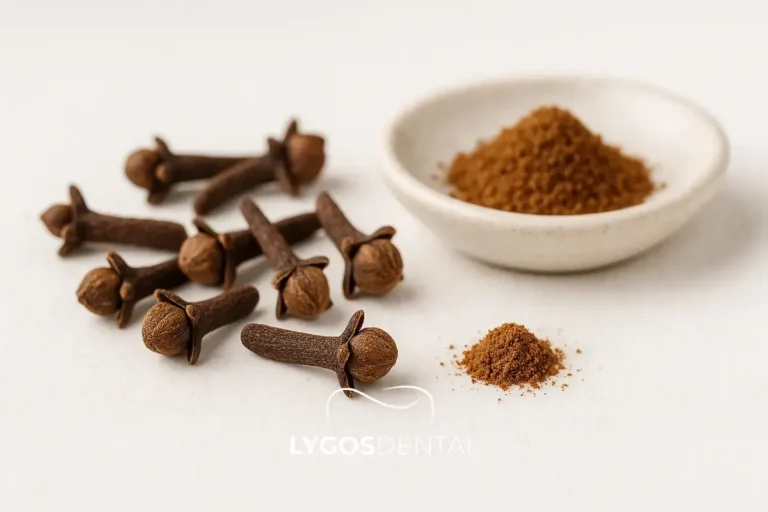
Some home remedies may offer short-term comfort. Use them cautiously, and treat them as temporary support—not a substitute for dental care.
Clove oil contains eugenol, which can numb the area for a short time. If you use it, dilute it and apply sparingly. Undiluted clove oil can irritate or burn oral tissues.
A cooled peppermint tea bag held against the sore area can feel soothing for some people. It won’t treat the cause, but it may help you feel more comfortable.
Home care is only a bridge. Seek dental advice quickly if any of the following applies:
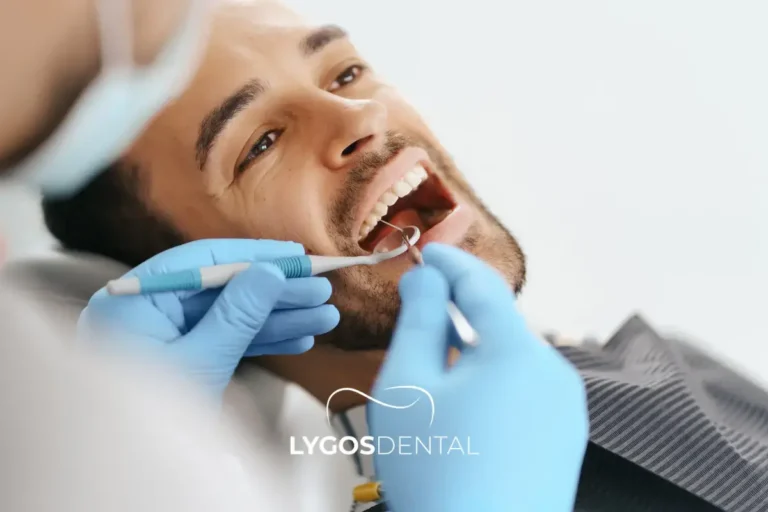
Treatment depends on the cause. Common options include:
Antibiotics are not the first-line solution for most dental pain. They’re generally considered when there are signs of spreading infection or systemic symptoms, alongside the right dental treatment.
Contact us to learn more about Cosmetic Dentistry, Dental Crowns, Dental Implants, and General Dentistry. You can also book an appointment or request service information using the form below.
Take ibuprofen/paracetamol if safe, rinse salt water, avoid hot/cold and chewing; see dentist if persistent.
Clove oil (eugenol) numbs tooth pain best; use diluted, briefly, and avoid swallowing.
You can’t treat a cavity at home; keep clean, fluoride toothpaste, avoid sugar, book dentist.
It’s informal: soothe/rinse every 3 hours for 3 minutes; see dentist in 3 days.
Minor sensitivity usually settles within a few days and resolves in 1–2 weeks.

In this article, we will examine in detail the Porcelain vs Laminate Veneers..
Meghan Markle, the Duchess of Sussex, is a name recognized across the globe. Known for her…
 Blog
Blog
At this point, the question often arises: "Interdental brush or dental floss?" Both products offer different…