
Jan 25, 2025
How to Remove Coffee Stains on Teeth | LYGOS DENTAL
Coffee lovers understand the undeniable pleasure of a hot cup of coffee. However, this beloved beverage…
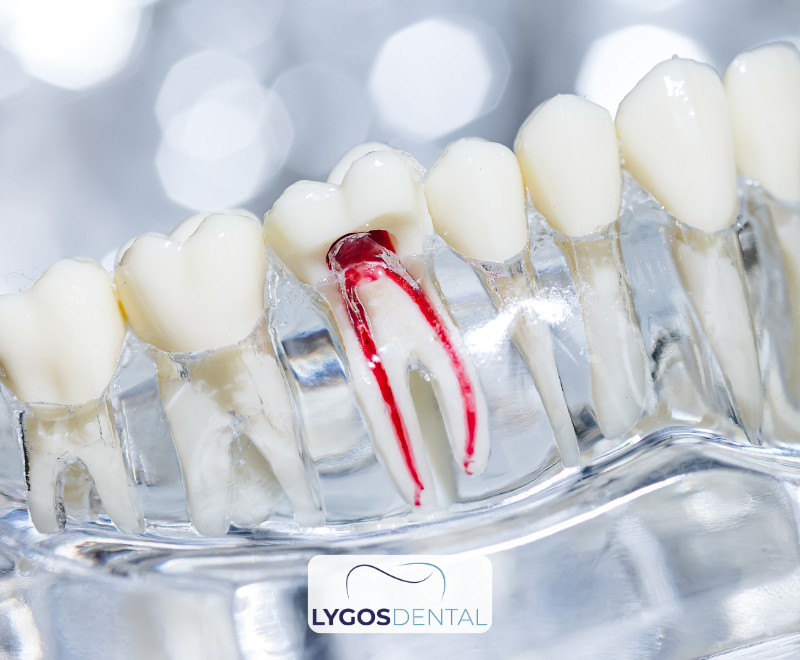
A root cavity is decay on the root surface of a tooth, typically close to where the gum meets the tooth. When gums recede, the root becomes exposed to bacteria and acids from plaque. Unlike the crown of the tooth, the root is not protected by enamel, so it is more vulnerable to breakdown.
Root cavities can cause little or no pain at first. Common signs include:
Root decay usually happens when three things come together: exposed roots, plaque bacteria, and time. These factors can increase risk:
Receding gums expose the root surface. Periodontal (gum) disease, aggressive brushing, and natural changes with age can all contribute to recession.
Plaque collects easily along the gumline and between teeth. If it isn’t removed regularly, acids and bacterial byproducts can soften cementum and dentin and start a cavity.
Saliva helps neutralize acids and wash away food particles. Medications, certain medical conditions, and dehydration can reduce saliva and make root decay more likely.
Frequent sugary or starchy snacks keep plaque bacteria active for longer. Sipping sweetened drinks over time can have a similar effect.
Grinding can wear tooth surfaces and irritate the gumline. That wear can make plaque retention easier and may worsen recession in some people.

Dentists look for softened areas, discoloration, and plaque retention near the gumline. They may use dental X-rays to check how deep the decay goes and to rule out problems between teeth or under existing restorations.
Treatment depends on how early the decay is found and whether the tooth’s nerve is involved. Your dentist may recommend one or more of the following:
Removing plaque and tartar reduces bacterial load and can help stabilize very early lesions when combined with fluoride and good home care.
High-fluoride toothpaste or in-office fluoride varnish can help remineralize and harden early root lesions.
SDF can arrest decay in many cases and is quick to apply. It permanently darkens the treated decayed area, so it’s often used where appearance is less of a concern.
If the surface is cavitated or the area can’t be kept clean, a filling is placed to protect the root. Dentists often choose materials that bond well in this area and release fluoride.
If decay reaches the pulp (nerve), a root canal removes infected tissue and allows the tooth to be restored.
If the tooth can’t be saved, removal may be recommended. Replacement options include an implant, bridge, or partial denture.

Prevention focuses on controlling plaque at the gumline, protecting exposed roots, and supporting healthy saliva flow:
Untreated root decay can deepen and spread toward the tooth’s nerve. That can lead to persistent pain, infection, abscess formation, and tooth loss. Oral infections can also strain general health, particularly for people with certain medical conditions, so prompt treatment is the safest approach.
Yes, root cavities can be filled or crowned; severe decay may need extraction.
Feels like sensitivity to cold, sweets, brushing, and sometimes a dull ache.
A root canal is needed when decay reaches the pulp or causes infection.
Yes, they can be more painful because root dentin is less protected.
Early signs include lingering cold sensitivity, spontaneous pain, pain on biting, or swelling.
Untreated root decay can progress to abscess, severe pain, tooth loss, and systemic infection.
