
Aug 11, 2025
How to Prevent Gum Recession in Smokers
So, how can gum recession in smokers be prevented? In this article, we will examine in…
A temporary filling is a short-term material placed to protect a tooth while treatment is still in progress. Dentists use it after procedures like root canal therapy or when a tooth needs time to settle before a permanent filling or crown. It helps block bacteria, reduce sensitivity, and keep the tooth sealed until your next appointment.
A temporary filling is used when a tooth needs protection, but the final restoration cannot be placed yet. It acts like a protective cover, sealing the tooth between visits. This step is planned and common in treatments that require more than one appointment.
Temporary fillings are often placed after a root canal when the inside of the tooth has been treated but the final restoration must wait. They are also used when swelling, infection, or sensitivity needs to calm down first. Placing a permanent filling too soon can increase the risk of ongoing pain or complications.
Dentists may choose a temporary filling when:
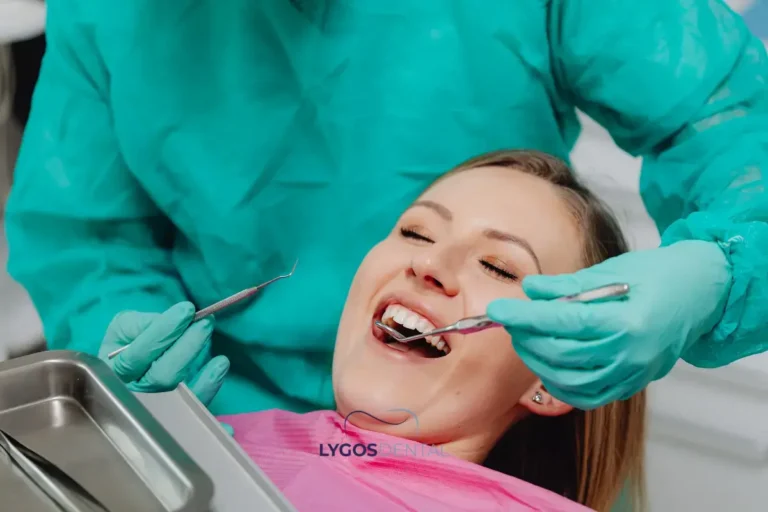
Temporary fillings are not designed to last for months or years. Many stay in place for a few days to a few weeks, depending on the material and the bite forces on that tooth. Because the material is softer than permanent options, it can wear down, crack, or fall out over time.
If a temporary filling comes out, avoid leaving the tooth open. Food and bacteria can irritate the area, especially after root canal treatment. Contact your dentist as soon as you can for advice and a replacement.
A temporary filling helps protect a tooth without rushing the final treatment. Every tooth responds differently, and your dentist may want to confirm that symptoms improve before placing a long-lasting restoration. This approach can reduce the chance of future sensitivity or the need for repeat treatment.
A temporary filling can help by:
The difference is not only how long they last. Temporary fillings are softer and easier for a dentist to remove at the next visit. Permanent fillings are stronger, built for daily chewing, and intended to last for years when the tooth is stable.
Temporary fillings are typically:
Permanent fillings are typically:
Getting a temporary filling is usually comfortable. If the tooth was treated just before the filling, it is often already numb. You may feel pressure during placement, followed by mild sensitivity afterward.
Mild sensitivity often settles on its own. Sharp pain, increasing discomfort, or swelling is not typical and should be checked by a dentist.
You can eat, but it helps to be careful because temporary materials are not as strong as permanent restorations. Hard, crunchy, or sticky foods can chip the filling or pull it out. If possible, chew on the opposite side until your next appointment.
Helpful tips include:
Daily care is similar to your normal routine, but gentle technique matters. Brush carefully around the tooth and avoid aggressive scrubbing at the edges of the filling. When flossing, slide the floss out to the side instead of snapping it upward, which can dislodge the material.
Most importantly, keep your follow-up appointment. Temporary fillings are a planned step, not the final solution, and delaying treatment can lead to cracking or reinfection.
Reach out to your dental office if the filling falls out, the tooth feels sharp, or you notice worsening pain. It is also worth calling if you have swelling, fever, or a bad taste that does not go away. These signs can suggest irritation or infection that needs timely care.
If you have questions about a temporary filling or need to schedule a follow-up visit, contact your dental clinic for guidance. Many practices can also advise on cosmetic dentistry, crowns, implants, and general dentistry options based on your needs.
A temporary filling usually lasts a few days to several weeks, sometimes longer.
A dentist uses a temporary filling to protect a tooth between treatment visits.
Temporary fillings are short-term and weaker; permanent fillings are durable, long-term restorations.
Yes, but avoid sticky, hard, or very hot foods that can dislodge it.
They can wear, leak, break, or fall out, causing sensitivity or decay risk.
Yes, brush gently and floss carefully, keeping pressure off the temporary filling.

So, how can gum recession in smokers be prevented? In this article, we will examine in…
Tooth loss is a significant issue both aesthetically and functionally. Upper dental implants cost can vary…
 Blog
Blog
Nicole Kidman Teeth Transformation: Everything You Need to Know Nicole Kidman’s smile has noticeably evolved from…