
Jun 30, 2025
Gum Problems in the Elderly
So, how should dental care be done in the summer months? With hot weather and changing…
An amalgam filling is a long-lasting “silver” dental filling used mainly for back teeth. It’s made from a blend of metals, including mercury that binds the alloy into a strong material. Most health authorities consider amalgam safe for the general population, while some higher‑risk groups may be advised to choose alternatives.
Dental amalgam is a restorative material used to repair a tooth after decay has been removed. Because it resists wear and pressure, it is commonly used for molars and premolars where chewing forces are highest. The dentist shapes the material inside the prepared cavity and it hardens into a solid filling.
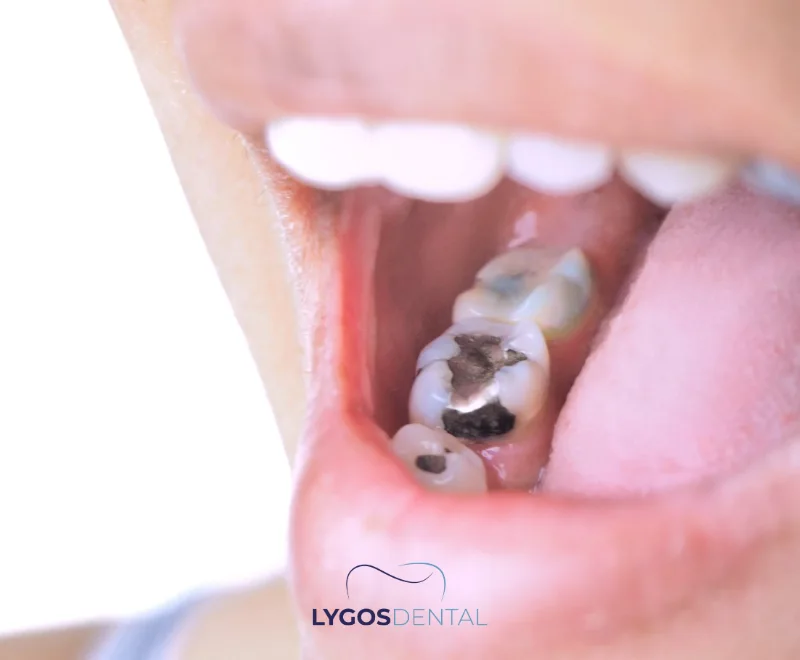
Amalgam is a metal alloy made by mixing liquid mercury with a powdered alloy of other metals. Typical ingredients include silver, tin, and copper, along with mercury to bind the mix. Once placed, the material sets and becomes firm, which is one reason it has a long clinical track record.
Amalgam remains a practical option in certain situations. It tolerates moisture better than some tooth‑colored materials during placement and can be faster to place in difficult-to-isolate cavities. In large cavities on back teeth, it can offer dependable longevity at a lower cost than many alternatives.
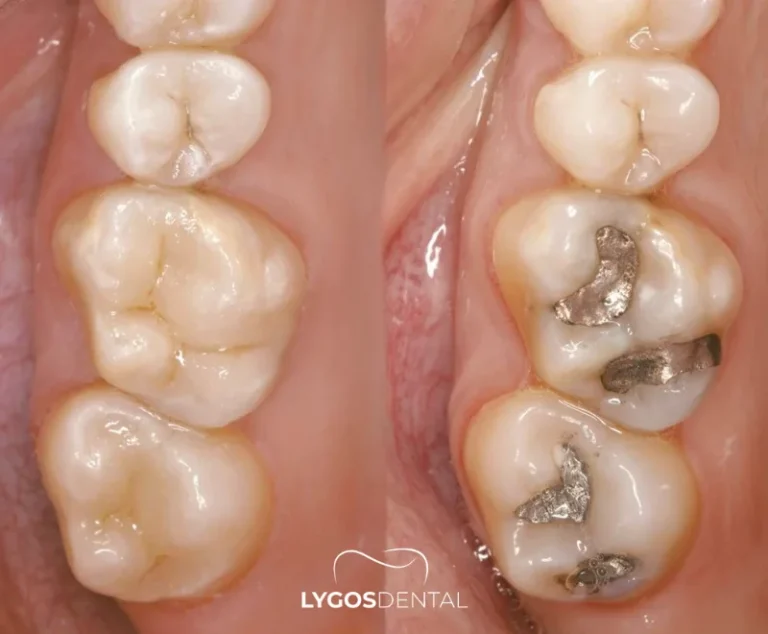
The main debate around amalgam relates to mercury, which is part of the material. In a set filling, mercury is bound within the restoration, but small amounts of mercury vapor can be released, especially when the filling is placed or removed. Most patients do not experience health problems from amalgam, yet medical guidance can differ for certain groups.
Major dental and public health organizations generally state that dental amalgam is a safe and effective filling material for the general population. Some authorities also note that people with allergies to any amalgam components should avoid it. Guidance often emphasizes that removing an intact, well-functioning filling only to “get rid of mercury” is usually not recommended.
Some higher‑risk groups may be advised to use non‑amalgam materials whenever suitable. This may include people with known mercury or metal allergies and certain patients with specific health conditions, based on clinical judgment. Pregnant or nursing patients and children may also be offered alternatives depending on local guidance and availability.
If an amalgam filling is intact, not leaking, and there is no decay underneath it, replacement is rarely urgent. Removing a filling can temporarily increase exposure to mercury vapor and may require taking away additional healthy tooth structure. Replacement is typically considered when the filling is cracked, worn, recurrent decay is present, or for a clear medical reason discussed with your dentist.

Choosing a filling material is a balance between strength, appearance, tooth location, and budget. Amalgam is usually stronger than many tooth‑colored options in high‑load areas, but it is also more visible. Your dentist will weigh factors like cavity size, bite forces, and your aesthetic preferences.
Follow your dentist’s instructions for the first day after treatment. Avoid very hard foods on the treated side until the filling has fully set and your bite feels normal. If you notice a high spot, sharp edge, or pain when chewing, schedule a quick adjustment.
Pricing varies by country, clinic, and the size of the cavity (single‑surface, two‑surface, or three‑surface restorations). Extra needs—such as X‑rays, anesthesia, or treating deeper decay—can also change the total cost. Ask for a written estimate that lists the procedure, material, and any follow‑up visits.
In Türkiye, many clinics reference the Turkish Dental Association’s annual fee tariff as a baseline, though actual clinic fees may differ. In the 2026 tariff, VAT‑included fees for amalgam fillings are listed by surface: one‑surface 2,845 TL, two‑surface 3,805 TL, and three‑surface 4,845 TL. Your dentist can confirm which category your cavity fits and whether additional procedures are needed.
Yes, amalgam is safe for most patients; high-risk groups may need alternatives.
Dentists reduced use due to mercury regulations, aesthetics, and improved tooth-colored composite alternatives.
No, removing intact amalgam isn’t recommended unless failing, leaking, or mercury allergy is diagnosed.
Age 15+: amalgam is allowed; under 15 only when strictly necessary.
Yes, NHS dentists may still place amalgam fillings when clinically justified and permitted.
