
Aug 26, 2025
Hollywood Smile Turkey vs Dubai | LYGOS DENTAL
Hollywood Smile Turkey vs Dubai — which is more advantageous? In this article, we will compare…
An ectopic tooth is a tooth that develops or erupts outside its normal path, such as a canine or wisdom tooth that comes in at an unusual angle or in the wrong spot. It may cause crowding, pain, swelling, or damage to nearby teeth, but some cases are found only on X‑rays. Treatment ranges from monitoring to orthodontic guidance or surgical removal.
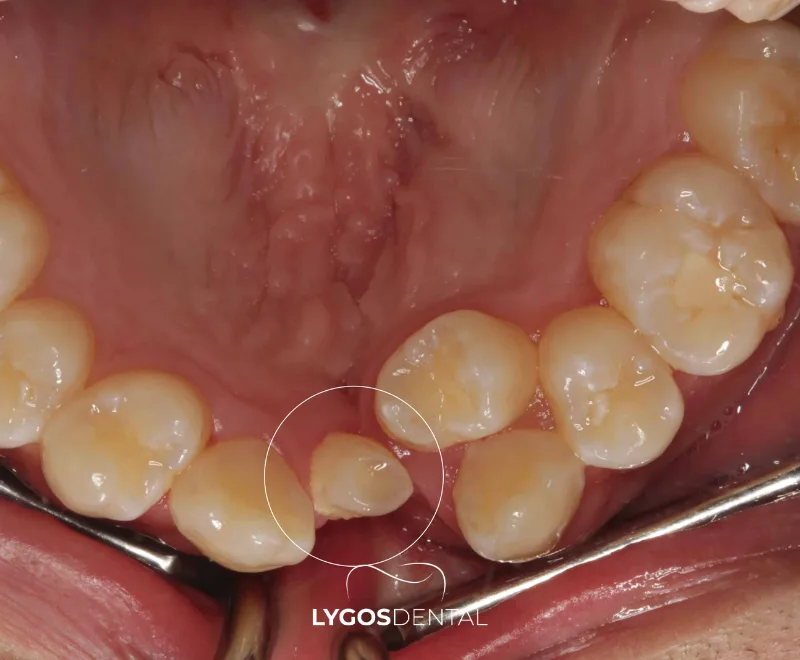
An ectopic tooth is a tooth that erupts in an abnormal position instead of its expected place in the dental arch. It may sit outside the jawbone’s normal eruption pathway, remain trapped in the bone, or emerge in the gum at an unusual angle. Ectopic eruption is most often discussed in relation to maxillary (upper) canines and third molars, but any tooth can be affected.
Ectopic eruption usually has more than one cause. In many people, the issue is local—space, timing, or guidance problems during tooth development—rather than one single trigger.
Many cases are identified in childhood or early adolescence, when permanent teeth are erupting and orthodontic checks are common. A frequent window for detection is roughly ages 7 to 14, particularly for upper canines. Wisdom teeth may be discovered later, often between ages 17 and 25, especially when they become symptomatic or show up on imaging.
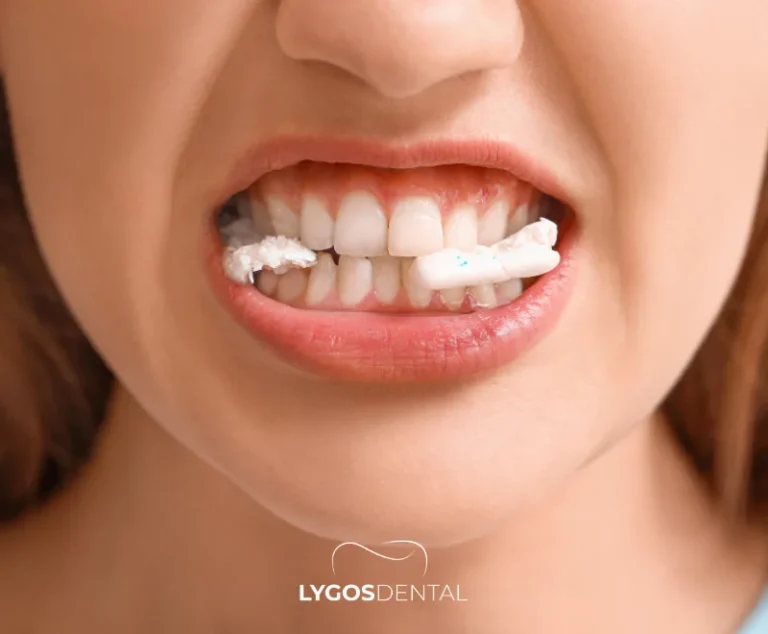
Symptoms depend on where the tooth is located and whether it is erupting into the mouth or remains impacted. Some people have no symptoms and only learn about the problem during a routine dental exam or X‑ray.
Left unmanaged, ectopic teeth can create both cosmetic and functional issues. The main concern is damage to surrounding structures, including adjacent tooth roots and supporting bone.
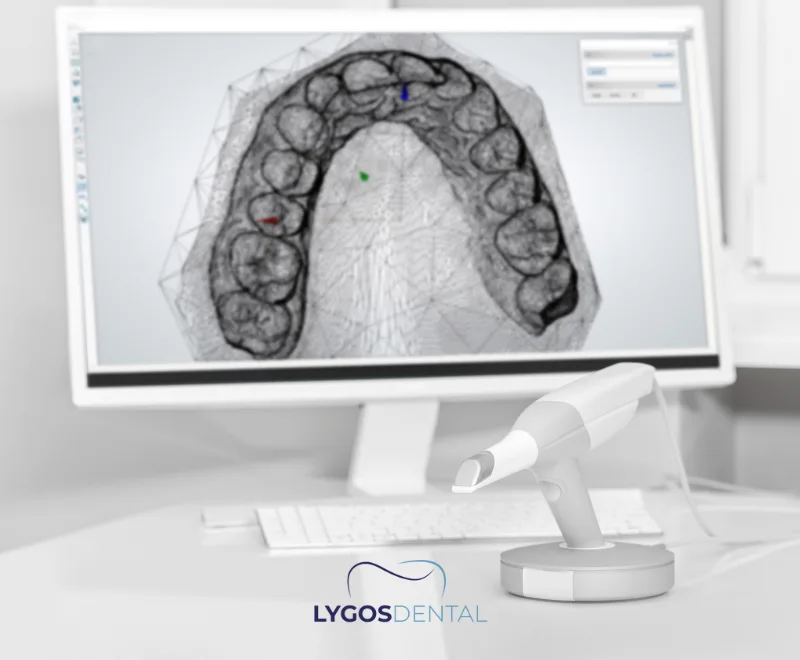
Diagnosis starts with a clinical exam, but imaging is often needed to confirm the tooth’s exact position. Dentists commonly use panoramic X‑rays, and may recommend CBCT (3D imaging) when surgical planning or complex anatomy is involved.
Treatment depends on the tooth involved, its position, your age, and whether there is a risk of harm to nearby teeth. Many plans aim to prevent complications first, then restore function and alignment.
If there is enough space and the tooth can be guided into place, orthodontic treatment may help move it into the correct position. This approach is often considered for ectopic upper canines, especially when detected early.
When the tooth is too far from its normal path, or when it poses a risk to nearby teeth, a dentist or oral surgeon may recommend surgery. Options include surgical exposure (sometimes combined with braces) or extraction for teeth that cannot be repositioned safely.
If the ectopic tooth is fully impacted, symptom-free, and not threatening nearby structures, careful monitoring can be appropriate. This usually involves periodic imaging and review to watch for changes such as cyst formation or pressure effects.
Some people notice a tooth coming in out of place, swelling, or crowding. Others have no symptoms, and the tooth is found on routine X‑rays or orthodontic scans.
Occasionally a mildly misdirected tooth improves as space is created, but many cases do not self-correct. Early dental assessment is the safest way to avoid complications.
No. If the tooth can be guided into position or if it is stable and not causing harm, removal may not be necessary. Your dentist will base the plan on imaging and risk.
General dentists can diagnose ectopic eruption, but orthodontists and oral surgeons often manage treatment, especially for impacted canines or wisdom teeth.
