
Nov 7, 2025
How to Follow Up with Patients After Dental Tourism | LYGOS DENTAL
In this article, we will examine how to follow up with patients after dental tourism, step…
Anodontia is a rare condition where a person is born without some or all teeth because tooth development never occurs. It is usually linked to genetics and may appear alone or with syndromes like ectodermal dysplasia. Dentists confirm it with an exam and dental X-rays, then plan treatment such as dentures, implants, or orthodontics.
Missing teeth can affect appearance, speech, and how well you chew. While many cases are caused by injury or decay, some people are born without certain teeth—or, more rarely, without any teeth at all.
When patients ask, “What is anodontia?”, the simplest answer is that it’s a congenital tooth-development disorder. With early diagnosis and a tailored plan, most functional and aesthetic concerns can be managed effectively.
Anodontia is the congenital absence of teeth due to disrupted tooth development during early growth. It can involve primary teeth, permanent teeth, or both. The condition ranges from missing a small number of teeth to the complete absence of all teeth.
Clinicians often group congenital tooth absence by how many teeth are missing. These categories help dentists plan timing, prosthetics, and long-term follow-up.
Symptoms vary by severity and the age at which missing teeth become noticeable. Common signs include:
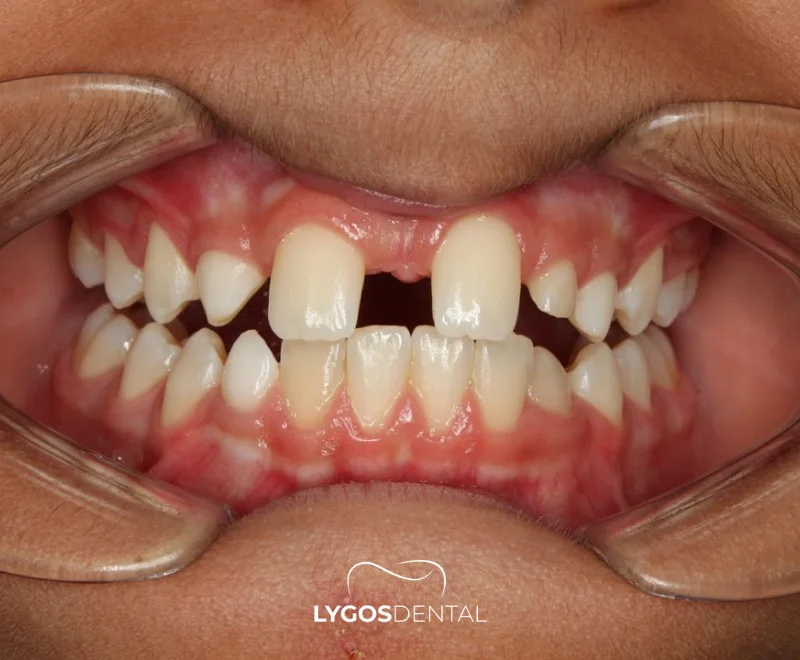
Anodontia is most often genetic. It can run in families or occur as part of a broader syndrome that affects ectodermal structures (such as hair, skin, sweat glands, and nails).
Potential contributors include:
Diagnosis usually begins when tooth eruption is delayed or when teeth appear to be missing. A dentist confirms whether teeth are absent or simply unerupted using clinical and imaging findings.

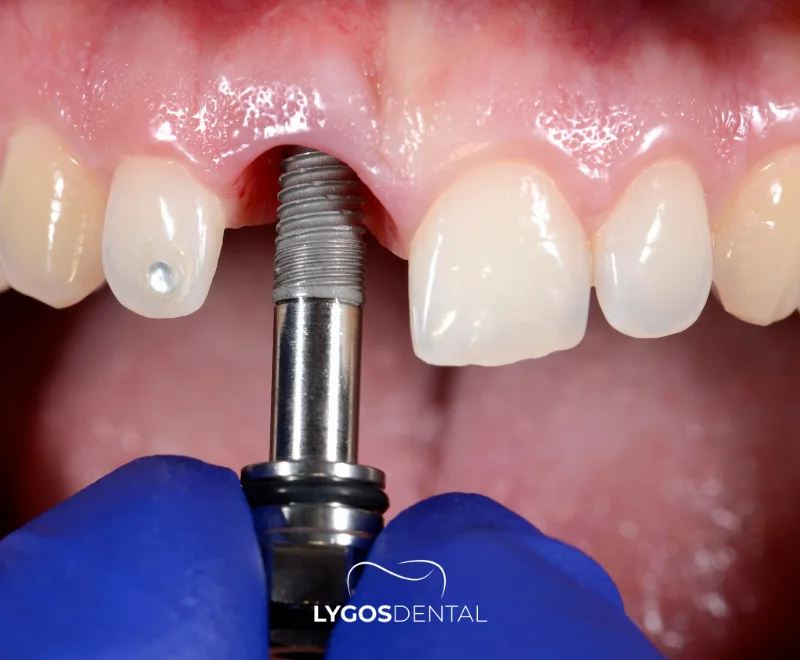
Treatment is individualized and depends on age, the number of missing teeth, jaw development, and overall oral health. Care is often coordinated between pediatric dentistry, orthodontics, prosthodontics, and sometimes medical genetics.
It’s too late once periodontitis causes irreversible attachment or bone loss.
Brushing twice daily and cleaning between teeth is the best home care for gum disease.
Yes—receding gums can be repaired with periodontal treatment and gum graft surgery.
A stannous-fluoride toothpaste helps reduce gingivitis and protect exposed roots.
Yes—with treatment and maintenance, gum disease can be controlled long-term.
Untreated periodontitis can lead to tooth loss over years to decades.
