
Mar 12, 2025
Dental Crown Fell Off?
The best answer to the question "What is preventive dentistry?" is that it is a branch…
aby bottle tooth decay, also called early childhood caries, happens when an infant’s teeth are repeatedly exposed to sugary liquids—most often from sipping or falling asleep with a bottle. Sugars feed bacteria that make acid, which weakens enamel and causes cavities. Good feeding habits, daily cleaning, and early dental visits can prevent most cases.
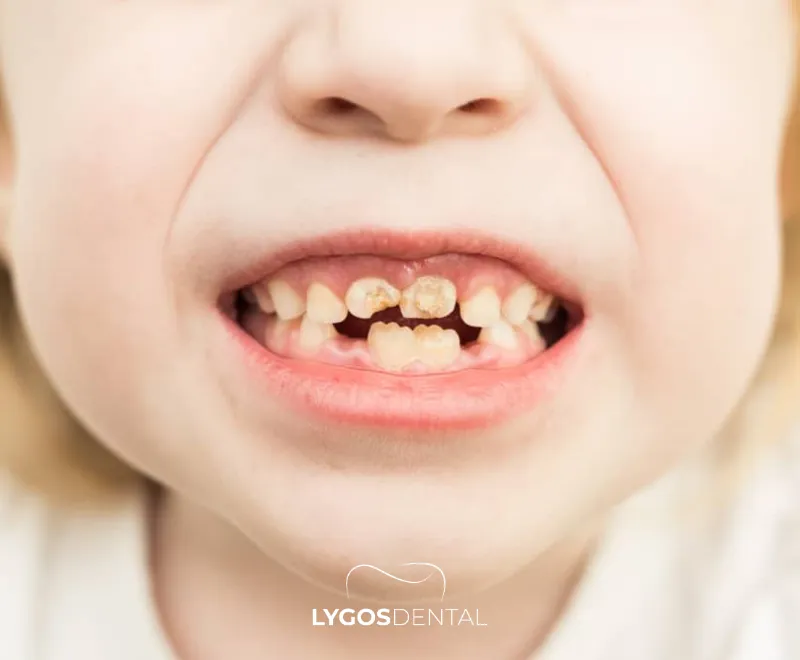
Baby bottle tooth decay is a type of early tooth decay that affects infants and toddlers. It develops when teeth are exposed to sugars for long periods—especially when a child sips sweet drinks throughout the day or falls asleep while feeding.
You may also hear it called early childhood caries (ECC). It often starts on the upper front teeth, but it can spread to other teeth if the habits that caused it continue.
Cavities form when bacteria in dental plaque use sugars from drinks and foods to produce acid. That acid attacks enamel repeatedly, and young teeth can break down quickly.
Common triggers include:
Baby bottle tooth decay often begins on the upper front teeth because they can be bathed in liquid during feeding. Lower front teeth are sometimes less affected because the tongue and saliva offer more natural protection.
Early detection makes treatment easier. Look for:

Try not to let your child fall asleep while sucking on a bottle. If your child needs a drink for comfort, water is the safest option for teeth.
Many pediatric guidelines encourage beginning the move from bottle to a cup around the first birthday, which can reduce the time teeth are exposed to liquids.
Avoid offering juice or other sweetened drinks in a bottle. Milk, breast milk, and formula are best kept to feeding times, while plain water works well between meals when appropriate.
A routine that matches your baby’s age helps prevent plaque from building up. Aim for short, consistent sessions rather than long battles.
Birth to first tooth:
When the first tooth erupts:
Ages 3 to 6:
Book the first dental visit when the first tooth appears or by age one. Early visits help you catch early changes, review feeding habits, and get personalized guidance.
Contact a dentist if you see white spots, dark staining, cracks, or holes in the teeth, or if your child seems uncomfortable when eating. Early childhood cavities can progress quickly, and early care can help avoid pain and more complex treatment.
Early white-spot lesions can sometimes be stabilized with better hygiene and professional guidance. Once a cavity forms, it usually needs dental treatment.
It often starts on the upper front teeth, but it can spread to other teeth if sugary exposure continues and cleaning is inconsistent.
Nighttime feeding can increase risk because saliva flow drops during sleep. The bigger issue is frequent, prolonged contact between teeth and sugars—especially when a child falls asleep while feeding.
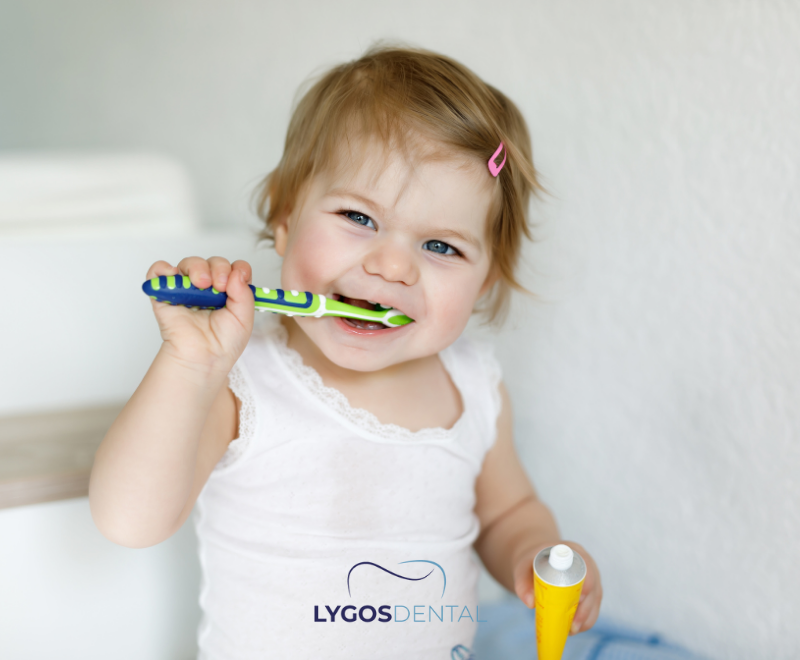
Keep sessions short and calm, brush at the same times each day, and use a small, soft brush. Let your child hold a second brush as a distraction, and focus on consistency rather than perfection.

The best answer to the question "What is preventive dentistry?" is that it is a branch…
 Blog
Blog
Dental aesthetic operations are increasingly popular for enhancing smiles and boosting confidence. However, achieving optimal results…
Best Dental Clinics in Bahçelievler, such as Lygos Dental, offer comprehensive solutions to patients with modern…