
Apr 22, 2025
Dental Care For Kids
When it comes to children's health, one area that often gets overlooked is dental hygiene. Dental…
Orthodontic dental wax is a soft, moldable barrier that covers sharp brackets or wires so they stop rubbing your cheeks, lips, or gums. Dry the metal, warm a pea-sized piece between clean fingers, then press it firmly onto the irritating spot. Swap it out after meals or brushing, or anytime it loosens.
Dental wax (also called orthodontic wax) is a soft, pliable material designed for people wearing braces and other orthodontic appliances. It temporarily covers sharp edges on brackets, hooks, and wire ends. Once it warms to body temperature, it molds into a smooth layer that reduces friction against the soft tissue inside your mouth.
Most orthodontic waxes are made from food-safe waxes such as paraffin, beeswax, or carnauba wax. They’re usually clear or slightly opaque, and some are lightly flavored. Wax is meant for comfort, not repair—if something is broken or poking, your orthodontist still needs to fix the cause.
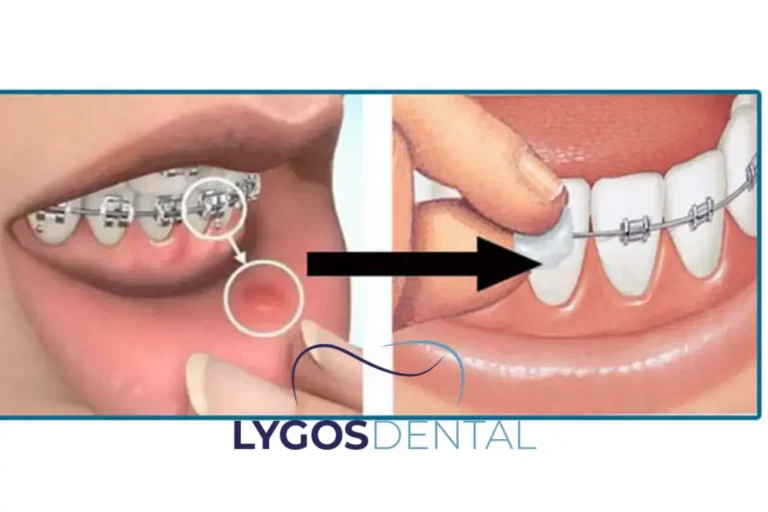
Wax is most helpful during the first week of braces, after adjustments, or anytime a new component starts rubbing. It can also protect a sore spot while your mouth heals.
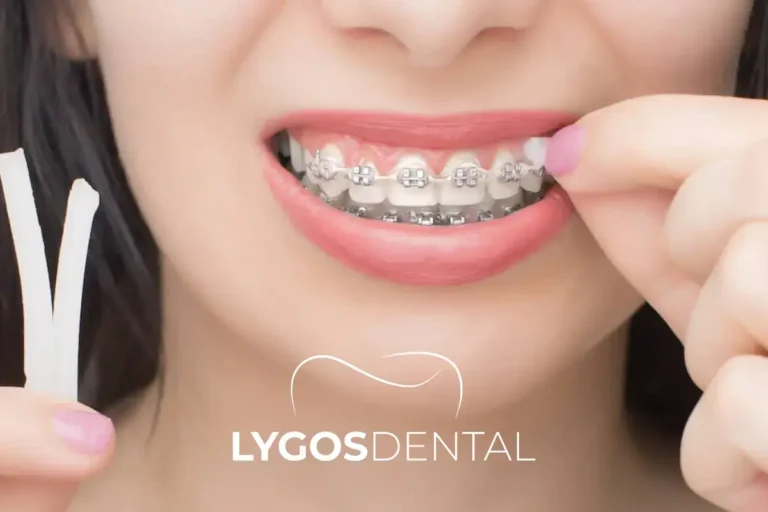
Using the right technique helps wax stay in place longer and keeps the area cleaner.
Clean hands reduce the chance of introducing bacteria when you touch your braces.
Wax won’t stick well to wet metal. Use a tissue, gauze, or a cotton swab to dry the bracket or wire.
Pinch off a pea-sized amount. Too much wax can feel bulky and may fall off sooner.
Roll it between your fingers for a few seconds until it softens, then form a small ball or flat pad.
Place the wax directly over the bracket or wire end and press firmly. Smooth the edges so it forms a comfortable shield.
Change the wax if it becomes dirty, loose, or uncomfortable, especially after eating or brushing.
Creates a cushion over sharp areas to help prevent cuts and sores.
Reduces rubbing so day-to-day activities feel more normal.
By limiting friction, it gives ulcers and tender spots time to settle.
Small accidental pieces typically pass through the digestive system without problems.
Comes in a small container and can be applied in minutes.
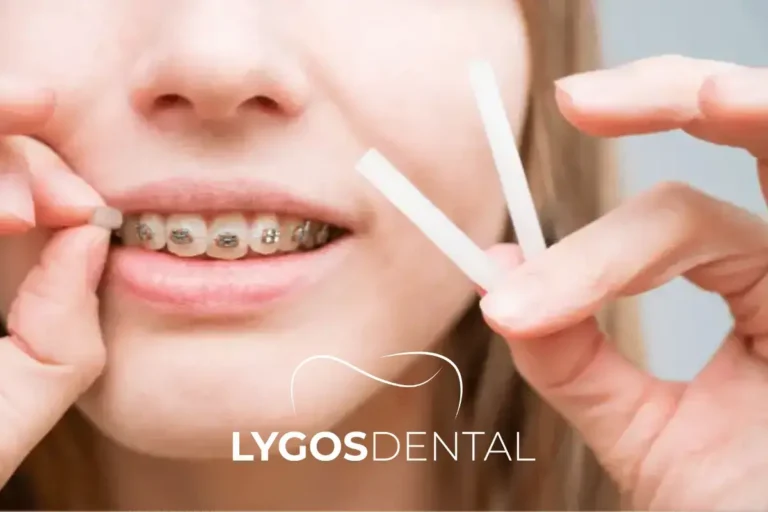
Soften a pea-sized piece, dry area, press wax over irritating spot; replace daily.
Leave it until it falls off or you remove it; replace when dirty.
Use it when braces or a sharp tooth edge irritates cheeks, lips, or tongue.
No; it only cushions irritation, so see a dentist for toothache.
Yes, but wax may dislodge; remove before hot, sticky, or hard foods.
Yes, if well-adhered; remove and reapply if it loosens to avoid swallowing.
No; remove wax before brushing and flossing, then reapply afterward if needed.
