
Sep 16, 2025
Is Dental X-Ray Harmful During Pregnancy? | LYGOS DENTAL
However, the question “Is dental x-ray harmful during pregnancy?” often raises concerns for many expectant mothers.…
Fluoride treatment is a brief, in-office application of concentrated fluoride—usually varnish or gel—that strengthens enamel, helps repair early mineral loss, and reduces the chance of cavities. It’s commonly recommended for children and for adults who get cavities often, wear braces, or have dry mouth. Your dentist will suggest the right schedule for your risk level.
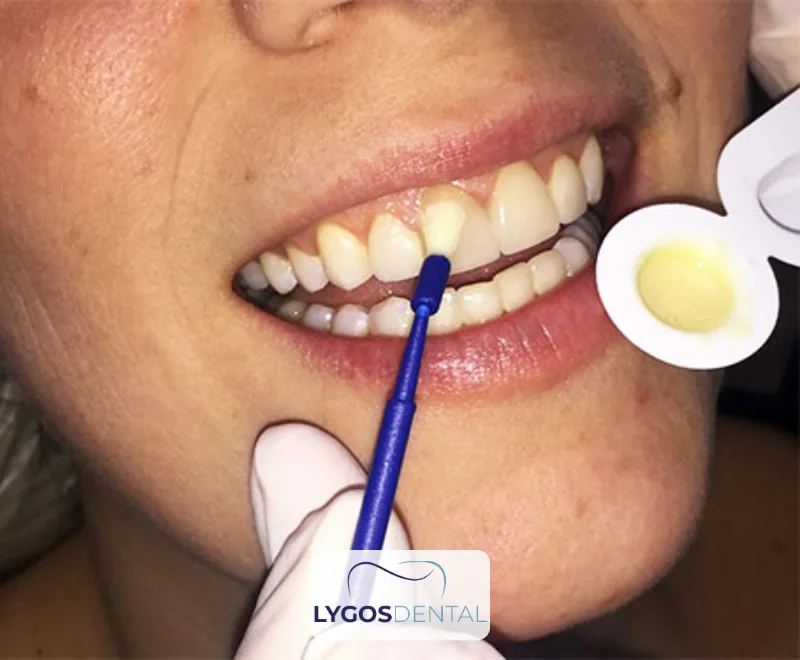
Fluoride is a naturally occurring mineral that supports enamel, the hard outer layer of the tooth.
When fluoride sits on the tooth surface, it helps replace minerals lost during acid attacks and makes enamel more resistant to future damage. It can also slow the activity of cavity-causing bacteria.
You get small amounts of fluoride from toothpaste, drinking water in many areas, and some foods. Professional fluoride treatments deliver a higher concentration directly where it’s needed.
Dentists often recommend topical fluoride for people with a higher-than-average risk of tooth decay. Common examples include:
A quick exam helps your dentist decide whether you need fluoride varnish, gel, foam, or a prescription-strength home option.
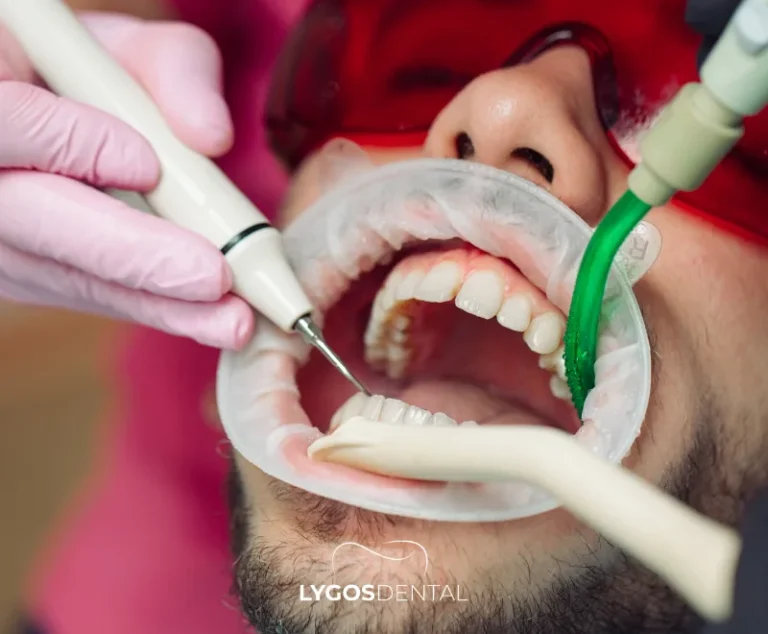
In-office fluoride treatment is simple, fast, and typically painless. A standard visit looks like this:
Most appointments take around 5–10 minutes. The goal is prevention—strengthening teeth before small problems turn into cavities.
Many children and adults do well with fluoride treatment about twice a year, often at routine checkups.
If your cavity risk is higher, your dentist may recommend applications every 3–6 months. The right frequency depends on your cavity history, diet, home care, and factors like braces or dry mouth.
After fluoride varnish or gel, follow your dentist’s instructions. Common guidance includes:
If you’re unsure what applies to the product used in your visit, call the clinic and ask for the specific aftercare steps.

Professional fluoride treatment is considered safe when applied by a dental professional in appropriate amounts.
Side effects are uncommon, but they can happen:
Parents can reduce fluorosis risk by supervising brushing, using a smear or pea-sized amount of toothpaste as recommended for a child’s age, and helping children spit instead of swallowing.
Fluoride treatment prices vary widely by location, clinic, and the product used. Some public health programs offer fluoride varnish to children at low or no cost, while private clinics set their own fees.
Cost is usually influenced by:
For an accurate quote, ask your dental office after an exam. In many cases, prevention costs less than restoring cavities later.
Fluoride treatment is a professional topical application of fluoride (often varnish or gel) that strengthens enamel and helps prevent cavities. It’s commonly used for children, but it can also help adults with frequent cavities, dry mouth, gum recession, or braces.
No. The application is quick and usually comfortable. You may notice a temporary coating on the teeth, especially with varnish, but there’s no drilling or numbing involved.
Most in-office applications take about 5–10 minutes, not counting your cleaning and exam.
When applied by a dental professional in the correct dose, fluoride treatment is considered safe. Problems like fluorosis are typically related to long-term excessive fluoride intake in early childhood, especially from swallowing toothpaste or supplements.
Most people are advised to avoid eating or drinking for about 30 minutes. Your dentist may also suggest soft foods for a few hours and avoiding very hot, sticky, or hard foods until the varnish has set.
If you’re unsure whether fluoride treatment is right for you or your child, ask your dentist for a caries-risk assessment and a prevention plan tailored to your needs.
