
Mar 18, 2025
Painless Teeth Cleaning with Airflow
Unlike traditional methods, painless teeth cleaning with Airflow offers a pain-free and effective solution. So, what…
Dry mouth (xerostomia) usually improves by sipping water often, chewing sugar‑free gum or lozenges to stimulate saliva, and avoiding alcohol, tobacco, and alcohol-based mouthwash. Night-time dryness often improves with nose breathing and a bedroom humidifier. If symptoms last more than two weeks or you get frequent cavities, see a dentist or doctor.
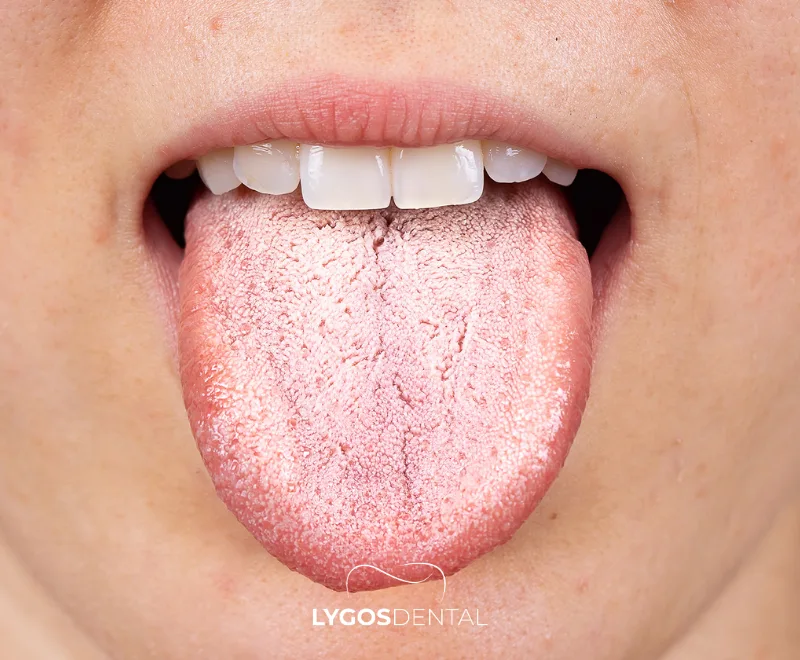
Dry mouth happens when your salivary glands do not make enough saliva to keep the mouth comfortably moist. Saliva supports swallowing, speech, and taste, and it also helps protect teeth and gums. Occasional dryness can happen to anyone, but ongoing dryness deserves a closer look.
Dry mouth can feel mild or very disruptive. People often notice one or more of these signs:
If dryness is new, persistent, or accompanied by dental problems, it helps to address the cause early.
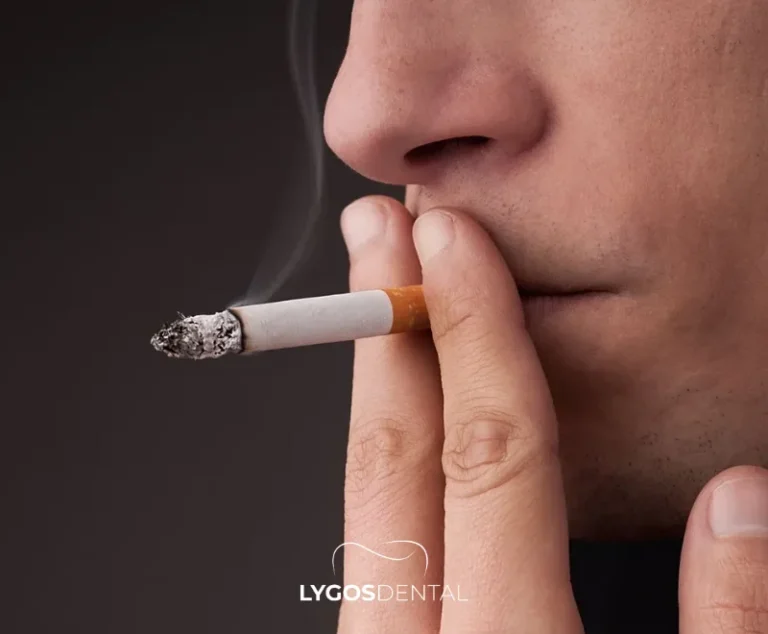
Dry mouth has many possible triggers. The most common are lifestyle factors and medication side effects, but some medical conditions can play a role too.
Many prescription and over‑the‑counter medicines can cause dry mouth. Common examples include some antidepressants, antihistamines, decongestants, pain medicines, and blood pressure drugs. Never stop a medication on your own—ask your clinician or pharmacist about alternatives or timing.
Waking up with a very dry mouth often points to mouth breathing during sleep. Nasal congestion, snoring, or sleep apnea can contribute, so treating the underlying issue can make a big difference.
The best approach depends on what is causing the dryness. These options are widely used to improve comfort and protect oral health.
Over‑the‑counter sprays, gels, rinses, and mouth moisturizers can coat and lubricate tissues when your own saliva is not enough. Look for alcohol‑free products labeled for dry mouth. A dentist can also recommend stronger options when symptoms are severe.
Low saliva makes teeth more vulnerable. Brush gently twice a day with fluoride toothpaste, clean between your teeth daily, and keep regular dental checkups. If you are prone to cavities, your dentist may recommend fluoride treatments or a high‑fluoride toothpaste.
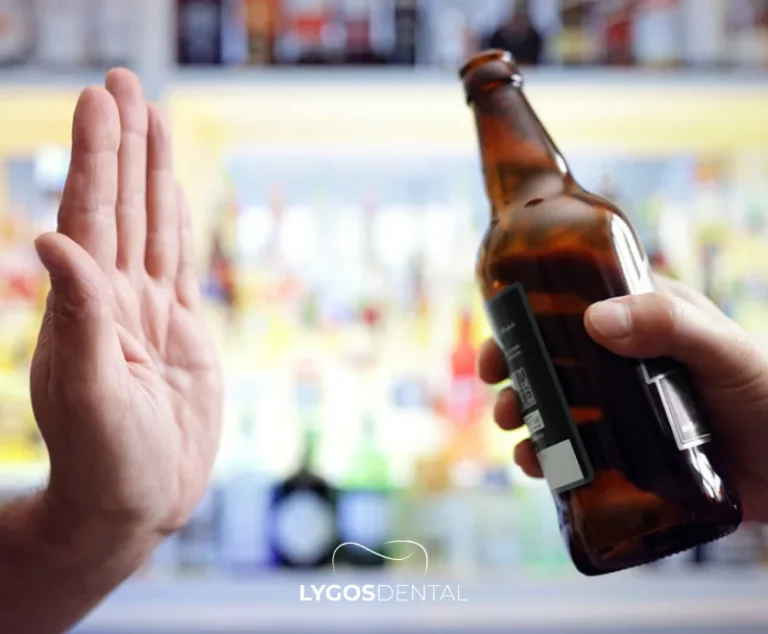
Some home remedies can improve comfort, but they work best as part of a bigger plan that also protects teeth.
Get checked if dry mouth is persistent, getting worse, or affecting eating and sleep. It is also worth an evaluation if you have frequent cavities, mouth sores, or dry eyes at the same time.
A clinician may review medications, check for dehydration or infections, and consider tests for conditions such as diabetes or Sjögren’s syndrome when symptoms point in that direction.
If dry mouth is affecting your comfort or you are noticing new cavities, a dental exam can help identify triggers and protect your teeth. Book an appointment to discuss tailored options, including fluoride protection and dry-mouth products.
Sip water, chew sugar-free gum, use saliva substitutes, and avoid caffeine/alcohol.
Hydrate regularly, manage medications, treat nasal blockage, and use a humidifier.
Medications, dehydration, mouth-breathing, Sjögren’s, diabetes, radiation, and smoking.
No specific vitamin treats dry mouth; address causes and consider sugar-free saliva aids.
Use a bedside humidifier, hydrate earlier, avoid alcohol, and treat snoring/mouth-breathing.

Unlike traditional methods, painless teeth cleaning with Airflow offers a pain-free and effective solution. So, what…
 Blog
Blog
How Much Does It Cost To Get Teeth Done In Turkey? Most people travel to Turkey…
Demi Lovato is not only celebrated for her incredible voice and acting talent but also for…