![What Is Good For Gum Pain?]()
What Is Good For Gum Pain?
Gum pain is often caused by irritation, trapped food, or early gum disease. For quick relief, rinse with warm salt water, use a cold compress for swelling, and keep brushing gently with a soft toothbrush. If your gums are swollen, bleeding, or the pain lasts more than a few days, a dentist should check the cause.
Gums are sensitive tissue, so even small problems can feel bigger than they look. The goal is to calm inflammation, keep the area clean, and spot the warning signs of infection. The steps below are safe for most people, but they do not replace a dental exam when symptoms persist.
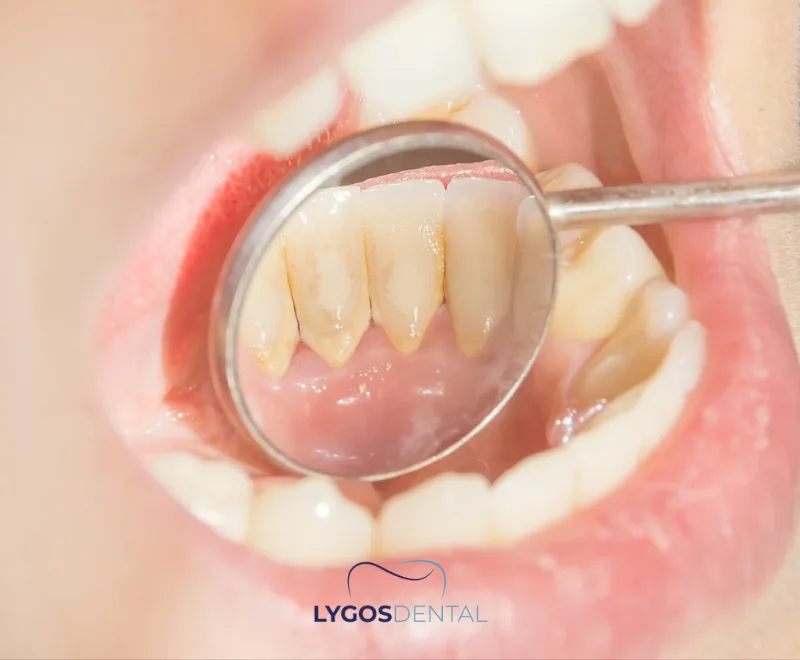
Common Causes Of Gum Pain
Gum pain has a short list of usual suspects. Pinpointing the cause matters because home care can soothe irritation, but it cannot treat a deep infection or advanced gum disease.
- Plaque buildup and gingivitis (early gum disease), which can cause red, puffy, bleeding gums.
- Tartar (calculus) along the gumline, which irritates the tissue and is hard to remove at home.
- Food stuck between teeth or under the gum edge, especially around crowns, bridges, or tight contacts.
- Abrasive brushing, a hard toothbrush, or brushing too aggressively.
- Mouth ulcers (canker sores) or minor injuries from sharp foods.
- Teething or wisdom tooth eruption (pericoronitis) causing sore tissue around a partly erupted tooth.
- Hormonal changes (pregnancy, puberty, menopause) that can make gums more reactive.
- Dry mouth, smoking, or poorly fitting dental appliances that rub the gums.
Symptoms That Often Come With Gum Pain
Gum pain rarely shows up alone. These symptoms help you judge whether you’re dealing with mild irritation or something that needs a dental visit.
- Redness, swelling, or tenderness along the gumline
- Bleeding when brushing or flossing
- Bad breath or a persistent bad taste
- Receding gums or teeth that look “longer” than before
- Soreness when chewing, or sensitivity to hot/cold
- A pimple-like bump on the gum (possible drainage from an abscess)
- Loose or shifting teeth (a late warning sign)
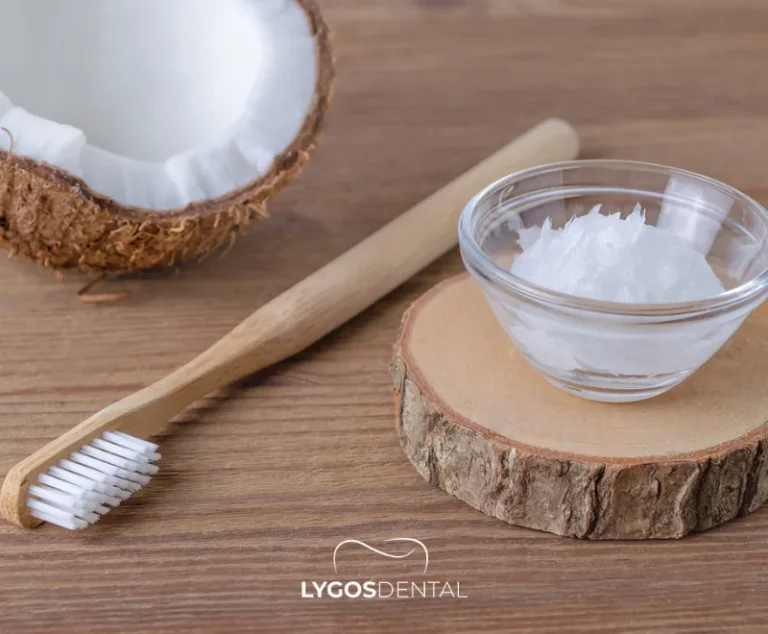
Fast Home Remedies That Usually Help
If the pain is mild and you do not have fever or facial swelling, home care can reduce irritation while you arrange a dental checkup if needed.
1) Warm Salt Water Rinse
Mix about ½ teaspoon of salt into a glass (around 8 oz / 240 ml) of warm water. Swish gently for 20–30 seconds, then spit it out. Do this 2–4 times a day, especially after meals.
2) Gentle Cleaning Around The Sore Area
Brush with a soft toothbrush and light pressure. Floss carefully to remove trapped food, but stop if you feel sharp pain. If flossing is difficult, an interdental brush or water flosser can be gentler.
3) Cold Compress For Swelling
Apply a cold pack to the cheek near the sore area for 10–15 minutes, then take a break. Cold helps reduce swelling and can dull pain, especially after minor trauma.
4) Avoid Irritants While It Heals
- Very hot, very cold, spicy, or acidic foods (citrus, vinegar-based dressings)
- Crunchy foods that can cut gums (chips, crusty bread)
- Smoking or vaping, which slows healing and can worsen inflammation
- Alcohol-based mouthwashes if they sting
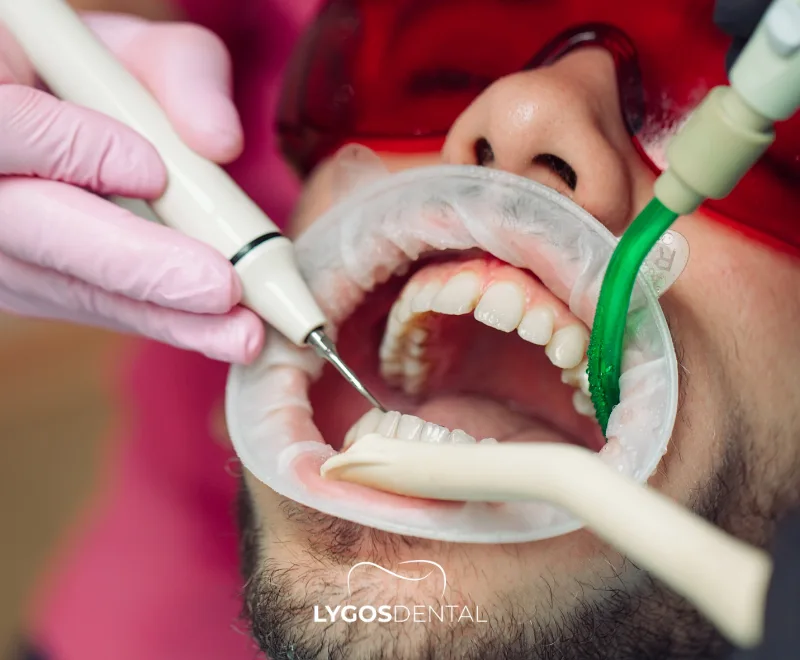
Over-the-counter Pain Relief Options
Pain relievers can take the edge off, but they do not fix the underlying cause. Use the lowest effective dose and follow the label directions.
Common OTC Choices
- Ibuprofen can help when inflammation is the main issue. Avoid it if you have a history of stomach ulcers/bleeding, kidney disease, certain heart conditions, or if a clinician has told you not to take NSAIDs.
- Acetaminophen (paracetamol) can help with pain if NSAIDs are not suitable. Stay within the maximum daily dose on the label, and be cautious if you have liver disease or drink alcohol heavily.
- Topical oral gels can numb the area for short periods. Use sparingly and follow age restrictions on the product.
What To Avoid When Treating Gum Pain
A few popular “hacks” can make gums worse. Skip these.
- Placing aspirin directly on the gums or tooth. It can burn soft tissue.
- Undiluted hydrogen peroxide or essential oils inside the mouth. These can irritate or injure tissue.
- Over-brushing to “scrub away” the problem. This often increases soreness and recession.
- Ignoring a draining bump, swelling, or fever. These can be signs of infection.
When To See A Dentist
Book a dental visit if gum pain keeps coming back or if you notice bleeding or swelling. Get urgent care if you suspect infection.
Make A Routine Appointment If You Have:
- Pain that lasts more than 3–5 days
- Gums that bleed often when brushing or eating
- Swollen, tender gums or persistent bad breath
- Receding gums or sensitivity that is getting worse
Seek Urgent Dental Or Medical Care If You Have:
- Fever, facial swelling, or swelling that spreads
- Trouble swallowing, breathing, or opening your mouth
- Severe pain that is not improving with OTC medication
- Pus, a bad taste, or a gum boil near a tooth
- Loose teeth or a sudden change in your bite
How To Prevent Gum Pain From Coming Back
Most gum pain is preventable. A steady routine works better than occasional “deep cleans.”
- Brush twice daily with a soft brush and fluoride toothpaste, focusing gently along the gumline.
- Clean between teeth daily with floss, interdental brushes, or a water flosser.
- Schedule regular dental checkups and professional cleanings, especially if you build tartar quickly.
- If you smoke, consider quitting. It’s one of the biggest risk factors for gum disease and slow healing.
- Stay hydrated and manage dry mouth (ask your dentist about saliva substitutes if needed).
Frequently Asked Questions
How Long Does Gum Pain Last?
Minor irritation can settle within 24–72 hours once the area is cleaned and you avoid triggers. If pain lasts beyond a few days, keeps returning, or comes with bleeding and swelling, a dental exam is the safest next step.
Does Salt Water Really Help Gum Pain?
Yes. A warm salt water rinse can soothe inflamed tissue and help keep the area clean. It works best as a short-term comfort measure alongside gentle brushing and flossing.
Can Gum Pain Be Serious?
It can be. Persistent pain may come from gum disease, an abscess, or a problem with a tooth or filling. Fever, facial swelling, pus, or loose teeth are red flags that need prompt care.
What Foods Should I Avoid While My Gums Hurt?
Avoid spicy, acidic, very hot, and very cold foods, plus crunchy snacks that can scratch gums. Soft, lukewarm foods are usually easier until the soreness calms down.
Can Stress Cause Gum Pain?
Stress does not directly inflame gums, but it can affect sleep, immune response, and habits like clenching or skipping oral care. If gum symptoms show up during a stressful period, focus on a simple routine and book a checkup if bleeding or swelling continues.
Is It Safe To Use OTC Painkillers For Gum Pain?
For many people, yes, when used exactly as directed on the label. If you’re pregnant, on blood thinners, have stomach, kidney, or liver disease, or you’re treating a child, check with a clinician or pharmacist first.