
Oct 31, 2024
How to Brush Your Teeth? | LYGOS DENTAL
How to Brush Your Teeth Properly Brush twice a day for two minutes using a soft-bristled…
Gum cancer (also called gingival cancer) is a form of oral cavity cancer that develops in the tissues around the teeth. Most cases are squamous cell carcinoma, which starts in the thin, flat cells lining the mouth. Because early symptoms can resemble common gum problems, persistent changes should be checked by a dental professional.
Signs vary from person to person, but these are the symptoms clinicians most often associate with cancers of the mouth and gums:
If you have a mouth sore or gum change that lasts longer than two weeks, book a dental appointment. Most causes are not cancer, but it’s worth ruling out anything serious.
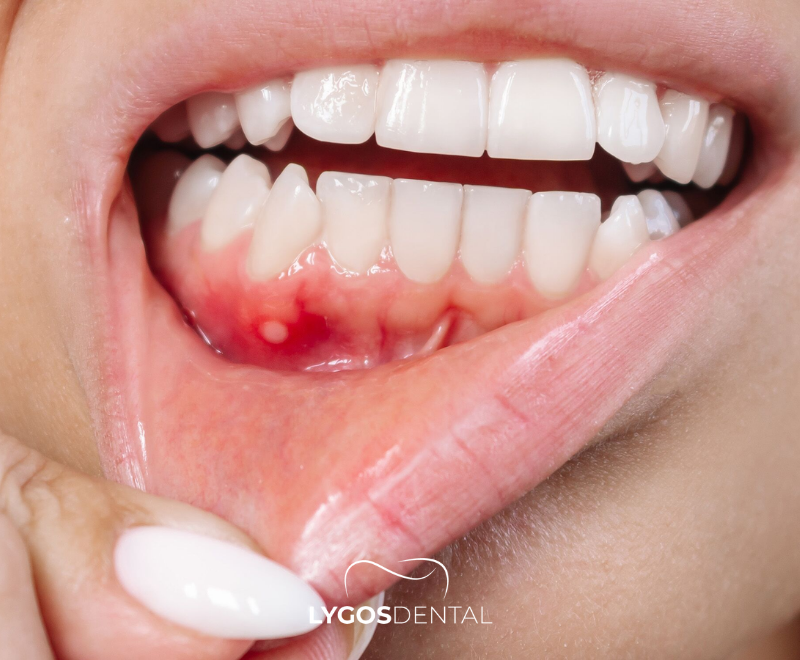
No single factor causes gum cancer, yet certain exposures and health conditions raise risk. The strongest, well‑established risks for oral cancers include tobacco and heavy alcohol use.

Diagnosis starts with a dental or medical exam of the mouth, gums, tongue, and neck. If a suspicious area is found, a biopsy is done to confirm whether cancer cells are present. Imaging tests such as CT, MRI, or PET scans may be used to understand the size of the tumor and whether it has spread.
Treatment depends on the tumor’s size, location, and stage, along with your overall health. A head and neck cancer team often includes an oral surgeon, ENT surgeon, oncologist, and radiation specialist.
Ask your care team how treatment may affect chewing, speech, and appearance, and whether dental work is needed before radiation.

You can’t prevent every case, but you can lower risk and improve early detection.
After treatment, follow-up visits help monitor healing and check for recurrence. Your dentist and oncology team may recommend more frequent cleanings, saliva management, nutrition support, and exercises for jaw function. Report new sores, swelling, bleeding, or unexplained pain promptly rather than waiting for the next appointment.
Nonhealing sore, persistent red/white patch, lump, bleeding, pain, loose teeth, numbness.
Yes, early gum cancers are often curable with surgery, sometimes radiotherapy/chemotherapy.
It may appear as an ulcer, red/white patch, swelling, or wartlike growth.
Avoid tobacco, limit alcohol, keep good oral hygiene, get regular dental checkups.
Nonhealing ulcer, red/white patch, lump, persistent mouth pain, difficulty swallowing, numbness, persistent hoarseness.
Use three fingers to palpate mouth and neck for lumps, hardness, asymmetry.

How to Brush Your Teeth Properly Brush twice a day for two minutes using a soft-bristled…
 Blog
Blog
Gingivitis: Symptoms, Causes, and Solutions Gingivitis is an early, reversible form of gum disease caused by…
One of the most common questions parents ask during their child’s developmental years is: “When do…