
Mar 1, 2025
Victoria Beckham Dental Aesthetic
Victoria Beckham, a global fashion icon, businesswoman, and former member of the Spice Girls, is known…
Preventive dentistry focuses on stopping dental problems before they start. It combines regular exams, professional cleanings, fluoride and sealants when needed, plus daily brushing, flossing, and smart diet habits. The goal is to reduce cavities and gum disease, catch issues early, and protect overall health while keeping treatment simpler and less costly.
Preventive dentistry focuses on keeping teeth and gums healthy by reducing the chance of problems such as cavities, gum disease, and enamel wear. It blends professional care with daily routines at home. The aim is simple: protect your mouth now and avoid complex treatment later.
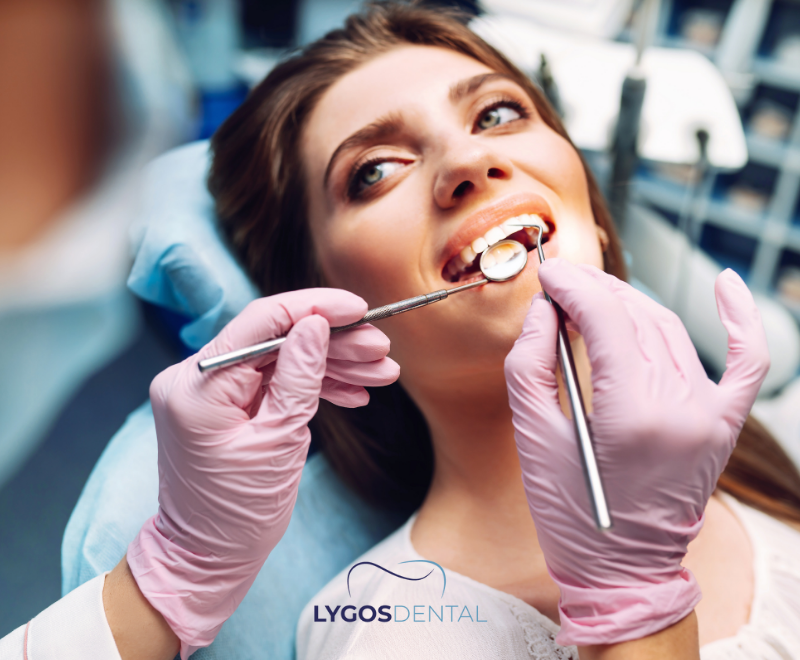
Many dental issues start quietly, then become painful or expensive once they progress. Regular prevention helps spot early warning signs and deal with them while treatment is still straightforward. Oral health also connects with overall wellbeing, and research has found links between gum inflammation and systemic conditions, so keeping gums healthy is part of looking after the whole body.
A dentist tailors preventive care to your age, risk level, and medical history. These are the most common services:
For many people, a check-up every six months works well, though some may need visits more or less often depending on their risk and the dentist’s advice.

Home care is where prevention really happens. Small routines done consistently make the biggest difference.
Adult preventive care often focuses on gum health, existing restorations, and lifestyle factors. Many adults also deal with dry mouth from medications, which increases cavity risk. If you have crowns, bridges, implants, or dentures, cleaning routines and regular reviews help protect the investment and prevent inflammation around these areas.

Starting early builds habits that last. Children benefit from age-appropriate brushing instruction, diet guidance, fluoride where indicated, and sealants on the back teeth once they erupt. Parents play a key role by supervising brushing until a child has the dexterity to do it well on their own.
Preventive dentistry suits everyone, yet some people may need closer follow-up or more frequent cleanings:
Preventive dentistry is care that prevents disease, including cleanings, exams, fluoride, sealants.
Preventative dental means preventive dental care—services that stop cavities and gum disease.
General dental covers all routine care; preventative dental focuses specifically on preventing disease.
Primary prevents disease onset; secondary detects early; tertiary limits damage and restores function.
Often no: sealants or remineralization are preferred unless decay already requires a filling.
Preventive dentistry avoids disease; restorative dentistry repairs existing damage with fillings, crowns, or implants.
